Southern Africa is grappling with a severe humanitarian crisis as unprecedented floods, driven by extreme weather, have claimed over 100 lives and displaced hundreds of thousands since the year began. The disaster has swept across Mozambique, South Africa, and Zimbabwe, leaving a trail of destruction and raising alarming new threats, including fears of cholera outbreaks and dangerous encounters with crocodiles.
Rising Death Tolls and Unforeseen Dangers
The human toll is grim: Zimbabwe accounts for over 70 fatalities, while South Africa reports more than 30. Mozambique has confirmed 13 deaths, a figure expected to climb as floodwaters persist. Among these, three individuals in southern Mozambique were tragically killed by crocodiles, underscoring a terrifying new dimension to the catastrophe.
As the Limpopo River and other waterways burst their banks, crocodiles have been carried into new, populated areas. Henriques Bongece, secretary of Mozambique’s Maputo province, warned residents to avoid stagnant waters, emphasizing that these predatory reptiles have been washed in from South Africa. Local media reported specific incidents, including one crocodile-related death in Moamba, Maputo, and two in the neighboring Gaza province.
Mass Displacement and Dire Humanitarian Conditions
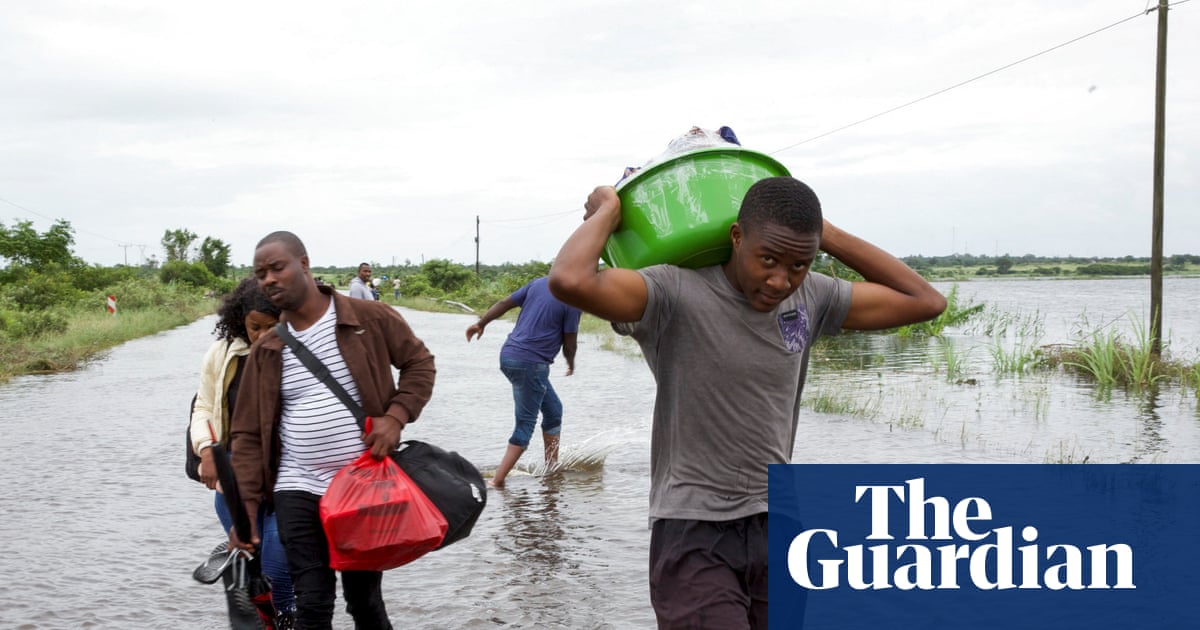
The scale of displacement is staggering, with almost 400,000 people uprooted from their homes. Many were rescued by helicopter from rooftops and trees, a testament to the rapid and overwhelming nature of the deluge. With waters still flowing from South Africa, vast swathes of land remain submerged, rendering critical infrastructure, like Mozambique’s N1 highway, impassable.
The humanitarian situation in temporary camps, housing nearly 100,000 people, is critical. Gaspar Sitefane, director of WaterAid Mozambique, voiced urgent concerns about public health, noting that most camps lack basic sanitation and waste disposal. "For sure, soon we will have cases of cholera," Sitefane stated, highlighting the imminent risk of water-borne diseases.
Economic Impact and Climate Crisis Link
Beyond the immediate health threats, the region faces a deepening food security crisis. Mozambique's disaster agency reports approximately 60,000 hectares of farmland inundated and over 58,000 livestock perished, severely impacting agricultural livelihoods.
This latest disaster highlights a disturbing trend of increasingly extreme weather patterns in Southern Africa, ranging from record droughts to devastating cyclones and torrential rainfall, all exacerbated by the escalating climate crisis.
Challenges in Funding and Recovery Efforts
Efforts to respond are hampered by dwindling international aid. Sitefane noted a decrease in both the speed and volume of funding compared to previous emergencies, attributing it to many developed countries redirecting aid budgets. Meanwhile, South Africa's government is seeking national and international donations for the recovery of the iconic Kruger National Park, where flood damages to infrastructure like bridges and roads could cost an estimated 700 million rand (£32 million).
The region faces a protracted recovery, requiring substantial support to rebuild and mitigate future climate-related impacts.