
China's Military Purge and Its Impact on Borders
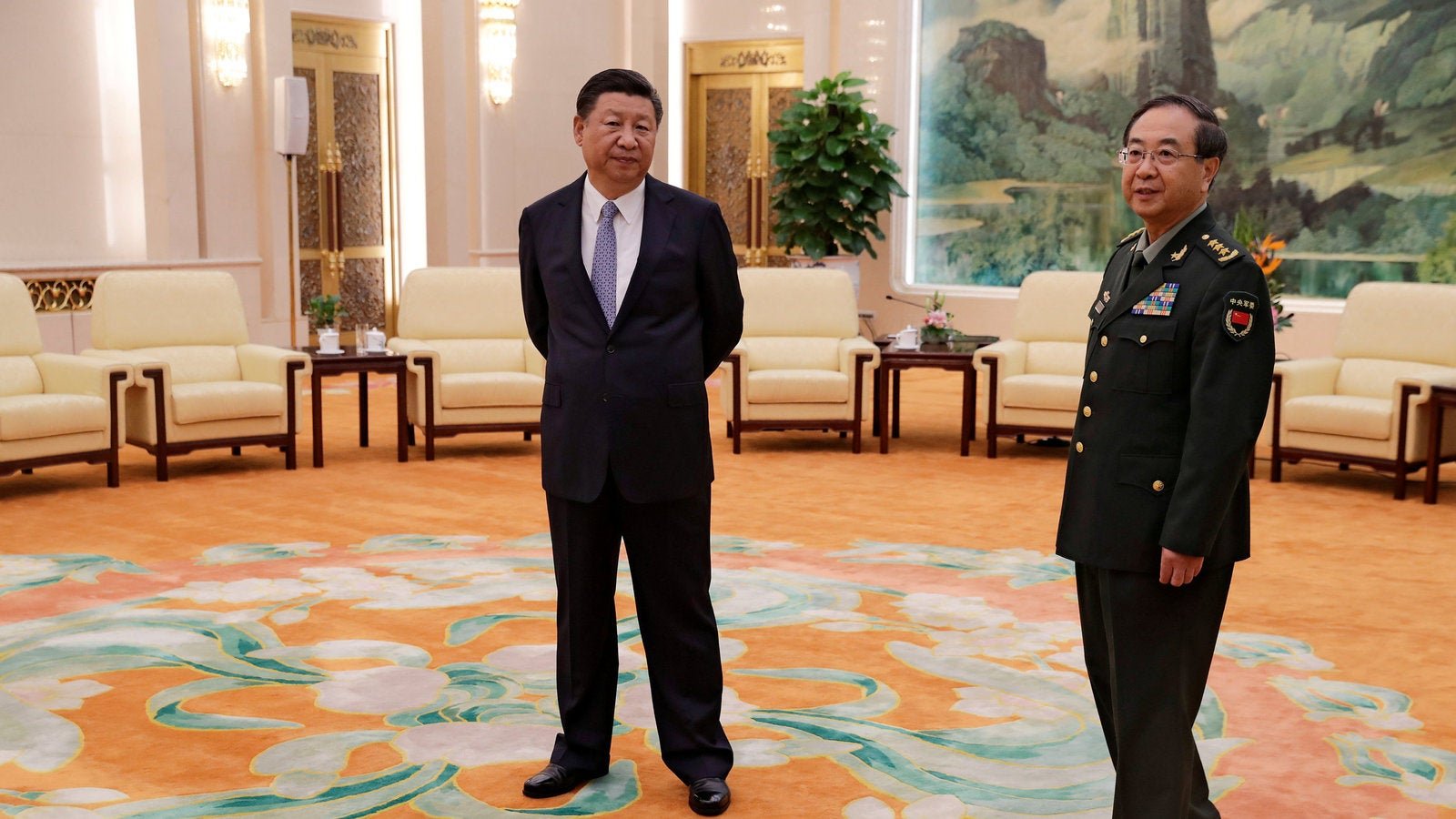
The recent military purge in China has raised questions about its implications for the country's border regions and national security. Under President Xi Jinping, the Chinese military has undergone significant reshuffling, with several high-ranking officials being removed from their positions.
This move has sparked discussions among analysts and international observers about whether these changes are part of a broader strategy to strengthen central control over military operations or if it signals deeper issues within the armed forces. The exact reasons for the purge remain unclear, but some speculate that it is related to concerns over corruption and inefficiency in certain command structures.
The impact on China's borders has also been a topic of debate. With active-duty military personnel being reassigned or retired, there are questions about whether this will lead to weaker defenses along key border regions. However, it is important to note that the Chinese military is vast and well-equipped, with significant capabilities even in remote areas. Nonetheless, any leadership changes can affect operational readiness and decision-making processes.
International observers also wonder how these developments will influence China's foreign policy and its interactions with neighboring countries. The changes in military leadership could potentially alter the country's approach to border disputes and regional stability. For now, it remains unclear whether this is a temporary adjustment or a signal of more substantial long-term reforms.
Ultimately, the military purge in China highlights the complexities of national security and the challenges of maintaining stability in a large and complex country. The outcomes of these changes will be closely watched by both domestic and international audiences.