Philippines EV race lags as Southeast Asia accelerates
Feb 1, 2026
 Philippines
Economics
Philippines
Economics
Philippines
Economics
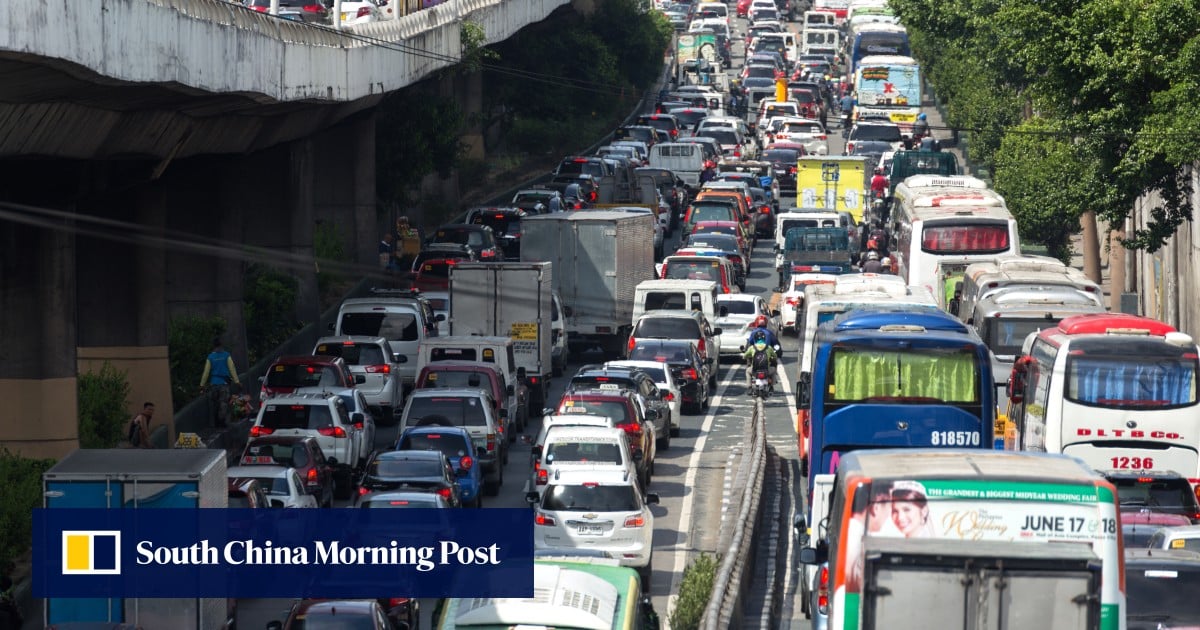
The Philippines may be lagging behind Southeast Asia in electric vehicle production due to policy uncertainty and lack of support for key incentive schemes.
The Philippines EV Race Lags as Southeast Asia Accelerates
As Southeast Asia gears up for electric vehicle manufacturing, the Philippines risks falling behind due to policy uncertainty and lack of support for key automotive incentive schemes. President Ferdinand Marcos Jr.'s veto of 92.5 billion pesos in appropriations, including funds for CARS and RACE programs, has raised concerns among industry leaders.
These programs aim to boost local vehicle production through requirements like producing at least 200,000 units over six years for CARS or 100,000 units for RACE. However, without the allocated funding, these goals may not be achievable. This lack of support could hinder the Philippines' economic growth and job creation in the automotive sector.
Industry groups warn that this uncertainty is unsettling investors who have based their regional plans on local production incentives. As Southeast Asian nations quickly establish EV manufacturing bases, the Philippines may find itself falling behind in the race to develop this crucial industry.
By news
6 months ago
No cameras found for this country.