Political Turmoil Rocks Korea's Major Parties Ahead of Local Elections
Feb 3, 2026
 South Korea
Politics
South Korea
Politics
South Korea
Politics
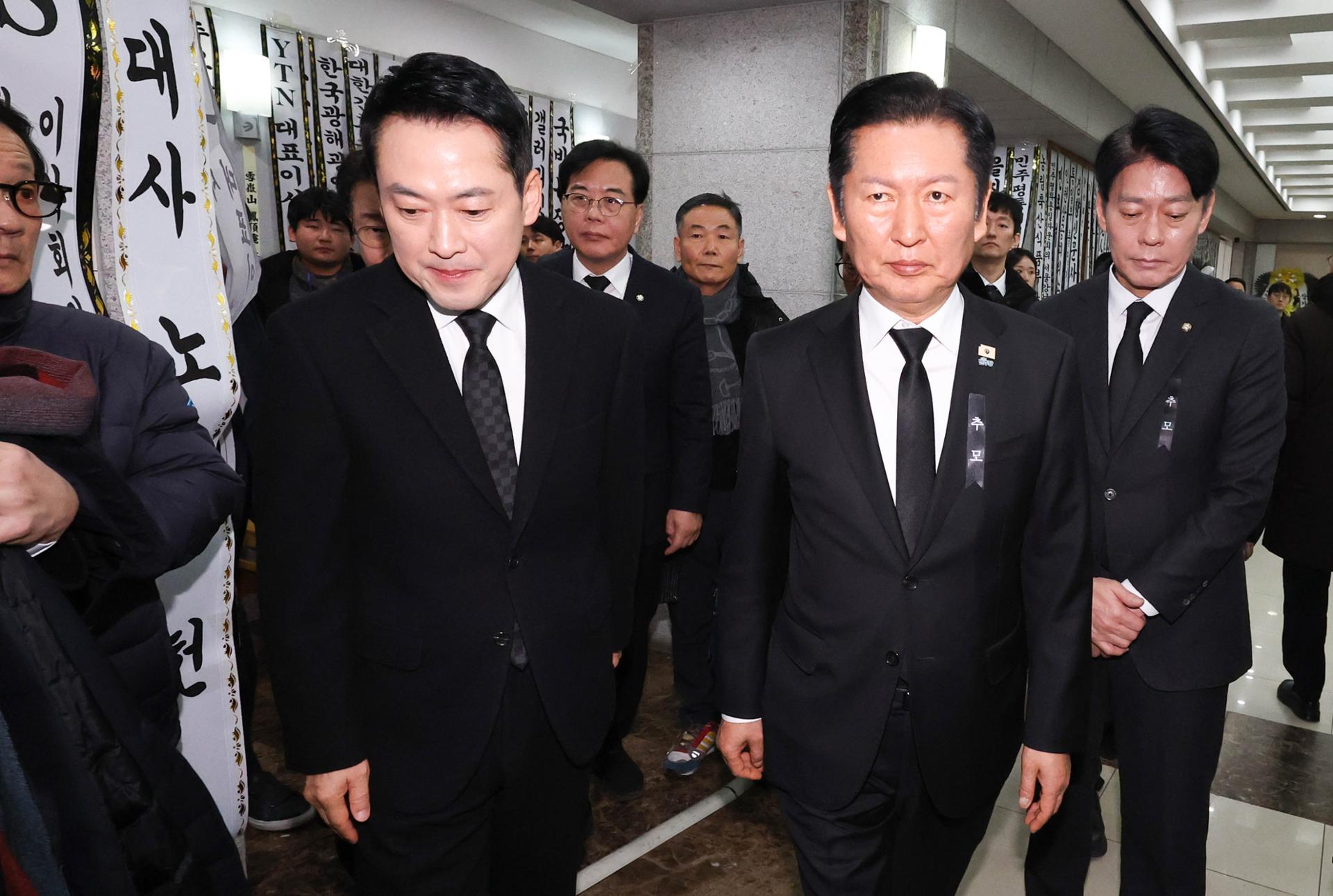
South Korea's main political parties, DPK and PPP, are grappling with internal leadership conflicts as key decisions stir opposition ahead of local elections. C
Political Turmoil Rocks Korea's Major Parties
Internal disputes within South Korea's major political parties, the Democratic Party of Korea (DPK) and the People Power Party (PPP), have sparked significant concern as leadership conflicts escalate ahead of crucial local elections later this year.
The Democratic Party of Korea's Crisis
The DPK’s leader, Jung Cheong-rae, has faced criticism for proposing a merger with another party without proper internal discussion, leading to resistance from senior members. During a Supreme Council meeting, senior member Lee Un-ju confronted Jung, arguing that the proposal reflected 'the ambitions of second-and third-ranking figures rather than the will of the party.'
The People Power Party's Challenges
Meanwhile, the PPP is dealing with its own crisis after expelling a former leader amid allegations of manipulative behavior on party forums. Party leader Jang Dong-hyeok defended the decision but faced internal opposition, with some calling for his resignation or a confidence vote.
Both parties are struggling to maintain cohesion and focus on their election preparations amidst these disputes. The conflicts have become an electoral burden, particularly in Seoul's metropolitan area, where anxiety among candidates and local leaders is rising.
By news
6 months ago
No cameras found for this country.