US-Funded Vaccine Trial in Guinea-Bissau Sparks Outrage
Feb 7, 2026
 Guinea
Health
Guinea
Health
Guinea
Health
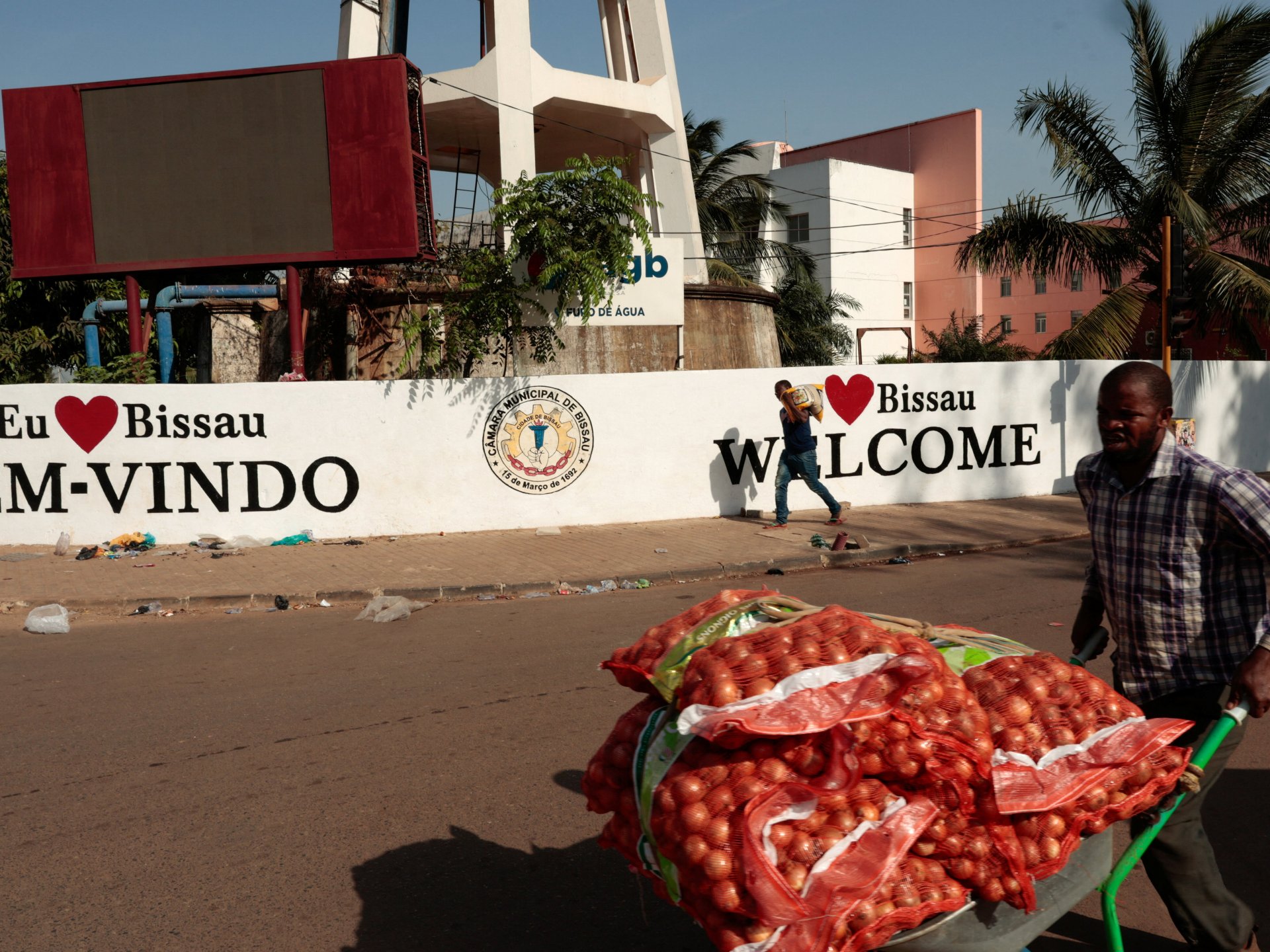
US-funded researchers planned a hepatitis B vaccine trial on newborns in Guinea-Bissau but faced public backlash and suspension of the study due to ethical conc
US-Funded Vaccine Trial in Guinea-Bissau Sparks Outrage
Danish researchers were set to begin a controversial United States-funded vaccine trial on newborns in Guinea-Bissau but the plan was derailed by public outrage. The study aimed to compare the effects of administering hepatitis B vaccines at two separate times for 14,000 babies.
The trial, which would have been conducted by Bandim Health Project researchers, faced ethical scrutiny and eventual suspension by the government after critics argued that withholding vaccines at a critical time was unethical. Magda Robalo, a former health minister, expressed disappointment over the approval of the study without proper oversight from key institutions.
Guinea-Bissau has one of the highest hepatitis B infection rates in the world, with about one in five people infected. The trial's timing and ethical implications have sparked debate among health experts and international organizations.
The researchers defend their approach, stating it is timely and necessary to study vaccine administration at different intervals. However, critics like Anders Peter Hviid of the Danish State Serum Institute question the ethics of conducting such trials on African children with potential long-term effects unknown.
By news
4 months ago
No cameras found for this country.