Venezuelans Demand Freedoms Post-Maduro U.S. Capture
Feb 8, 2026
 Venezuela
Politics
Venezuela
Politics
Venezuela
Politics
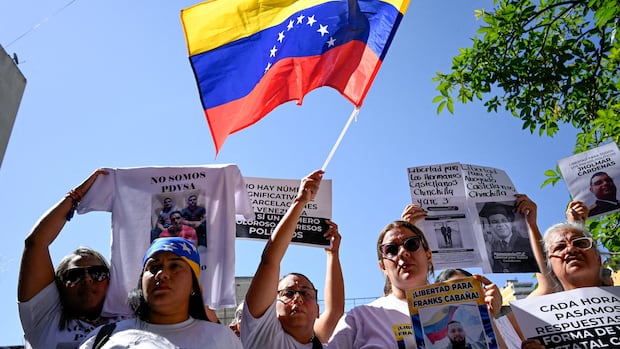
Venezuelans test freedoms and challenge authorities after Nicolas Maduro's capture by the U.S., with concerns about repression returning. Acting president Delcy
Venezuelans Demand Freedoms Post-Maduro U.S. Capture
Just over one month after the United States captured then-President Nicolas Maduro, some Venezuelans opposed to the government have become increasingly bold in challenging the new authorities. Acting president touts 'new political moment' — but many worry repression will return.
Student Leader Confronts Acting President
Venezuelan student leader Miguelangel Suarez confronted acting President Delcy Rodriguez, demanding the release of '200 young political prisoners'. The confrontation drew international attention and briefly detained Suarez.
New Laws and Released Prisoners
Lawmakers approved an amnesty law that could grant pardons to hundreds considered political prisoners by human rights groups. Around 350 political prisoners have been released since Maduro's capture, with 680 still jailed.
Teacher Resumes Open Discussions
A history teacher started speaking openly about politics again, comparing the current moment to Venezuela's fall of a dictator in 1935. He noted a change in freedom and discussed the U.S. operation in his classes.
Opposition Activists Test Boundaries
Opposition activists like Marysabel Centeno have been vocal in demanding political reforms, despite potential risks. Some have emerged from hiding to advocate for their causes publicly.
The government has shown signs of repression, like a state of emergency decree after Maduro's capture. Acting President Rodriguez emphasizes a 'new political moment,' but few concrete reforms have been enacted. Venezuelans wonder if the country is entering a genuine political opening or just a temporary pause in repression.
By news
4 months ago
No cameras found for this country.