Cubans question potential U.S.-Cuba talks as Venezuela transition looms
Feb 9, 2026
 Cuba
politics
Cuba
politics
Cuba
politics
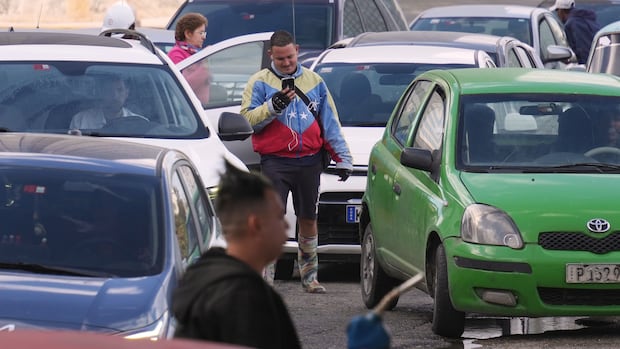
Cubans are unsure if their island will follow Venezuela's path as talks between the U.S. and Cuban leaders explore potential political changes.
Secret Talks Between U.S. and Cuba Stir Speculation
Cubans are closely following reports of secret discussions between Cuban leaders and the CIA, fueled by the transition in Venezuela and the island's worsening energy crisis. President Miguel Díaz-Canel has indicated openness to dialogue but hasn't confirmed whether it includes ending one-party rule. The U.S. has imposed sanctions on oil suppliers to Cuba, exacerbating the country's struggles with power shortages and blackouts.
The Context of Venezuela's Political Shifts
Venezuela's recent turmoil, including the U.S.-backed ousting of Nicolas Maduro, has led to a provisional government in Caracas. This shift has raised questions about whether Cuba might follow a similar path toward political reform and multi-party democracy.
Cuba's Energy Challenges
Cuba's energy infrastructure is deteriorating, with only 30% of its oil needs met by local production. The U.S. sanctions on Venezuelan oil exports have left Cuba reliant on dwindling resources, leading to prolonged blackouts and economic hardship for citizens.
The Role of Alejandro Castro Espín
Alejandro Castro Espín, the son of Raul Castro, is reportedly involved in these secret talks. His influence within the Cuban Communist Party suggests that economic interests and power dynamics play a significant role in any potential negotiations.
Implications for Cuba's Future
The discussions could pave the way for political changes, but many Cubans remain skeptical. The country is at a crossroads, with its leaders balancing survival against potential reforms that could alter its political landscape.
By news
4 months ago
No cameras found for this country.