Trump's Bet on Pakistan's Minerals Hits Security Snag
Feb 9, 2026
 Pakistan
World News, International Relations, Geopolitics, Security
Pakistan
World News, International Relations, Geopolitics, Security
Pakistan
World News, International Relations, Geopolitics, Security
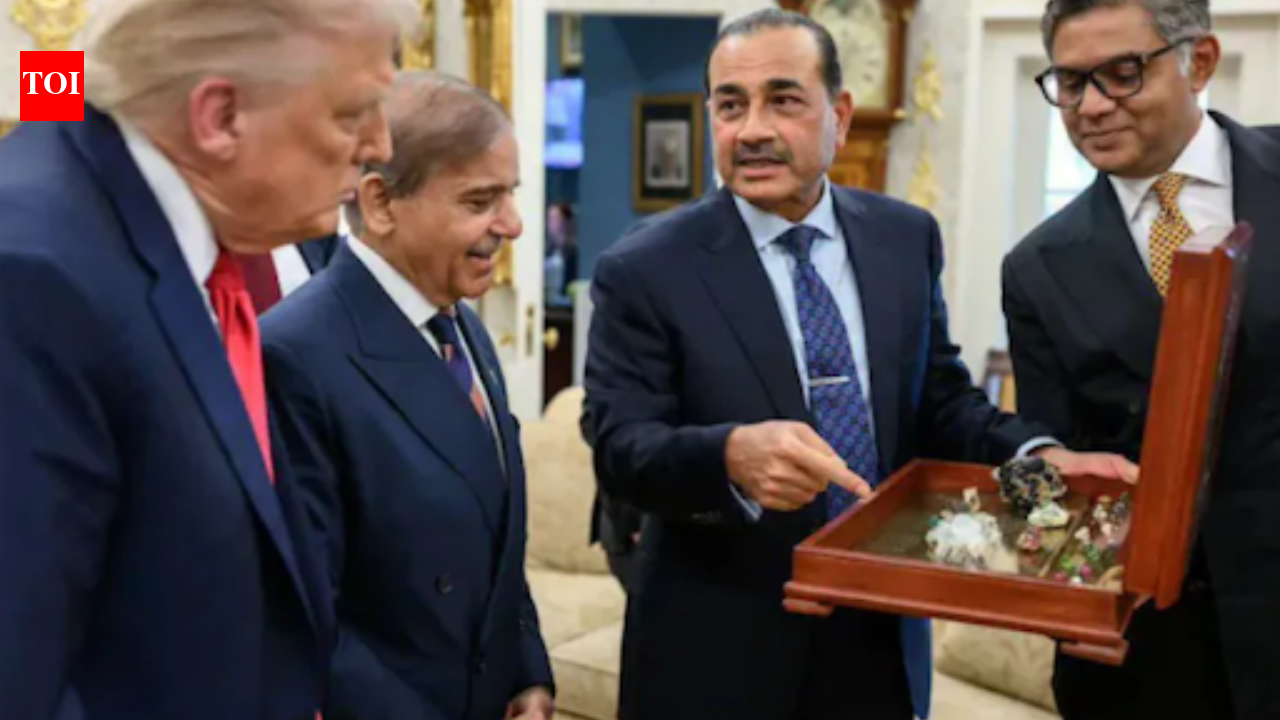
A suicide bombing at a Shia mosque in Islamabad underscores Pakistan's failing security efforts and challenges in exploiting critical minerals for US strategic
Trump's Bet on Pakistan's Minerals Hits Security Snag
The recent suicide bombing at a Shia mosque in Islamabad has thrown Pakistan's capital into chaos, exposing the limits of its security capabilities. Field Marshal Asim Munir's offer to the US of access to untapped mineral resources, including copper and rare earths, aims to counter China's dominance but faces growing threats from militants.
Militants are increasingly equipped with US-made weapons left behind after the chaotic withdrawal from Afghanistan, making the security situation in urban areas like Islamabad and rural regions such as Balochistan increasingly unstable. The attack on the mosque, claimed by ISIS, is a stark reminder of Pakistan's vulnerability despite its military partnerships and mineral wealth.
Reko Diq, one of the world's largest undeveloped copper deposits, lies in Balochistan, but the region's insurgency has become more severe. US-made rifles and night-vision devices are being used by insurgents, complicating Pakistan's efforts to secure these vital resources. The stakes are high as global demand for copper and rare earths is expected to surge, making these minerals critical to US strategic interests.
Despite the risks, Pakistan's mineral diplomacy with the US offers a potential lifeline for its struggling economy. However, the security challenges on the ground threaten to undermine this opportunity, leaving Munir's vision for US-Pakistan collaboration in minerals hanging in the balance.
By news
4 months ago
No cameras found for this country.