Sustainable Fashion: European Project Aims to Transform Textile Industry
Feb 17, 2026
 New Zealand
Environment Science
New Zealand
Environment Science
New Zealand
Environment Science
A European research project aimed at transforming the textile industry through sustainable practices and innovation in smart clothing and waste management.
Sustainable Fashion: European Project Aims to Transform Textile Industry
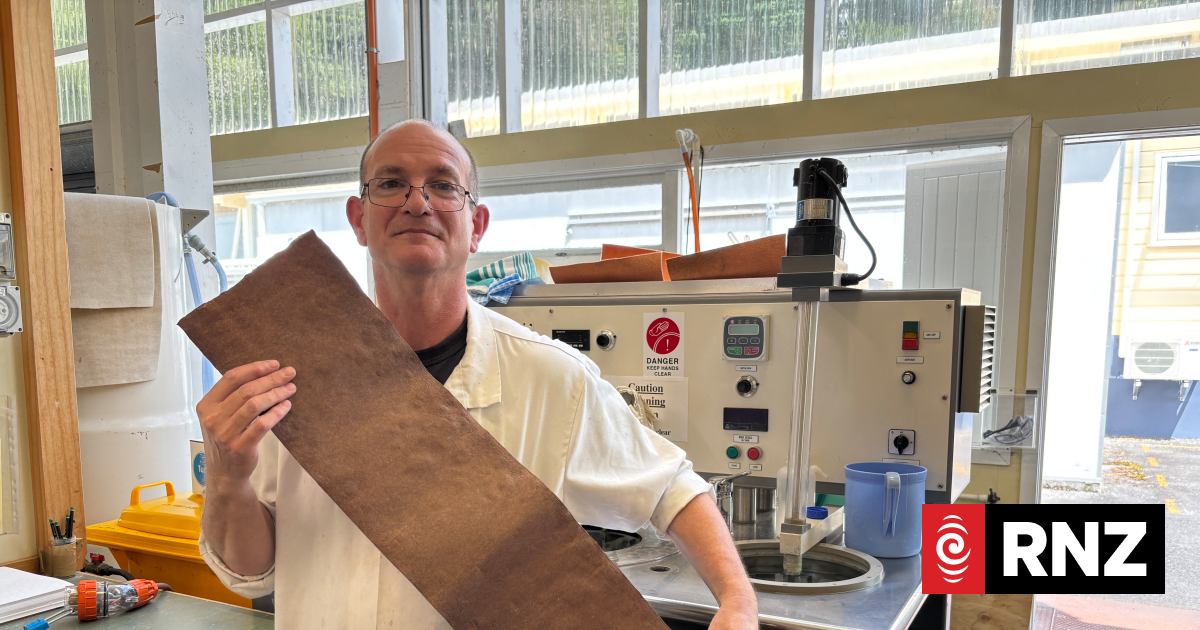
Senior technician Sean Taylor demonstrates a new method for integrating sensors into smart clothing. Over the past three decades, the rise of fast fashion and the widespread use of plastics in textiles have led to significant environmental challenges.
Globally, 92 million tonnes of textile waste are produced each year, with an estimated half a tonne being sent to landfills in New Zealand every five minutes. The fashion industry contributes substantially to carbon emissions, and each wash of petroleum-based textiles releases microplastic pollution into waterways.
Enter the European UPWEARS project, a four-year initiative aimed at addressing these issues through science and innovation. Dr Yi Chen leads the New Zealand component of this €7 million research project involving 14 partners from seven countries, including New Zealand's Bioeconomy Science Institute.
The project aims to replace plastic-based yarns with natural, biodegradable alternatives, develop energy-efficient textile processing technologies, and design smart sensing 'e-textiles.' It also explores ways to recycle existing textile waste.
Collaborating with European partners provides access to state-of-the-art research facilities and expertise in biomaterial development. The Rotorua-based team leverages local biodegradation facilities and expertise in paper-making to innovate with natural fibres and lignin derivatives for conductive yarns.
Louise Le Gall works on recycling textile waste into 3D printing filament, aiming to create sustainable padding for sportswear. The project kicked off in November 2024 with a meeting in France and will next convene in Rotorua in 2027, targeting the development of a prototype smart cycling suit.
This clothing integrates sensors capable of monitoring health metrics and environmental conditions, using natural fibres that can be reused or biodegrade. The collaboration aligns with international research funding initiatives and sustainability goals.
By news
4 months ago
No cameras found for this country.