Japan's PM pushes to scrap food tax despite economists' warnings
Feb 20, 2026
 Japan
Politics
Japan
Politics
Japan
Politics
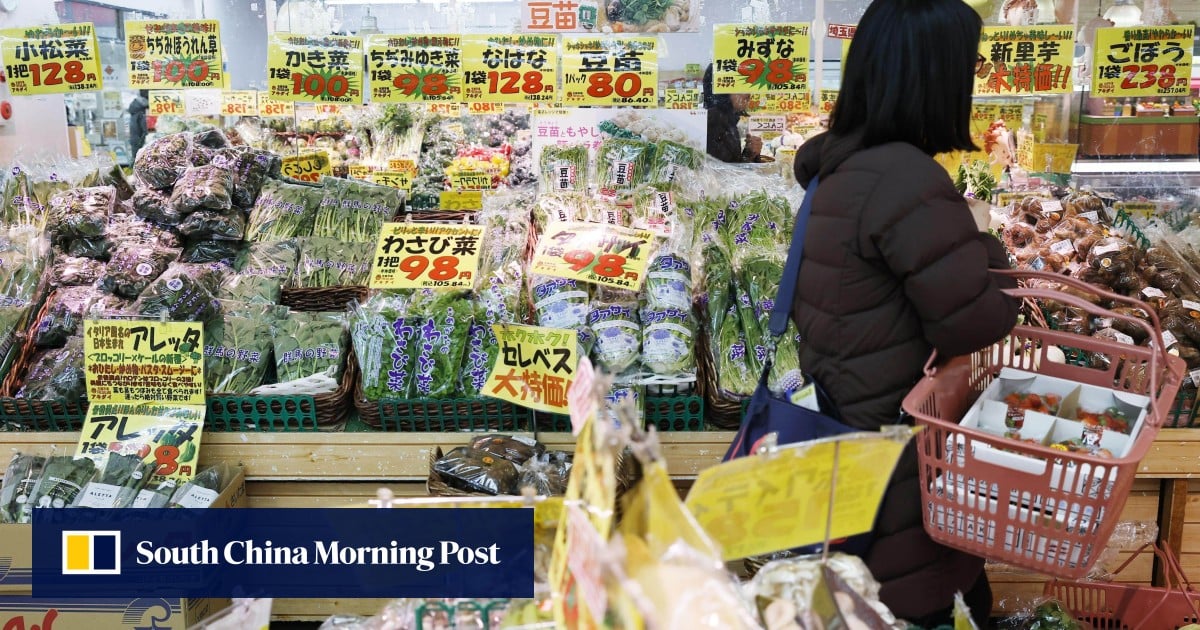
Japan's PM plans to eliminate food tax despite warnings from economists, aiming to ease household budgets but risking significant revenue losses.
Japan's PM Pushes to Scrap Food Tax
TOKYO — Japan's Prime Minister, Sanae Takaichi, has made a bold move by announcing plans to scrap the 8% food consumption tax. This decision, despite warnings from economists and critics, aims to alleviate the financial strain on households amid rising prices.
While the move is popular among voters, it raises concerns about potential revenue losses for the government. Experts fear that removing the tax could lead to significant budget shortfalls and negatively impact public services.
The Prime Minister emphasized that this step is part of her campaign promise and was reappointed following a recent election victory. She also announced plans to form a cross-party council to examine the issue further, with findings expected by late autumn.
Public reaction has been mixed, with supporters applauding the move as a relief for everyday citizens, while opponents argue that it could have long-term economic consequences. The government will closely monitor developments as the debate over the food tax continues.
By news
4 months ago