Iran's Supreme Leader Succession Process: Key Contenders and Implications
Mar 2, 2026
 Iran
Politics
Iran
Politics
Iran
Politics
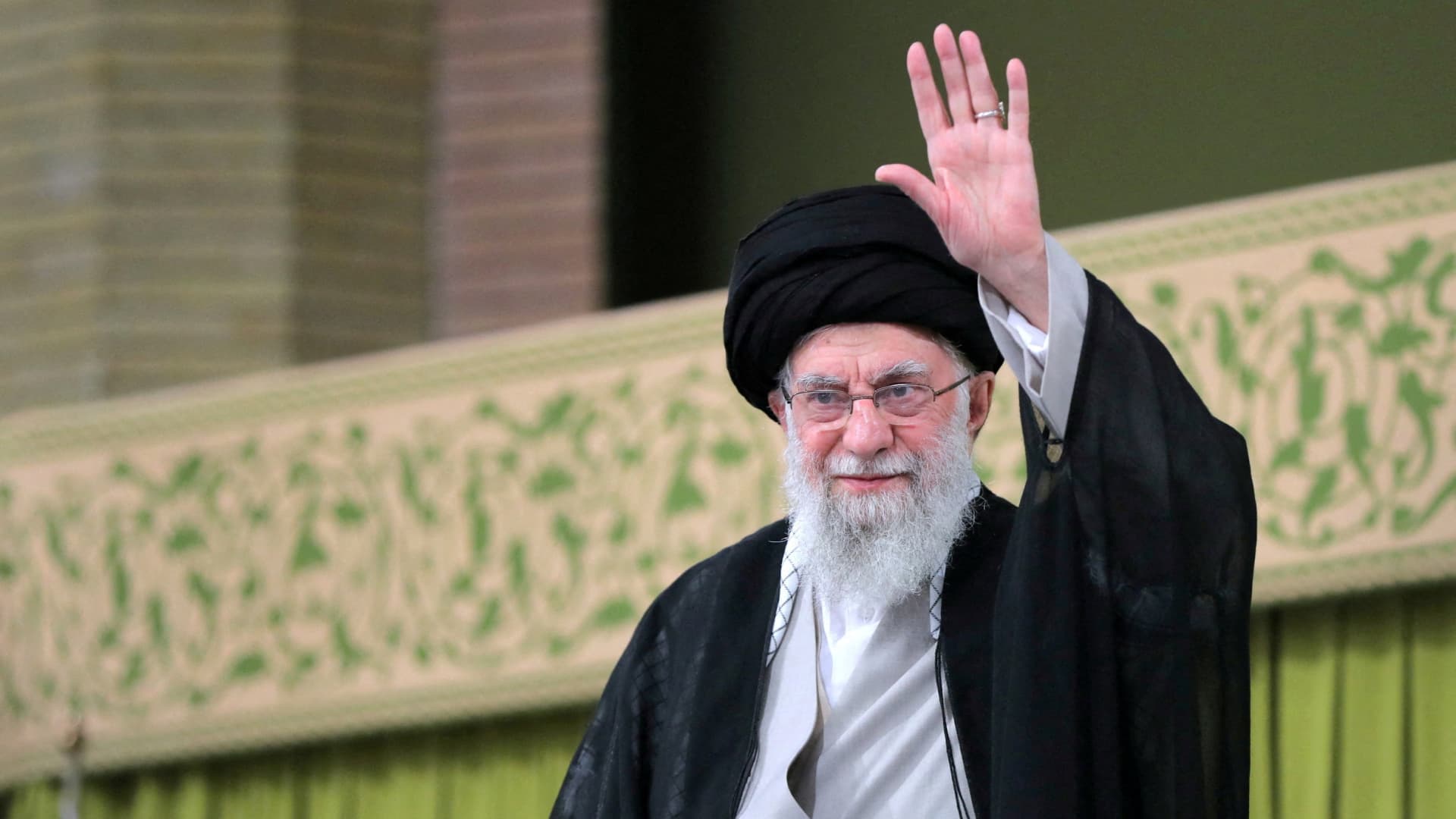
Explore Iran's Supreme Leader succession process, including key contenders and potential implications for the country's leadership and international relations.
Iran's Supreme Leader Succession Process
The process of selecting Iran's Supreme Leader is a complex and highly structured one. According to the country's constitution, the Supreme Leader is appointed by the Assembly of Experts, an 88-member clerical body elected every eight years. Candidates for this assembly are first vetted by the Guardian Council, ensuring only qualified individuals can run.
When the Supreme Leader's position becomes vacant, a temporary leadership council takes over until a successor is chosen. This decision requires just a simple majority vote from the Assembly. The process is expected to be completed in the shortest possible time, though it may involve significant political bargaining and discussions among elite figures.
Currently, there are several prominent contenders for the position, including Gholam-Hossein Mohseni-Ejei, the current Chief Justice of Iran, Hassan Khomeini, the grandson of the late revolutionary leader Ayatollah Ruhollah Khomeini, and Alireza Arafi, a senior cleric with significant influence in Iran's religious and political hierarchy.
The succession process could have major implications for Iran's domestic policies and international relations. A hardline successor may continue the country's confrontational stance and security-first policies, while a more moderate figure might seek limited reforms aimed at easing domestic restrictions and improving foreign relations to counter sanctions.
By news
4 months ago
No cameras found for this country.