Why UAE Closed Its Stock Exchanges Amid Regional Conflict
Mar 2, 2026
 United Arab Emirates
Politics
United Arab Emirates
Politics
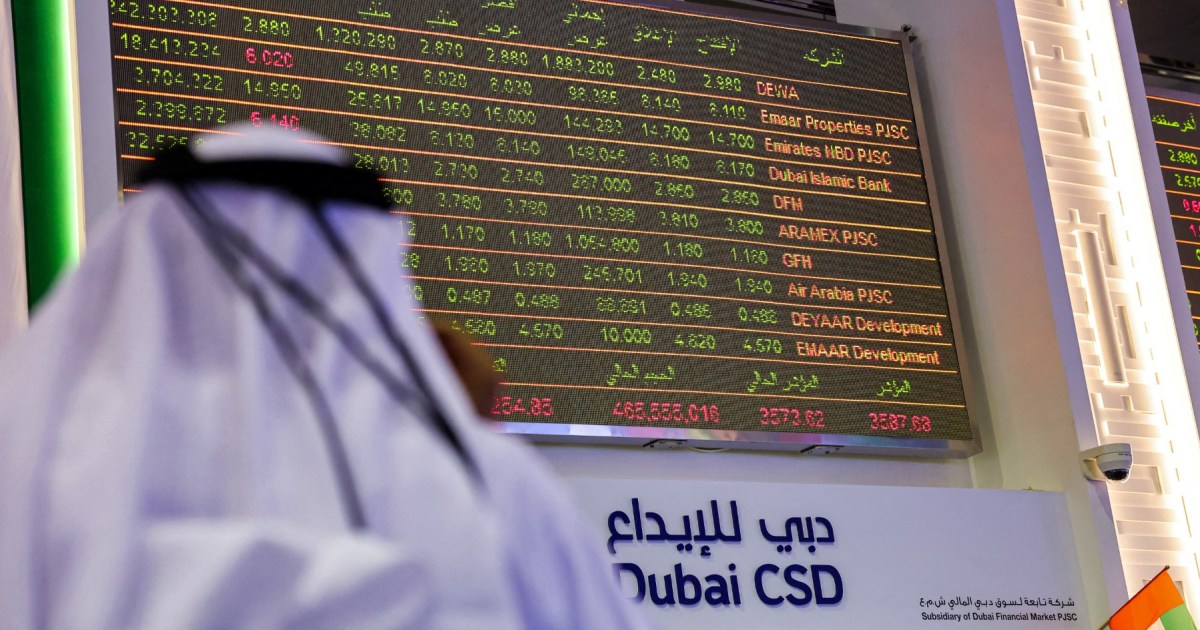
UAE closes its stock exchanges amid US-Israeli attacks on Iran, affecting regional markets and investor confidence.
The UAE Shut Its Stock Exchanges Amid Regional Tensions
Recent developments in the Middle East have led to a significant decision by the United Arab Emirates to temporarily close its main stock exchanges. This move follows U.S.-Israeli military actions against Iran, which have caused widespread instability in the region.
The closures, affecting both Dubai and Abu Dhabi's financial markets, are meant to address concerns about market stability and prevent investor panic. While such measures are rare, they are not unprecedented during times of crisis. Experts warn that by halting trading, authorities aim to control volatility but may also exacerbate uncertainty among investors.
Historically, similar closures have occurred during periods of national mourning or significant turmoil. The UAE's decision follows reports of missile and drone attacks targeting the country, leading to direct impacts on its financial infrastructure.
Economists emphasize that while the closure may limit liquidity access for investors, it is presented as a precautionary step to safeguard the economy from potential fallout. However, critics argue that this approach could harm Dubai's status as a major financial hub and undermine investor confidence in the region's markets.
Understanding the broader context is crucial. The UAE has taken such actions before, notably during periods of national mourning following the deaths of key figures in its leadership. This time, however, the decision is prompted by external conflicts rather than internal events.
Overall, the closure reflects the interconnected nature of global financial systems and the challenges of maintaining market stability amid escalating regional tensions.
By news
7 months ago