Iran Retaliatory Strikes Escalate Amid US-Israel Actions
Mar 4, 2026
 Iran
International Relations
Iran
International Relations
Iran
International Relations
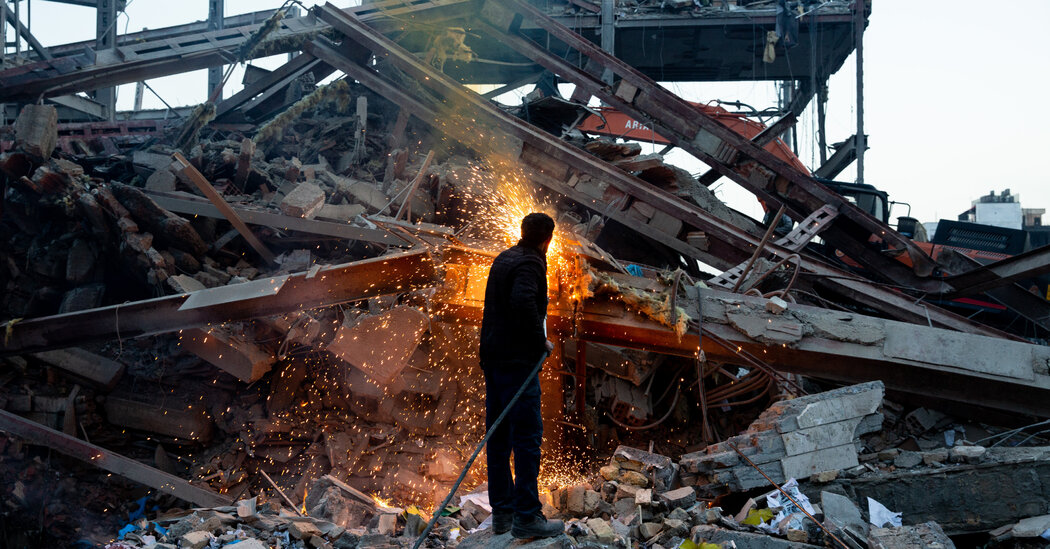
Iran escalates retaliatory strikes against US targets in the Gulf region as tensions rise with Israel and the US following airstrikes. The conflict expands to L
Escalation in the Middle East
The conflict between Iran and its regional adversaries has intensified, with retaliatory strikes targeting multiple countries in the Gulf region. While the United States and Israel have launched airstrikes on Iranian targets, Iran has responded with missile and drone attacks, causing significant disruption to international shipping and energy markets.
Economic Impact
Oil and natural gas markets are under severe strain due to the shutdown of key shipping routes and damage to production facilities. Qatar has halted liquefied natural gas production, impacting global supply. This has led to volatility in global markets and concerns about future energy security.
Humanitarian Crisis
Multiple countries are facing casualties as a result of the conflict. In Israel, at least 10 people have been killed since Saturday, while Iran reports over 550 deaths since the beginning of the war. The United Arab Emirates and other Gulf nations have also reported casualties, including civilians.
Military Developments
Recent developments include Qatari airstrikes targeting Iranian Su-24 bombers, marking an escalation in regional tensions. The U.S. military has suffered losses, with three F-15 jets shot down by Kuwaiti air defenses, though all crew members were recovered safely.
Geopolitical Tensions
Iranian leaders have repeatedly stated their readiness for a prolonged conflict. The country’s top security official has denied any interest in negotiations with Washington, instead emphasizing its preparation for a long war. This stance has further heightened regional instability and international concern.
By news
7 months ago
No cameras found for this country.