Middle East Turmoil Threatens Hyundai Motor, KGM
Mar 4, 2026
 South Korea
Business
South Korea
Business
South Korea
Business
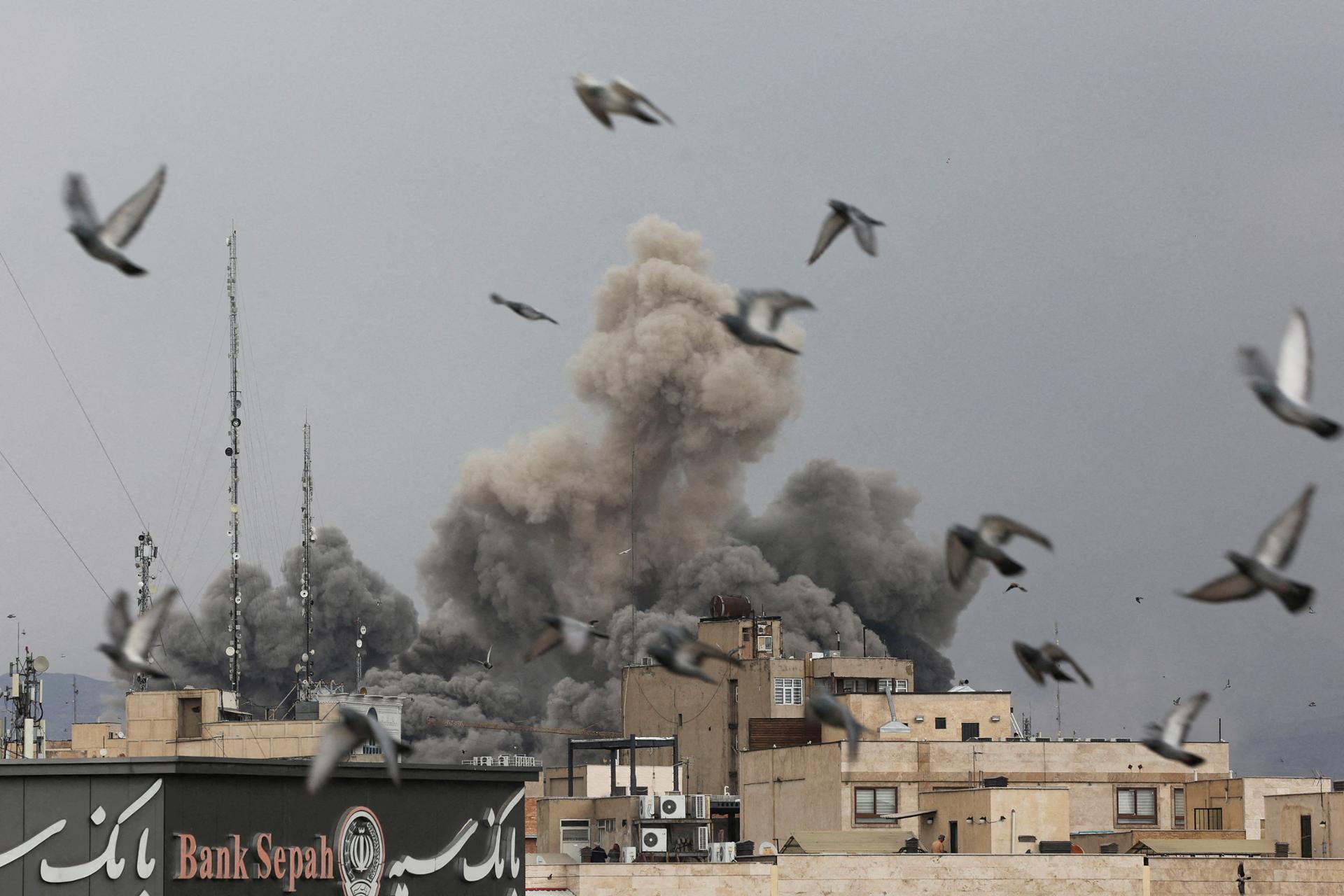
Stocks of Hyundai Motor, Kia, and KGM fall amid Middle East turmoil, threatening their profitability and export operations as geopolitical tensions rise.
Impact of Middle East Turmoil on Hyundai Motor and KGM
The recent geopolitical tensions in the Middle East have significantly impacted the stock prices and operational capabilities of major South Korean carmakers, including Hyundai Motor Group (HMG) and Kia Motors Group (KGM). The U.S.-Israel conflict with Iran has led to a sharp decline in global oil prices, increasing logistics costs and dampening market demand for export-reliant carmakers. Hyundai Motor, Kia, and KGM are particularly vulnerable due to their heavy reliance on exports.
Kia Motors Group, under its former name SsangYong Motor, has been working towards stabilizing its earnings through increased focus on exports, especially to the Middle East. However, rising freight rates and external uncertainties are adding pressure on these carmakers. The Iran crisis could further disrupt logistics systems in the region and impact sales performance.
Hyundai Motor Manufacturing Middle East (HMMME) in Saudi Arabia is a key production facility for Hyundai Motor Group. Despite this, the company remains vigilant about the ongoing conflict. Shares of Hyundai Motor and Kia dropped sharply on Tuesday due to investor concerns over the Middle East conflict.
The impact of the U.S.-Iran conflict is expected to extend beyond operational costs, potentially affecting sales in key regional markets. Kia Motors Group's largest export destination is Turkey, which shares a border with Iran. The carmaker exported over 13,300 vehicles to Turkey last year, accounting for nearly 19 percent of its total exports. This reliance on Turkey highlights the vulnerability of KGM's export strategy to geopolitical tensions.
Hyundai Motor Group is also accelerating efforts to normalize its earnings through strategic production bases like HMMME in Saudi Arabia. The company remains cautious about the Middle East conflict and its potential effects on profitability.
By news
7 months ago
No cameras found for this country.