Middle East Air Travel Resumes Amid Iran-U.S. Conflict
Mar 4, 2026
World
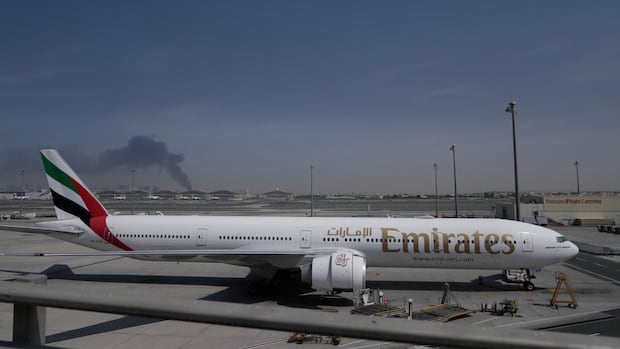
Middle East air travel resumes amid U.S.-Israel airstrikes on Iran and retaliatory attacks in the region, affecting many passengers and airport operations.
MidEast Air Travel Resumes Amid Conflict
Air travel in the Middle East has restarted after a brief suspension due to airstrikes by the United States and Israel on Iran, which triggered retaliatory attacks across the region. While some airlines and airports have resumed limited operations, many travelers remain stranded with flights canceled or delayed indefinitely.
Raymond Grewal from Vancouver was among those caught in the chaos. His honeymoon plans took a turn when he learned of the conflict while en route to Dubai, leading to a three-day wait for his return flight. Despite the challenges, passengers are hopeful for eventual rebooking as airlines work to accommodate those affected by the disruptions.
Major airports in Doha and Abu Dhabi have been hit hard, with over 9,500 flights canceled since Saturday. Iran's missile strikes on these hubs have caused significant delays and disruptions, leaving thousands of travelers without alternative routes. However, some airlines like Emirates and FlyDubai have begun resuming flights to select destinations, offering a glimmer of hope for those seeking to depart.
Meanwhile, efforts to de-escalate tensions are being advocated by global leaders, emphasizing the importance of protecting civilians in the region. Travelers are advised to monitor updates from their airlines and airports as the situation continues to evolve rapidly. Many remain uncertain about when they'll be able to return home or proceed with their travels as planned.
For more information and updates, visit CBC News for ongoing coverage of the Middle East conflict and its impact on air travel worldwide.
By news
7 months ago
No cameras found for this country.