Who is Ahmad Vahidi, the IRGC’s New Commander?
Mar 6, 2026
 Iran
Politics
Iran
Politics
Iran
Politics
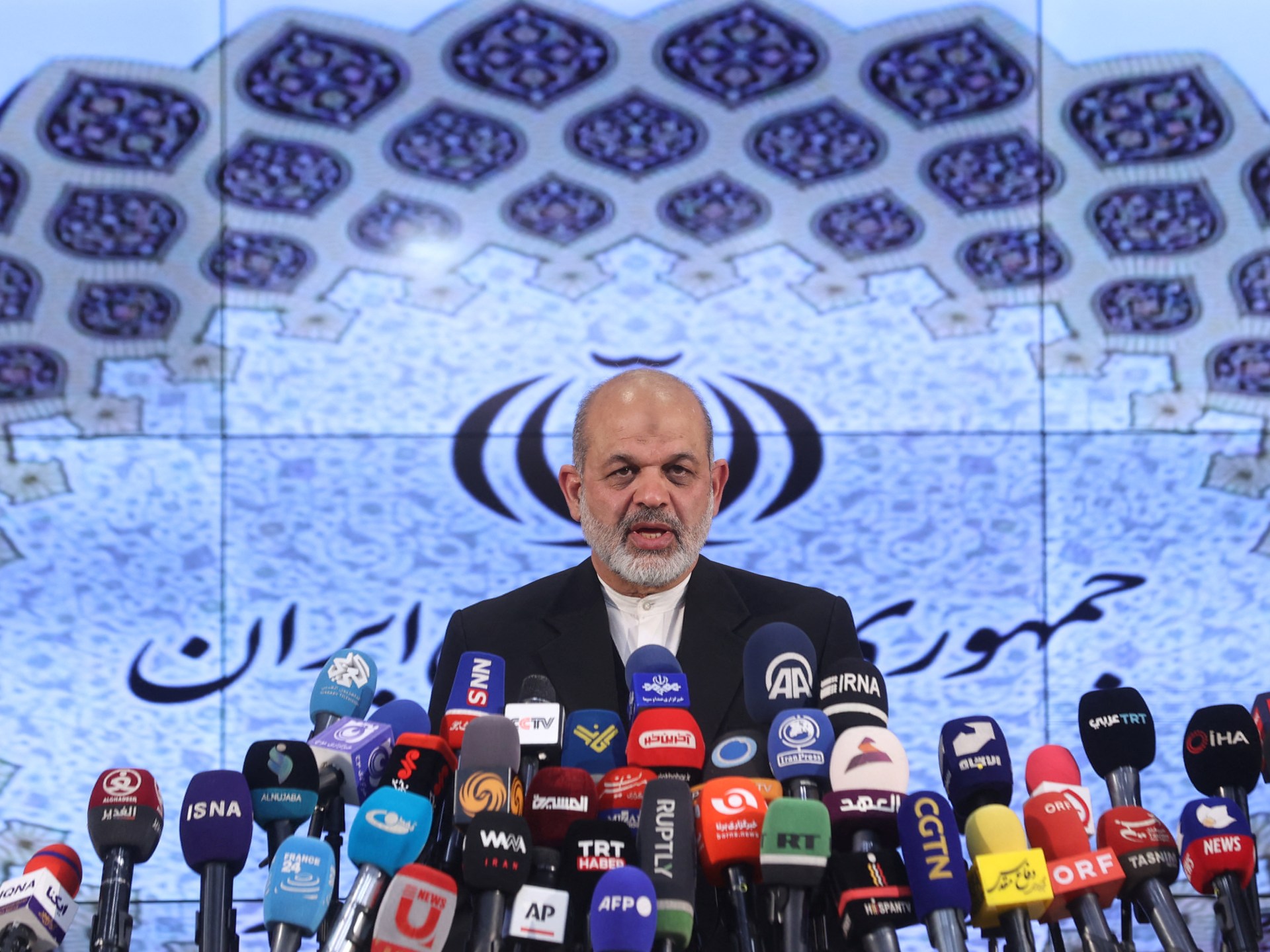
Brigadier General Ahmad Vahidi, a seasoned leader with a controversial past, has taken command of Iran's Islamic Revolutionary Guard Corps amidst a devastating
Who is Ahmad Vahidi, the IRGC’s New Commander?
Brigadier General Ahmad Vahidi has taken command of Iran's Islamic Revolutionary Guard Corps (IRGC) at a pivotal moment for the country. The IRGC has been at the forefront of Iran's defense and counter-attack efforts amidst a joint US-Israeli airstrike campaign that has caused widespread devastation and loss of life. Vahidi's appointment follows the assassination of several top Iranian military leaders, including Qassem Soleimani and Mohammad Pakpour, who were key figures in the resistance against foreign aggression.
Vahidi's leadership will be critical as Iran faces unprecedented challenges in maintaining its military and institutional cohesion. His extensive experience within the IRGC, including roles in intelligence and military operations, positions him well to navigate the complexities of the current crisis. Additionally, his background in senior political roles, such as defense minister and interior minister, provides him with a unique perspective on Iran's internal dynamics and regional strategic goals.
Despite his controversial past, including allegations tied to the 1994 AMIA bombing in Buenos Aires and international sanctions, Vahidi has shown pragmatism in serving Tehran's strategic interests. His ability to coordinate the IRGC's decentralized structure will be essential for Iran's survival and defense, especially given the recent losses of key military leaders and the need to maintain institutional continuity.
The IRGC, created to withstand decapitation and maintain control over Iran's strategic assets, is now led by a figure with extensive experience and a deep understanding of both Iran's internal politics and the broader regional conflicts. As the Islamic Republic seeks to inspire its forces to keep fighting despite overwhelming odds, Vahidi's role will be crucial in shaping Iran's response to the ongoing military campaign.
By news
7 months ago
No cameras found for this country.