Qatar's LNG Halt Exposes Asia's Energy Vulnerabilities
Mar 6, 2026
 Qatar
Energy
Qatar
Energy
Qatar
Energy
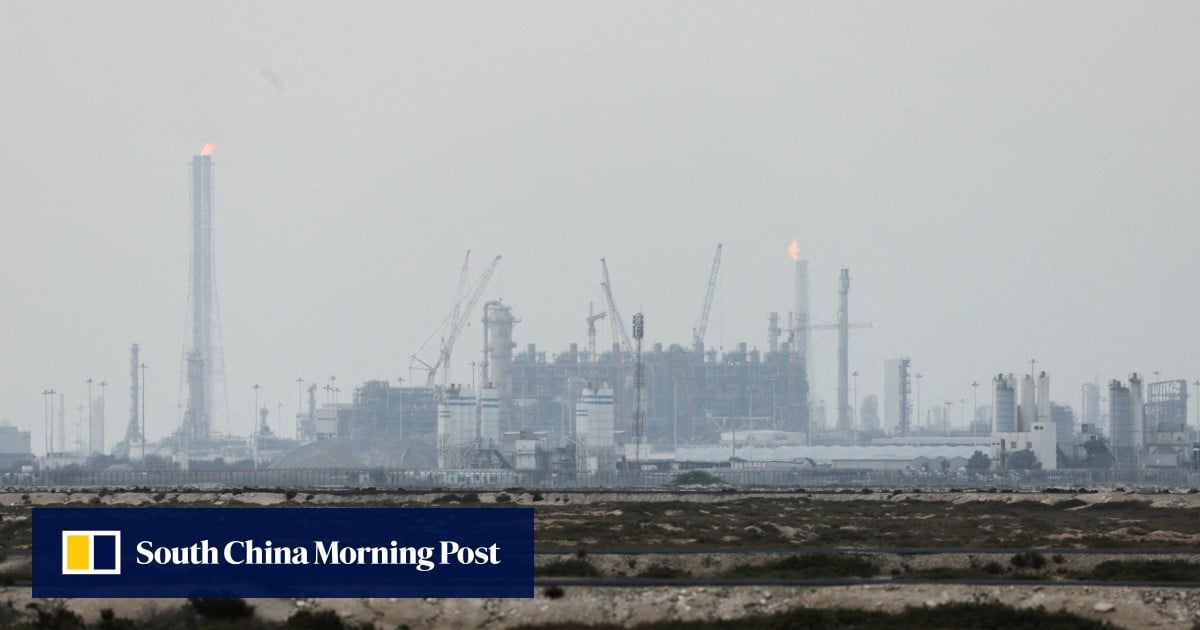
Qatar’s LNG disruption highlights Asia's vulnerability to geopolitical energy shocks, with prices surging and urging a shift to renewable energy.
Qatar's LNG Halt Exposes Asia's Energy Vulnerabilities
The recent disruption in Qatar’s liquefied natural gas (LNG) production has revealed critical vulnerabilities in Asia’s energy supply, sending regional gas prices to highs not seen in about three years. This crisis underscores the region’s heavy dependence on imported fossil fuels and highlights the need for a swift transition to renewable energy sources to mitigate the risks posed by geopolitical tensions and supply chain disruptions.
Analysts have pointed out that the turmoil in the Middle East, including Iran’s drone strikes on Qatar in retaliation for regional conflicts, has exacerbated the situation. The blocking of shipping through the Strait of Hormuz, a key artery for global oil and gas trade, has further strained global energy supply, causing Asian buyers to scramble for alternative fuel sources and forcing industries to cut consumption due to soaring costs.
Spot LNG prices in Asia have been hovering around US$23.80 per million British thermal units, marking a significant increase. This development has reignited calls for Asia to diversify its energy sources and reduce its reliance on Middle Eastern suppliers. The halt in Qatar’s LNG output, particularly at its Ras Laffan plant, has been a major factor in this shift, with buyers across Asia seeking replacement cargoes to maintain their operations.
While the immediate impact of the disruption has been felt across various industries, the longer-term implications of this crisis are likely to be more profound. It has highlighted the urgent need for Asia to move towards renewable energy solutions to ensure energy security and reduce its exposure to geopolitical shocks. The article emphasizes that the global energy landscape remains unstable, and Asia must take proactive steps to address its fossil fuel dependency and invest in sustainable alternatives to avoid future disruptions.
By news
7 months ago
No cameras found for this country.