Russian Attacks Escalate in Kramatorsk Amid Ukraine's Counteroffensive
Mar 6, 2026
 Ukraine
International
Ukraine
International
Ukraine
International
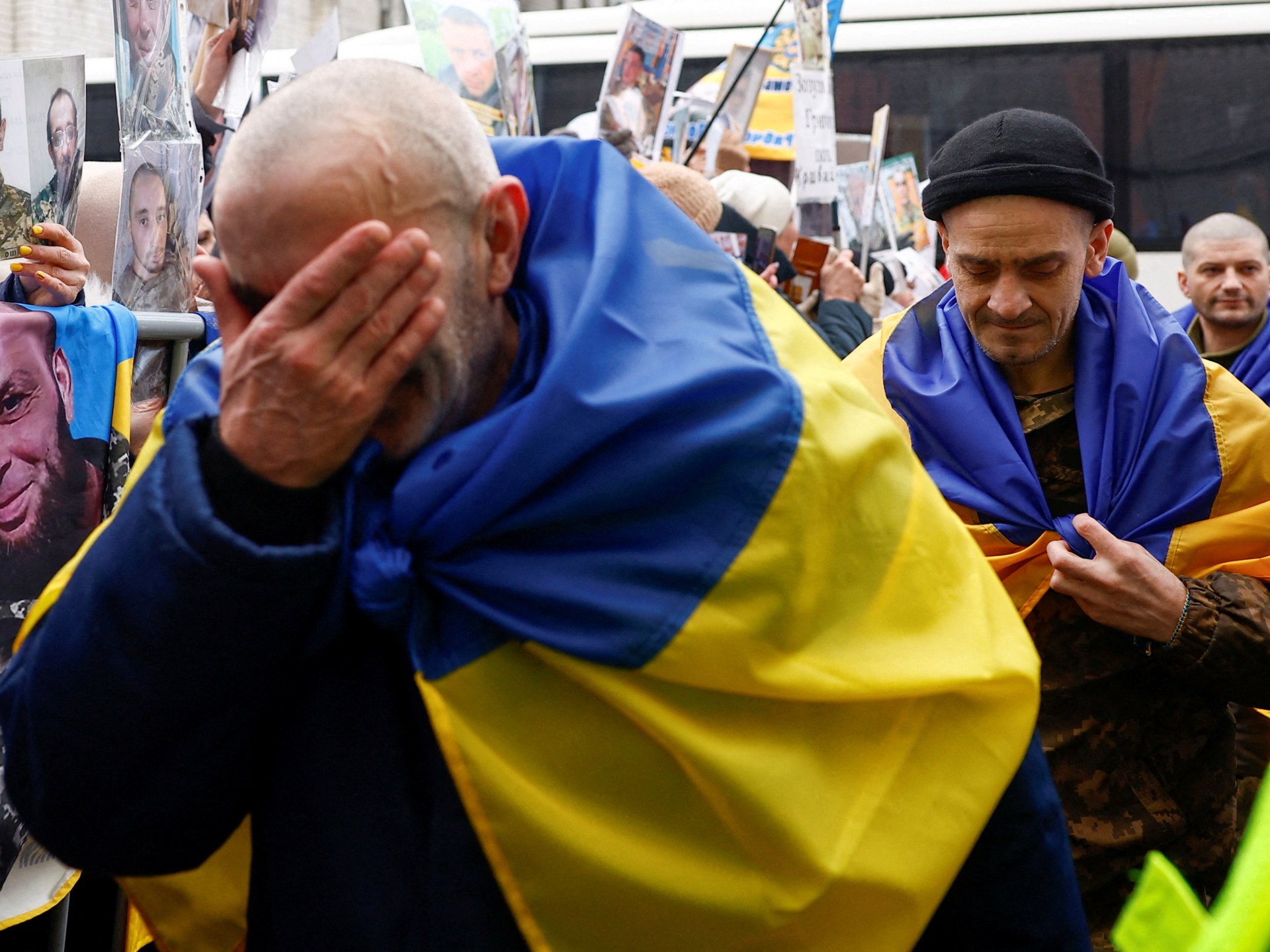
Russian forces have intensified their attacks on Kramatorsk, Ukraine, as the country makes gains in its counteroffensive against Russia. The conflict's dynamics
Russian Attacks Escalate in Kramatorsk Amid Ukraine's Counteroffensive
Russian forces have escalated their attacks on the city of Kramatorsk in Ukraine's eastern Donetsk region, marking a significant development in the ongoing conflict. As Ukraine regains ground through its counteroffensive operations, the Russian military has reportedly initiated a series of tube artillery strikes on outlying communities of Kramatorsk. This represents a shift in the conflict's dynamics, with both sides showing resilience and strategic adaptability. Meanwhile, international stakeholders, including the United States and Israel, have taken varying stances on the conflict, with some calling for a cessation of hostilities while others continue to support military actions. The situation remains complex, with no immediate signs of a peaceful resolution. In related news, Ukraine has been actively engaging in prisoner swaps and counter-drone operations, further highlighting the multifaceted nature of the conflict. The involvement of Iran and its proxy forces in the war adds another layer of complexity, as both sides seek to bolster their positions and secure their interests. As the conflict enters its fifth year, the humanitarian toll and the international community's response continue to be focal points of global attention. This article provides an in-depth analysis of the current state of the conflict, its strategic implications, and the broader implications for regional and global stability.
By news
7 months ago
No cameras found for this country.