Lebanon Crisis: Tens of Thousands Flee Strikes
Mar 8, 2026
 Lebanon
International
Lebanon
International
Lebanon
International
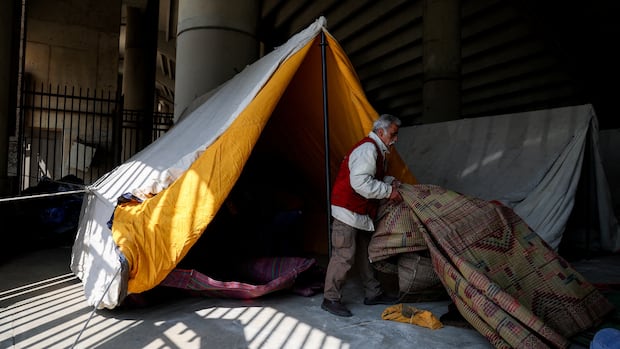
Lebanon faces a humanitarian crisis as tens of thousands flee Israeli strikes, some with only clothes on their back. The conflict between Israel and Hezbollah h
Lebanon Crisis: Tens of Thousands Flee Strikes
Tens of thousands of residents in Lebanon are currently fleeing their homes amid ongoing Israeli military strikes. Many have been forced to leave with only the clothes they were wearing, showcasing the urgency and desperation of the situation.
The conflict, which began between Israel and the Hezbollah group, has escalated significantly in recent days. Israeli jets have carried out numerous airstrikes, targeting areas across the country, including the capital city of Beirut and its southern suburbs. These strikes have caused widespread destruction, leaving buildings and infrastructure in ruins and displacing entire communities.
International efforts are now focused on assisting those affected. Countries such as Canada have initiated evacuation operations to help their citizens leave the region, while organizations like the United Nations are calling for urgent humanitarian aid to address the growing crisis. The death toll continues to rise, with reports of over 200 killed and thousands more injured in Lebanon alone. Additionally, there are reports of Iranian retaliatory attacks targeting international bases in the Gulf region, further complicating the situation.
Lebanese officials have reported that over 300,000 people have been displaced due to the ongoing strikes. Many of these individuals are seeking shelter in temporary locations, often with family and friends, as formal shelters are overwhelmed. The socio-economic challenges faced by these displaced individuals are exacerbated by their urgent need for basic necessities and humanitarian assistance.
Meanwhile, Iran has continued to defend its actions, stating that its military operations are in response to aggression from the United States and Israel. President Masoud Pezeshkian has apologized to neighboring Gulf states for the attacks, though this has been met with skepticism, as Iran's actions have led to increased tensions in the region. The war, now in its second week, shows no signs of abating, with both sides engaging in prolonged and intensive military operations.
As the situation unfolds, the international community remains closely monitoring developments and attempting to mediate the conflict. However, with no clear end in sight, the humanitarian crisis continues to deepen, affecting millions of people across the region.
By news
7 months ago
No cameras found for this country.