Iran war affects China's sulphur imports
Mar 8, 2026
 China
Economy
China
Economy
China
Economy
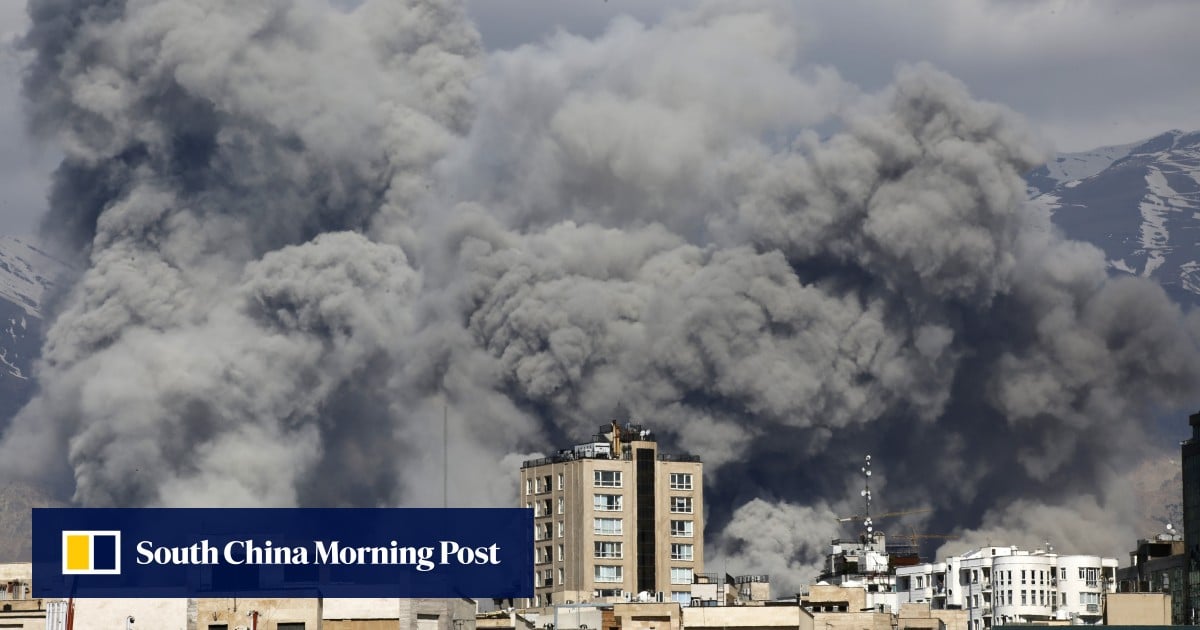
China's sulphur imports are affected by Iran's war, impacting fertilizers and agriculture as planting season begins.
The Impact of Iran's War on China's Sulphur Imports
China's reliance on foreign sulphur is being severely impacted by the ongoing conflict in Iran, which has led to disruptions in supply chains and higher prices for essential fertilisers just as the spring planting season starts.
China imports 47% of its sulphur from the Persian Gulf region, which is already facing challenges due to the closure of strategic shipping routes like the Strait of Hormuz. This has caused a significant increase in shipping costs and created shortages, leading to higher fertilizer prices that could affect agricultural production and food security.
Allan Pickett, an expert in fertiliser research, notes that prices have risen to an average of US$520 per ton in January and February, and further disruptions could drive these prices even higher.
The situation highlights the vulnerability of global supply chains and the importance of secure sourcing routes for critical materials essential to agriculture and the economy.
By news
7 months ago
No cameras found for this country.