North Korea's Shift from Reunification to Coexistence
Mar 8, 2026
 South Korea
politics
South Korea
politics
South Korea
politics
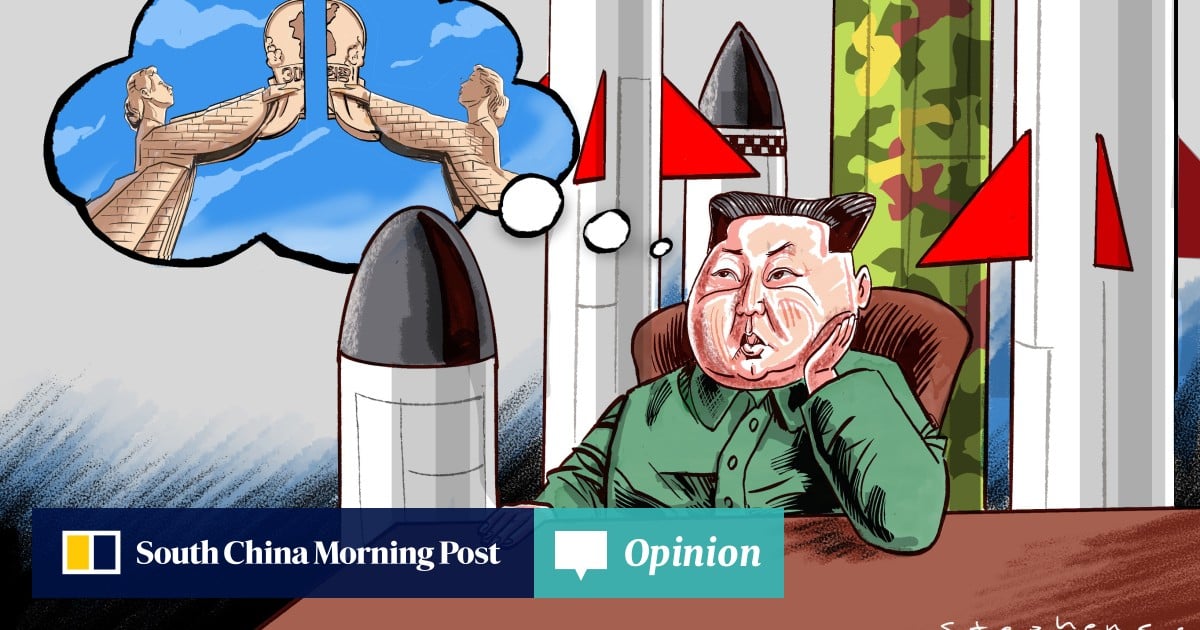
North Korea's Workers’ Party Congress signals a shift in policy towards coexistence over reunification, influenced by nuclear capabilities and geopolitical deve
North Korea's Shift from Reunification to Coexistence
The recent Workers’ Party Congress in North Korea has marked a significant shift in the country’s political stance, moving away from the traditional goal of reunification towards a new concept of coexistence. This change reflects the regime's updated perspective on national identity and international relations, influenced by recent developments such as the recovery of its economy post-COVID-19 and strengthened military alliances, particularly with Russia.
North Korean leader Kim Jong-un has emphasized South Korea as a ‘most hostile’ nation, which has reanimated security concerns on the peninsula. Despite this, there are no apparent pathways for inter-Korean diplomacy while the North continues to classify Seoul as a hostile state. This stance has caused confusion and frustration among South Korean and US officials, who must take Pyongyang’s rhetoric seriously without assuming it is solely for foreign audiences.
While Kim Jong-un’s regime maintains its totalitarian governance, the redefined stance towards coexistence offers a new direction for North Korea’s future. The article explores the implications of this shift, including the impact on inter-Korean relations and global security dynamics. It also highlights the regime’s need to maintain legitimacy among party elites, balancing competing frameworks of national identity and independence.
Overall, the Workers’ Party Congress underscores North Korea’s evolving political landscape, where nuclear deterrence and strategic alliances now play central roles in the country’s approach to peace and international cooperation.
By news
7 months ago
No cameras found for this country.