Sleepless Nights: Attacks in Iran Disrupt Daily Life and Power
Mar 10, 2026
 Iran
International
Iran
International
Iran
International
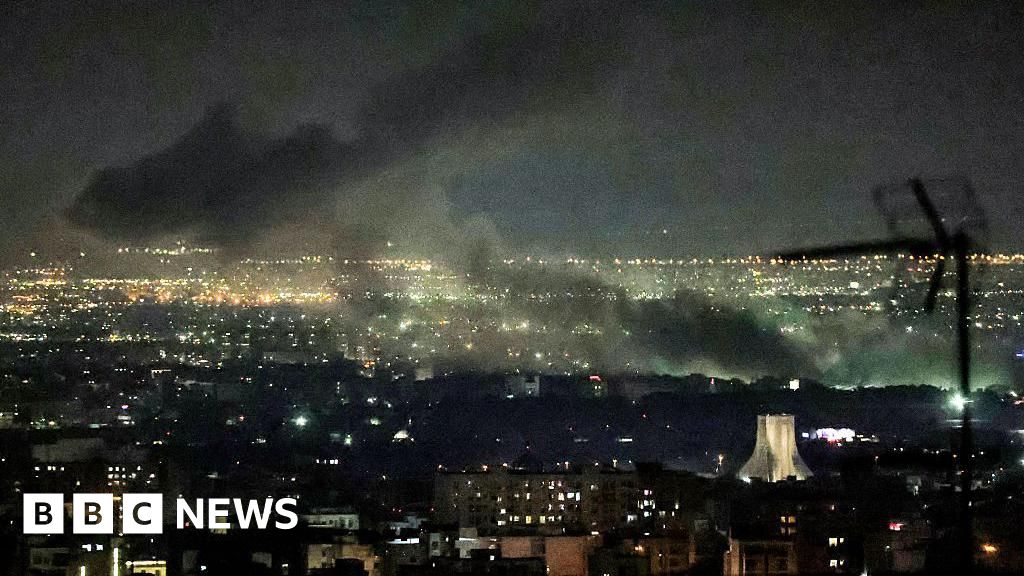
Iranian residents face sleepless nights and power cuts due to ongoing attacks, highlighting the human toll and disruption to daily life.
Sleepless Nights: Attacks in Iran Disrupt Daily Life and Power
Over the past ten days, the people of Iran have been enduring relentless attacks from Israeli and US forces, leading to widespread disruption in daily life and power outages across Tehran and nearby cities like Karaj. The constant strikes and explosions have left residents exhausted and unable to sleep, with many expressing a desperate desire for the conflict to end.
The attacks have targeted key infrastructure of the Revolutionary Guards, including weapons research facilities and Quds Force headquarters. On February 28th, a joint US and Israeli operation initiated the war, followed by retaliatory missile and drone strikes from Iran. The conflict has led to significant loss of life, with at least 1,761 people killed, including 1,245 civilians and 194 children.
The human toll is immense, with families enduring the loss of loved ones and the constant fear of further strikes. Many have reported temporary blackouts and power fluctuations, making it difficult to maintain routine or find solace in sleep. One resident in Tehran shared his experience of being awakened by loud explosions and the chaos of power outages, highlighting the mental toll on the population.
In Karaj, a city 30 km west of Tehran, similar disruptions have occurred, with residents expressing frustration and a sense of hopelessness about the future. A mother in Mehrshahr district spoke of the fear of death and the resilience needed to survive, emphasizing the community's determination to endure for the sake of eventual freedom.
The international community has raised concerns over the humanitarian crisis, with limited access for journalists and independent verification of events. The war has left many questioning the continuation of the conflict and the potential for a resolution that could bring peace to the region.
By news
6 months ago
No cameras found for this country.