Ukraine and allies fear easing Russian sanctions will prolong war
Mar 13, 2026
 Germany
International
Germany
International
Germany
International
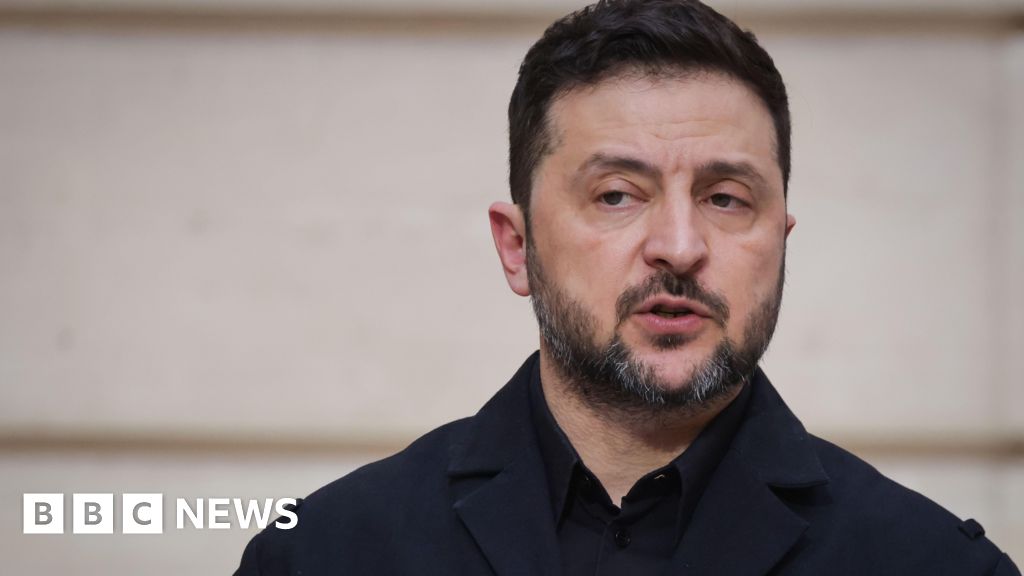
U.S. decision to ease Russian sanctions criticized by European leaders and Ukraine, risking prolonged conflict and Russia's economic boost.
Ukraine and Allies Fear Easing Russian Sanctions Will Prolong War
President Volodymyr Zelensky of Ukraine has criticized the U.S. decision to ease sanctions on Russian oil sales, arguing it does not contribute to peace. European leaders, including France's Emmanuel Macron and Germany's Friedrich Merz, have also expressed strong opposition, calling the move 'wrong' and 'without justification.'
Russia's oil sales are already benefiting from high global prices caused by conflicts in the Middle East. These leaders fear that allowing Russia to sell more oil will provide additional revenue, enabling the Kremlin to bolster its war efforts and military purchases. The U.S. Treasury has temporarily suspended sanctions on Russian oil shipments, a decision Zelensky estimates as a $10bn windfall for Russia.
This move has been met with criticism from allies, who believe maintaining pressure on Russia is essential for ending the war. The situation remains complex, with economic and diplomatic efforts fluctuating, and the future of peace talks uncertain.
Additionally, Ukraine is struggling with financial issues due to delayed EU funds and pipeline repair delays caused by Russian strikes. The U.S. and Iran conflict may also indirectly impact Ukraine's financial struggles, as EU funds are being delayed by a row with Hungary.
The war in the Middle East continues to influence global markets and geopolitical relations, affecting both energy producers and allies of Russia. The conflict in Ukraine remains a focal point for international diplomacy and economic strategies.
Key Points:
- U.S. decision to ease Russian sanctions criticized by European leaders and Ukraine
- Concerns over increased revenue for Russia, boosting its military capabilities
- Delays in EU funds and pipeline repairs exacerbate Ukraine's financial struggles
- Impact of Middle East conflicts on global energy markets and geopolitical relations
- Uncertainty in peace talks and international alliances
By news
6 months ago
No cameras found for this country.