Fallout After Allegations Against Cesar Chavez
Mar 21, 2026
social_justice
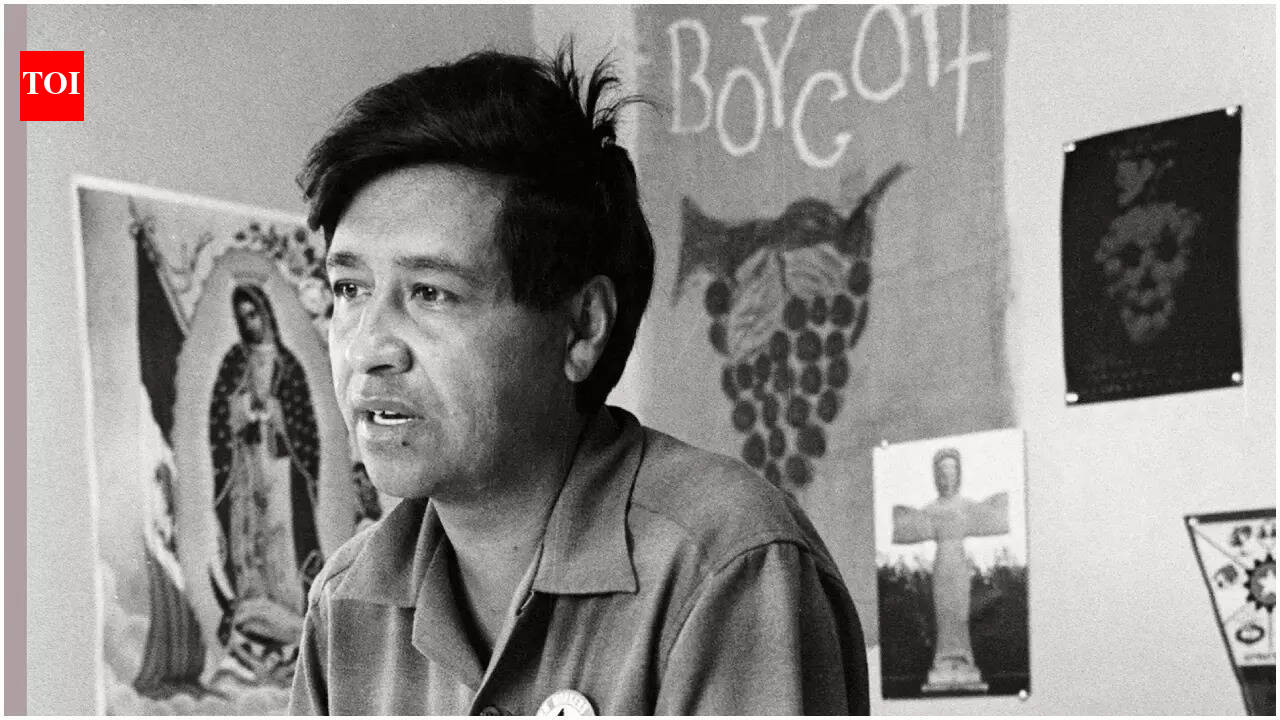
Public officials swiftly remove Cesar Chavez’s presence after sexual assault allegations, renaming a holiday to honor farmworkers instead.
Fallout After Allegations Against Cesar Chavez
The recent allegations against Cesar Chavez have led to the swift removal of his name and likeness from public spaces in California. This decision was made following accusations of sexual assault, which have sparked a broader debate about how to handle the legacy of historical figures with controversial pasts.
Swift Action Taken
Officials and activists across California quickly took action to erase Chavez’s presence from buildings, roads, parks, and schools. The move was described as unprecedented, especially in a state where Chavez’s legacy is deeply rooted in the fight for agricultural workers’ rights.
Impact on the Community
Many community members expressed shock at the allegations and supported the immediate action taken. The focus has shifted from honoring Chavez to recognizing the contributions of farmworkers who continue to work under challenging conditions.
Historical Context
This isn't the first time communities have reassessed public names tied to controversial figures. Recent efforts include renaming streets and monuments associated with the Confederacy and Father Junípero Serra, though those processes have been slower and more deliberative.
Renaming the Holiday
On Thursday, Los Angeles Mayor Karen Bass and City Council members announced they would abandon the holiday honoring Chavez’s birthday. Instead, it will be renamed to ‘Farm Workers Day’ to honor those who work in the fields.
Community Reactions
Araceli Molar de Barrios, a farmworker who worked for nearly 30 years after arriving in the US, shared her experiences of sexual harassment and supported the renaming of streets and parks to honor farmworkers and activists like Dolores Huerta.
Legacy and Controversy
Chavez’s legacy is complex, with some viewing him as a hero for farmworker rights and others questioning his actions. The swift removal of his name reflects the growing expectation that historical figures must be held to higher standards of ethical behavior.
The Role of Historical Figures
Historians argue that focusing solely on one individual overlooks the broader movements and contributions of lesser-known figures who played significant roles in the farmworkers’ movement. The debate continues about how best to represent historical figures in public spaces.
By news
6 months ago
No cameras found for this country.