Australia Oil Supply Crisis as Strait of Hormuz Disruptions Loom
Mar 22, 2026
 Australia
Energy
Australia
Energy
Australia
Energy
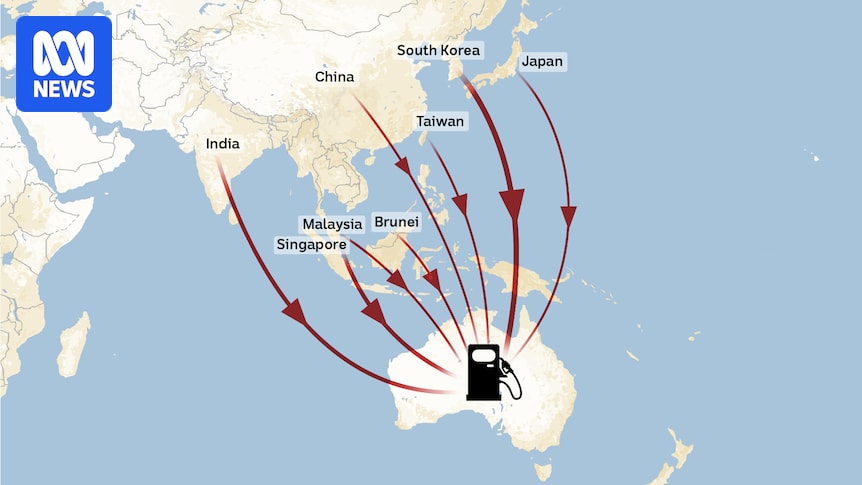
Australia's oil supplies are at risk due to disruptions in the Strait of Hormuz caused by the US-Israeli conflict with Iran. The closure affects Asian suppliers
Australia Oil Supply Crisis Looms
As the US-Israeli conflict with Iran escalates, the Strait of Hormuz has become a bottleneck for global oil supplies. This crucial waterway is now mostly impassable, threatening to disrupt the flow of oil from the Middle East to Asia and beyond.
Australia, which currently relies on two domestic refineries, receives over 80% of its petrol, diesel, and jet fuel from Asian suppliers. These include South Korea, Singapore, Malaysia, and China. The refineries in these countries obtain most of their crude oil through the Strait of Hormuz.
Expert analysis suggests that Australia is at significant risk of experiencing a severe fuel shortage. With limited options for alternative supplies, fuel prices are expected to rise further, and refiners may be forced to reduce production or even shut down operations. The situation remains fluid and could worsen in the coming weeks as global oil markets continue to grapple with the impacts of the Hormuz closure.
Immediate Implications for Australia
Australia's fuel stockpiles and supply chain lag mean that physical shortages are yet to hit domestic markets. However, this is set to change rapidly as Asian refiners begin to feel the pinch of limited oil supplies.
By news
6 months ago