World energy watchdog issues stark warning about fuel crisis
Mar 23, 2026
Energy
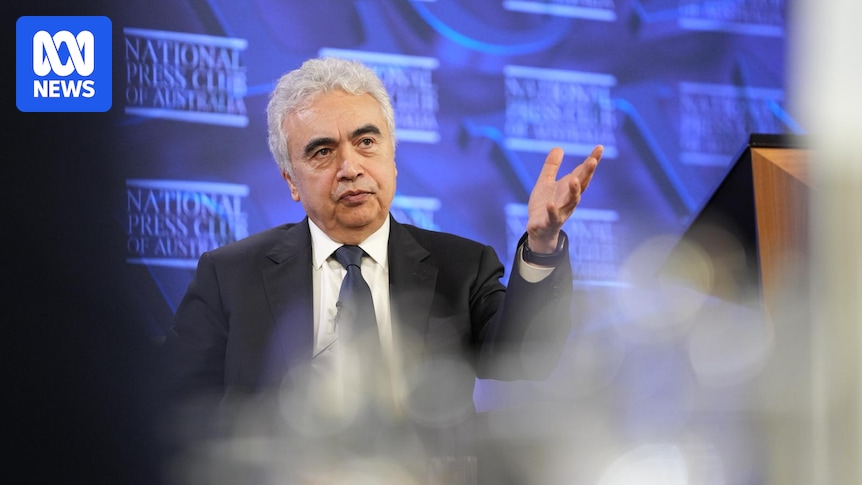
The International Energy Agency warns that the ongoing Iran conflict has caused the worst fuel crisis in history, with significant supply disruptions affecting
World energy watchdog issues stark warning about fuel crisis
The head of the International Energy Agency has cautioned that world leaders have not adequately addressed the severe energy crisis stemming from the Iran conflict. The ongoing war has resulted in over 40 energy assets being damaged or destroyed across the Middle East, exacerbating already strained global supply chains.
Far-reaching consequences
Dr Fatih Birol, the IEA's executive director, highlighted that the current fuel shortage is more severe than previous crises, including those of the 1970s. He emphasized that even if peace is established shortly, it will take time for energy supplies to return to pre-conflict levels.
Global impact
The crisis has led to a loss of 11 million barrels per day, surpassing previous major oil shocks combined. Supply disruptions are not limited to oil; they also affect fertilizers, petrochemicals, and helium, with gas markets enduring significant losses as well.
Current challenges
The shutdown of the Strait of Hormuz, a key shipping lane for global oil supply, has further strained an already volatile situation. Australian fuel shipments have been delayed or canceled, though some replacements have been identified.
Calls for caution and collaboration
Dr Birol advised against hasty implementation of new taxes or charges to avoid deterring energy investors. He expressed optimism that companies will prioritize supporting government efforts rather than exploiting the crisis for profit.
Asian leaders are more attuned to the situation's severity, while European understanding remains limited. A joint statement by Australian Prime Minister Anthony Albanese and Singapore’s Laurence Wong underscores a commitment to regional cooperation and accelerating renewable energy transitions to enhance global energy security.
By news
6 months ago
No cameras found for this country.