Slovenia First EU Country to Enforce Fuel Rationing
Mar 24, 2026
 Slovenia
Business/Economics
Slovenia
Business/Economics
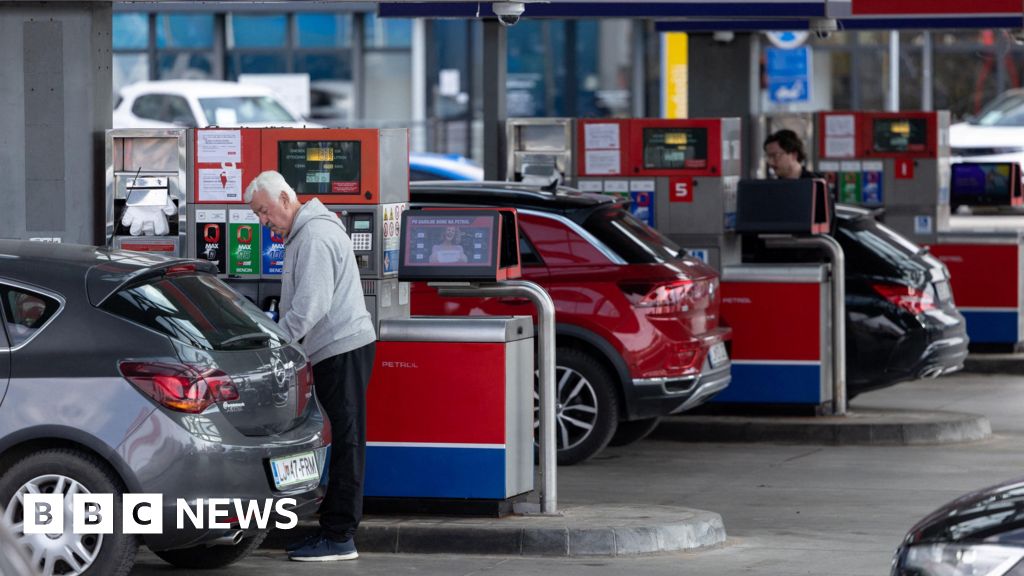
Slovenia is the first EU country to introduce fuel rationing in response to global energy disruptions, affecting neighboring countries and local fuel prices.
Slovenia First EU Country to Enforce Fuel Rationing
As the first member state in the European Union, Slovenia has implemented fuel rationing measures due to global energy market disruptions caused by the US-Israeli conflict in Iran and its retal...
Restrictions and Allowances
Private motorists are restricted to a maximum of 50 litres of fuel per day, while businesses and farmers can purchase up to 200 litres. Fuel stations are responsible for enforcing these limits, with employees monitoring purchases to ensure compliance.
Prime Minister's Assurance
Prime Minister Robert Golob has assured the public that there is sufficient fuel in Slovenia, with fuel warehouses full and no shortages anticipated. The government is encouraging fuel retailers to impose stricter limits for foreign drivers, particularly those from neighboring countries.
Impact on Local and Foreign Drivers
Drivers from Austria and other neighboring countries are taking advantage of Slovenia's lower fuel prices, causing queues and shortages for local residents. Some Slovenians view these 'fuel tourists' as a nuisance, while others welcome the economic activity they bring.
Political Propaganda
Austrian politician Herbert Kickl has been using his refuelling trips to Slovenia as political propaganda, posting photos of queues at Slovenian petrol stations. He questions the necessity of such practices in his own country and criticizes the high fuel prices.
Fuel Price Disparities
Despite government measures, the price disparity between Slovenia and neighboring countries remains significant. As long as these differences persist, 'fuel tourism' is expected to continue, with more drivers crossing borders in search of cheaper fuel.
By news
7 months ago


