Japan Rice Prices Double Amid Rising Inflation, May 2024
Jun 20, 2025
 Japan
Economics
Japan
Economics
Japan
Economics
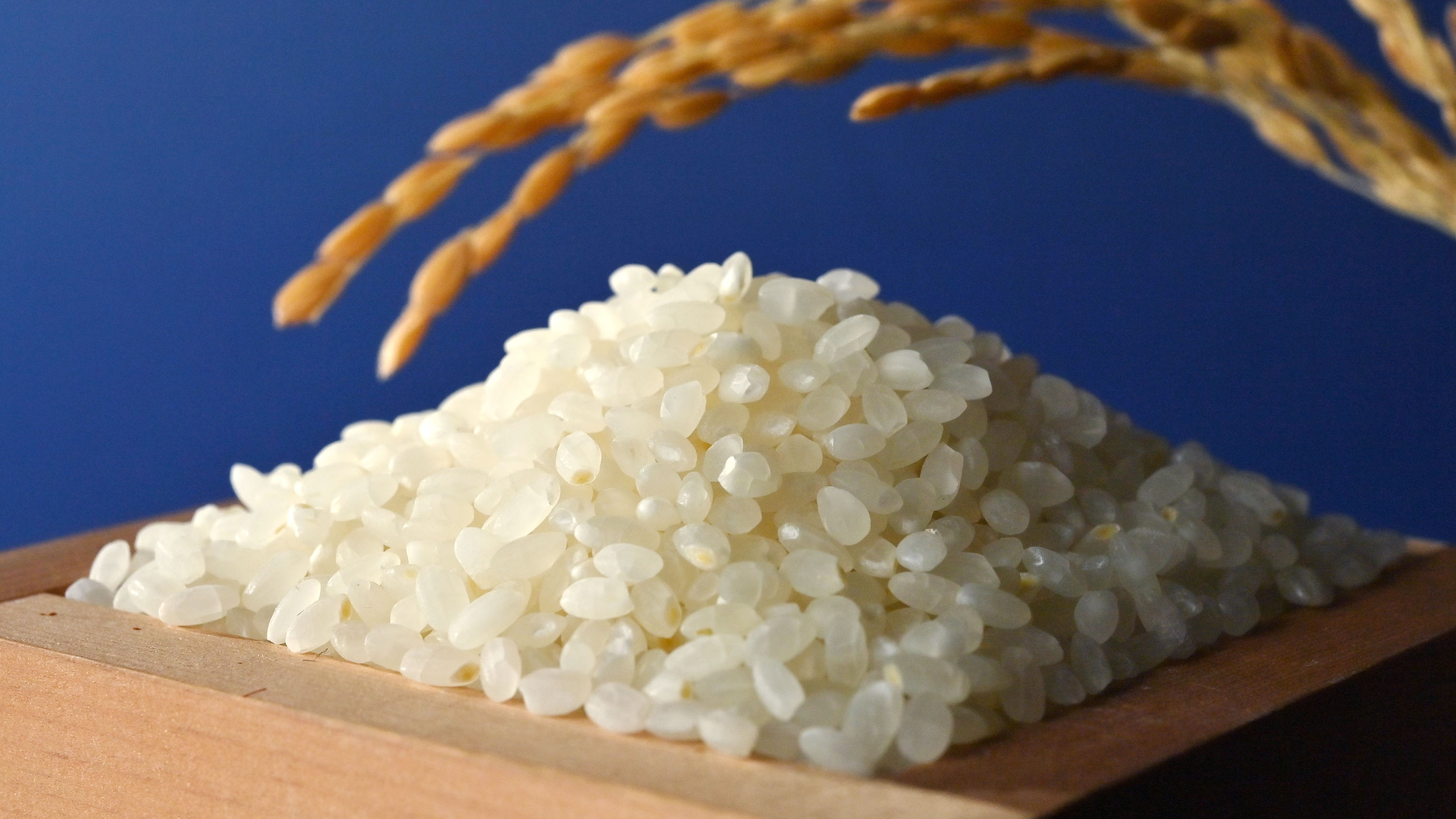
Rice prices in Japan doubled in May, hitting a 50-year high. Core inflation reached 3.7%, the highest since January 2023, impacting the economy.
Japan Rice Prices Surge Amid Inflation
Rice prices in Japan have experienced a dramatic increase, more than doubling in May with a staggering 101.7% year-over-year spike. This marks the most significant rise in over half a century.
Inflationary Pressures
This surge follows substantial increases in April and March, placing considerable strain on consumers. In response, the Japanese government has taken action, releasing emergency rice stockpiles in an effort to moderate prices.
Japan's core inflation rate has climbed to 3.7% in May, reaching its highest level since January 2023. This figure surpassed economists' projections. Overall, headline inflation remains elevated at 3.5%, marking the 38th consecutive month above the Bank of Japan's (BOJ) 2% target.
BOJ's Response and Economic Outlook
The 'core-core' inflation rate, which excludes fresh food and energy prices, has also risen, reaching 3.3%. JP Morgan Asset Management highlights that rice has a significant influence on Japan's core inflation.
The BOJ has maintained rates at 0.5%, acknowledging that wage increases are impacting selling prices and contributing to core inflation. While the central bank anticipates a future decline in inflation, Governor Kazuo Ueda has suggested potential rate hikes once the 2% inflation target is within reach. Japan's GDP also experienced a contraction in the first quarter of 2024.
By news
5 months ago