
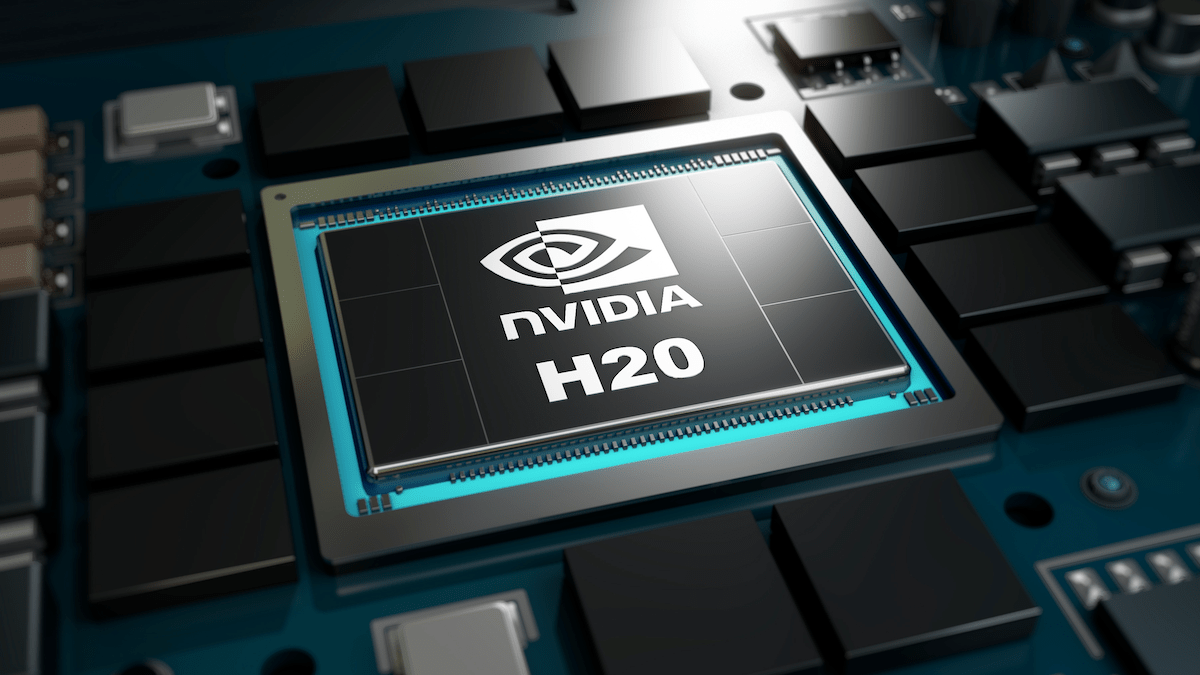
Nvidia Responds to China's Security Concerns Over H20 AI Chips
Nvidia has refuted claims from Chinese state media that its H20 AI chips pose a national security threat to China. The response follows a report by CCTV-affiliated Yuyuan Tantian, alleging the chips are neither technologically advanced, environmentally friendly, nor secure, hinting at potential remote shutdown capabilities through a hardware backdoor.
Nvidia's Firm Denial
An Nvidia spokesperson firmly stated that their chips do not contain any backdoors enabling remote access or control. This rebuttal echoes Nvidia's earlier denial of a potential "kill switch" feature in its AI chips.
U.S.-China Tensions
Tensions between the U.S. and China over semiconductor export controls have been ongoing, even after Nvidia resumed H20 shipments to China. The H20 chip, designed for the Chinese market after initial export restrictions, is a less advanced version of Nvidia's flagship H100 and B100 chips.
Export Control Concerns
U.S. export controls on Nvidia chips stem from concerns that China could leverage advanced AI for military and broader technological advantages. Meanwhile, Chinese officials are seeking eased restrictions on high-bandwidth memory chips as part of potential trade discussions.
CEO's Stance
Nvidia CEO Jensen Huang advocates for both Trump's policies and export licenses for the H20 chip, emphasizing that Nvidia's global dominance in AI computing benefits the U.S. Nvidia previously took a $4.5 billion writedown on unsold H20 inventory due to export restrictions.