Kremlin Awaits Official US Peace Plan; Zelensky Considers Proposals Amid Ukraine War Developments
Nov 21, 2025
 Ukraine
International Relations
Ukraine
International Relations
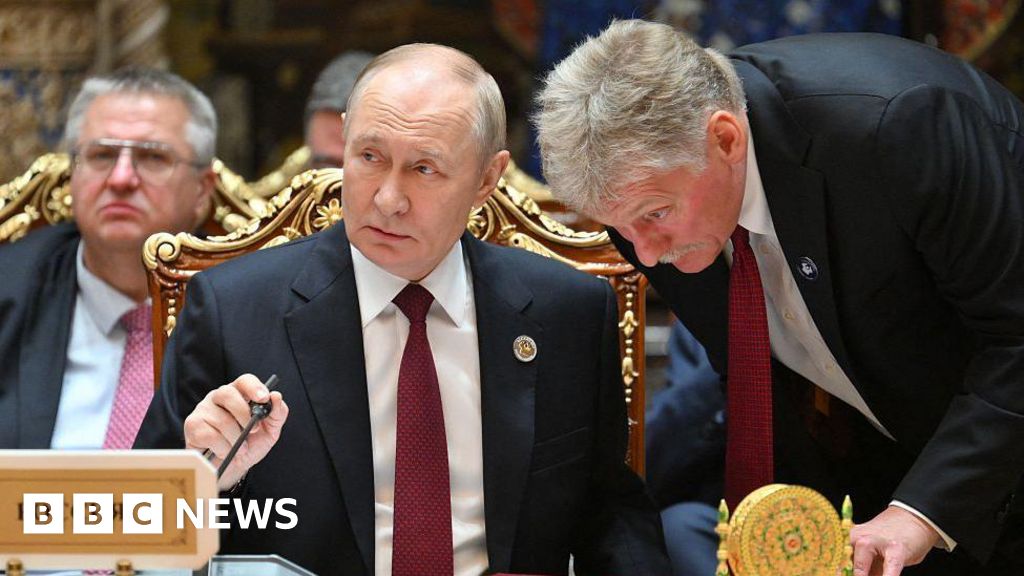
The Kremlin states it hasn't received the US peace plan officially, while Ukraine's Zelensky is open to discussing proposals seen as favorable to Russia. Leaked
Kremlin Denies Receiving Official US Peace Plan, Ukraine Cautiously Engages
Despite reports of a comprehensive United States-backed peace initiative to end the conflict in Ukraine, the Kremlin has stated it has yet to receive any official communication from Washington regarding the proposals. This comes as Ukrainian President Volodymyr Zelensky signaled his readiness to engage with the Trump administration's "vision" for peace, even as leaked details of the plan raise significant concerns in Kyiv and among its European allies.
Controversial Proposals Emerge
The leaked US peace plan reportedly includes provisions that Ukraine has previously deemed unacceptable, appearing to heavily favor Moscow. Key elements include the potential ceding of territories in the eastern Donetsk region still controlled by Ukraine, a reduction in the size of Ukraine's armed forces, and a pledge not to join NATO. Further controversial suggestions involve lifting sanctions against Russia and inviting it to rejoin the G7, effectively restoring the G8.
These proposals have drawn a carefully worded response from Zelensky's office. Simultaneously, the conflict continues on the ground, with Russian strikes overnight claiming six lives—five in Zaporizhzhia and one in Dnipropetrovsk—and causing significant damage to residential areas and vehicles.
Kyiv's Delicate Diplomatic Dance
The emergence of this draft plan coincides with Russia claiming minor territorial gains in eastern Ukraine and Zelensky grappling with a domestic $100 million corruption scandal involving top officials. The White House has pushed back against claims that Ukraine was excluded from the drafting process, following meetings between US special envoy Steve Witkoff and Russian counterpart Kirill Dmitriev.
An unnamed US official reportedly informed CBS News that Rustem Umerov, a senior member of Zelensky's administration, had agreed to the majority of the plan and made several modifications before presenting it to the President. However, Umerov later posted on Telegram, denying any assessment or approval of the plan, stating that Ukraine was still "carefully considering our partners' proposals."
President Zelensky has maintained a cautious public stance, refraining from direct criticism. He expressed appreciation for "the efforts of President Trump and his team to return security to Europe," a move interpreted by some as an attempt to keep the US president engaged despite the perceived softness of the plan towards Russia. His office noted that the plan, "in the American side's assessment, could help reinvigorate diplomacy," and Zelensky affirmed his intention to discuss the proposals directly with Donald Trump in the coming days.
Kremlin's Stance and Broader Demands
Meanwhile, Kremlin spokesperson Dmitri Peskov reiterated that Moscow had received nothing official from the US. "We are seeing some new elements, but officially we haven't received anything. There has been no substantive discussion of those points," Peskov stated, adding that Russia remains "completely open to peace talks." However, Russia has long insisted that any resolution must address the "root causes of the conflict"—a phrase Moscow uses as shorthand for maximalist demands that Ukraine considers tantamount to surrender.
This diplomatic maneuvering also unfolds as Trump expresses growing frustration with negotiations, culminating in new sanctions imposed on Russia's two largest oil producers.
European Skepticism and Ukrainian Voices
The lack of European involvement in drafting the plan has also been a point of contention. EU foreign policy chief Kaja Kallas stated she was unaware of any European participation, emphasizing that for any plan to succeed, it requires the support of both Ukrainians and Europeans. German Foreign Minister Johann Wadephul described the document as merely a "list of topics and options" rather than a fully fledged plan, though European leaders including British Prime Minister Sir Keir Starmer, French President Emmanuel Macron, and German Chancellor Friedrich Merz have reportedly discussed it with Zelensky.
Reactions from Ukrainians underscore the deep anxieties. A soldier's widow in Kyiv lamented, "This is not a peace plan, it is a plan to continue the war." Another resident from an occupied territory voiced fear: "I'm trying to keep my sanity here in the conditions of constant propaganda that Ukraine has forgotten us. I hope they will not sign this." A soldier in Zaporizhzhia, amidst the aftermath of deadly strikes, stressed the urgent need for support to end the war, urging Europe to step up if aid is lacking.
With Moscow controlling approximately 20% of Ukraine and making slow advances, the path to a "just and lasting" peace, as sought by Kyiv and its allies, remains fraught with complex negotiations and profound disagreements.
By news
11 months ago
No cameras found for this country.