COP30 Climate Summit in Brazil Ends in Disappointment Over Fossil Fuels & Finance Divide; Analysts Question Global Climate Diplomacy
Nov 27, 2025
 Brazil
Environment
Brazil
Environment
Brazil
Environment
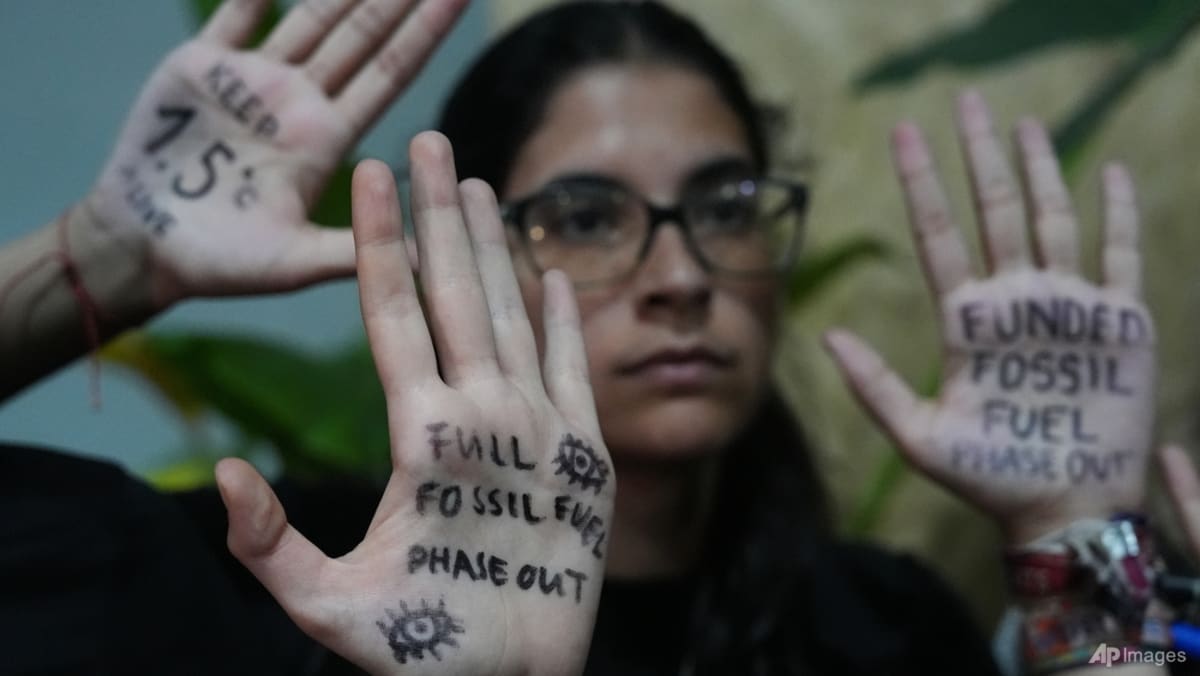
The COP30 climate summit in Brazil concluded with widespread disappointment, failing to establish a fossil fuel phase-out plan and highlighting deep divisions o
COP30 Climate Summit: A Divisive Encounter Amidst Global Climate Crisis
The recently concluded COP30 climate summit in Brazil has been widely labeled as one of the most contentious United Nations climate conferences to date, underscoring the precarious state of international climate diplomacy. Observers and analysts expressed significant disappointment, particularly concerning the summit's failure to establish a clear pathway for phasing out fossil fuels – an issue many experts deemed non-negotiable.
A Climate of Disappointment: No Fossil Fuel Phase-Out
Despite urgent global calls for accelerated climate action, COP30 concluded without addressing the critical need for a fossil fuel phase-out roadmap. This omission triggered widespread dismay among numerous countries and environmental organizations, who warned that the world is falling behind in the battle against climate change. Injy Johnstone, a research fellow, highlighted that any delay in transitioning from fossil fuels only exacerbates the crisis and exposes the limitations of the current consensus-driven process. She emphasized that a concrete roadmap could have translated political rhetoric into actionable strategies for nations.
The Widening Rich-Poor Divide: "No Money, No Talk"
Professor James Chin of the University of Tasmania pointed out that the summit's outcome further exposed the deepening chasm between wealthy and developing nations. Richer countries, he noted, remain reluctant to acknowledge their historical contributions to emissions or shoulder the financial burdens of climate mitigation. Simultaneously, developing countries grapple with escalating climate-related losses and inadequate resources for adaptation. Chin bluntly stated, "There was basically no outcome for the meeting. At the end of the day, (rich nations) refuse to pay and this is where the big divide is. Mitigation of climate change costs billions and billions, and like (the saying goes), ‘no money, no talk’."
A Decade Post-Paris: Lingering Fragility
Ten years after the landmark Paris Agreement, which aimed to cap global temperature increases at 1.5°C, there was cautious optimism for renewed commitment. Instead, COP30 emerged as exceptionally divisive. While over 80 countries advocated for a fossil fuel phase-out, their voices were largely overridden by the opposition from powerful petrostates and several major economies, underscoring the fragile nature of climate negotiations.
Skepticism Over Climate Finance Pledges
On a slightly more optimistic note, Brazil's COP30 presidency did secure a compromise deal, urging affluent nations to triple climate finance for developing countries by 2035. This funding is intended to aid adaptation efforts against rising seas, intensified storms, and extreme heat. However, analysts like Chin remain highly skeptical, dismissing the pledge as a mere "public relations exercise." He argued that similar past agreements have largely gone unfulfilled, concluding that rich nations now believe "there is very little middle ground. It is the poor countries that will ultimately pay the price."
The Absent US and China's Quiet Ascent
Another notable aspect was the absence of an official US delegation. With President Donald Trump's administration questioning climate science and promoting domestic fossil fuel production, Washington's stance, even in absence, influenced the summit's dynamics. Aaron Choo, a senior assistant director, noted that "Without a pro-environment US in the room, suddenly Russia (and) other fossil fuel producing countries are more bold in blocking certain language, declarations and frameworks." Nevertheless, the strong presence of dozens of US state and local leaders, including governors, provided a positive signal for subnational climate action.
In stark contrast, China has been quietly but steadily advancing its climate agenda. Beijing's September pledge to cut greenhouse gas emissions by 7 to 10 percent below peak levels by 2035, coupled with its position as the world’s leading supplier of clean energy technology, indicates significant ambition. Choo emphasized that China's domestic environmental concerns drive its decarbonization efforts, creating positive ripple effects globally.
The Deep-Rooted Challenge of Fossil Fuel Dependence
Analysts agree that the structural hurdles to weaning economies off fossil fuels are immense. Johnstone observed that many states are "bankrolled on fossil fuels, so it's unsurprising that any roadmap to their cessation can be seen as a challenge." Chin added that the high cost of clean energy transitions, combined with the reluctance of major emitters like the US and China to commit fully, makes expedited phase-outs difficult. The global reliance on stable oil prices, benefiting both developed and developing economies, further complicates the issue.
This stalemate has prompted an alternative international conference scheduled for next April in Colombia, co-hosted by the Netherlands. Johnstone sees this as a strong indication that if the UN system falters, other nations are prepared to step up. The overarching message remains clear: while immediate economic concerns often overshadow climate discussions, the long-term impacts of climate change will profoundly affect future generations.
By news
7 months ago
No cameras found for this country.