Sri Lanka Devastated by Deadly Floods & Landslides: 31 Killed, 14 Missing Amid Heavy Monsoon Rains & Climate Change Warnings
Nov 27, 2025
 Sri Lanka
Natural Disasters
Sri Lanka
Natural Disasters
Sri Lanka
Natural Disasters
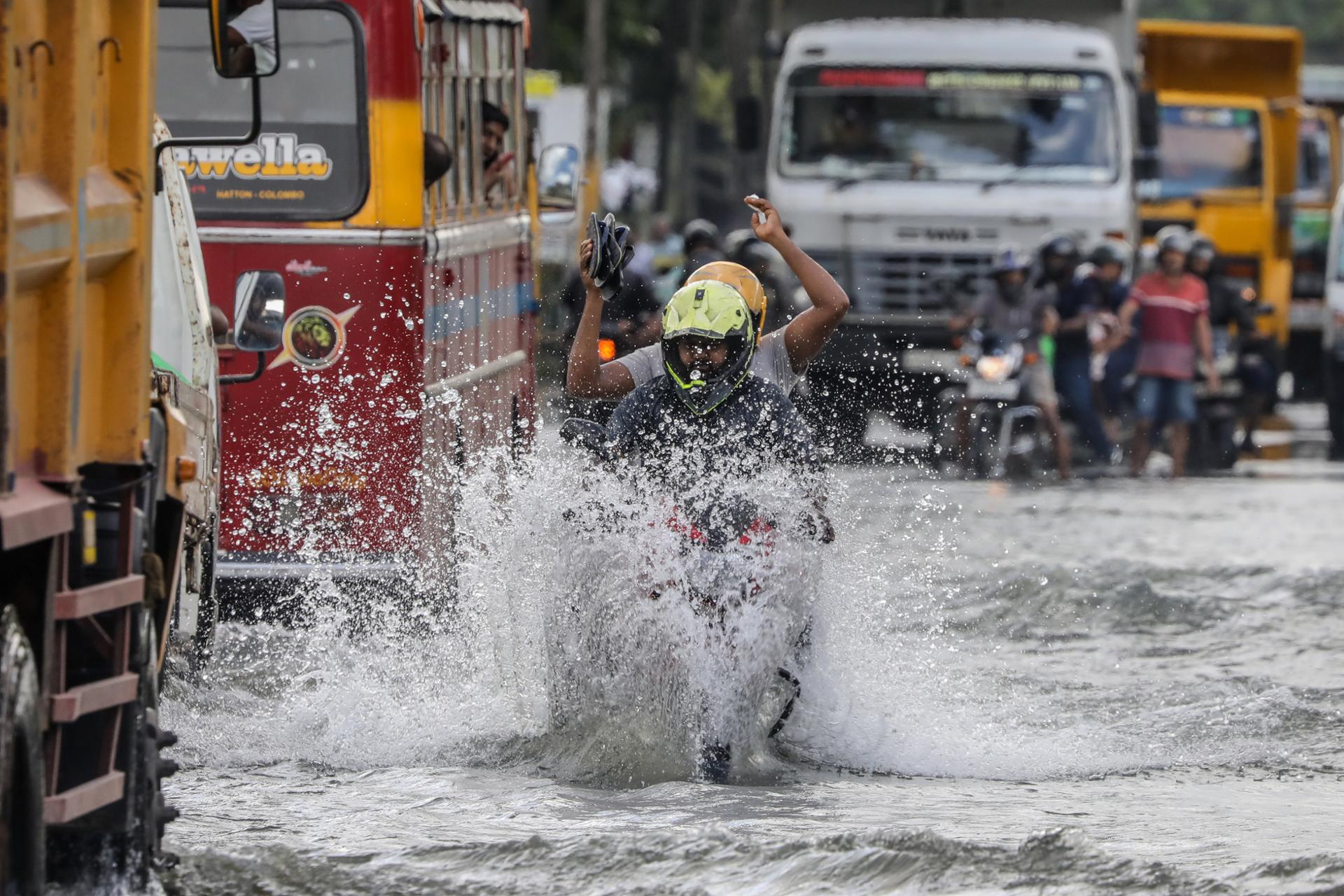
Heavy monsoon rains triggered deadly floods and landslides across Sri Lanka, killing at least 31 and leaving 14 missing. Hundreds of homes were damaged, forcing
Sri Lanka Faces Devastating Floods and Landslides: Over 30 Dead, Many Missing
Sri Lanka is grappling with the devastating aftermath of torrential downpours that have unleashed deadly floods and landslides across the island nation. Authorities reported on Thursday that at least 31 people have lost their lives, with an additional 14 individuals still missing, as heavy rains continue to batter the country.
Central Highlands Hit Hardest
The central tea-growing region bore the brunt of the disaster, particularly the Badulla district. Here, tragedy struck overnight when mountain slopes collapsed onto homes, burying 16 residents alive. A similar grim scene unfolded in the adjacent Nuwara Eliya district, where four more fatalities were recorded due to mudslides. Other regions of Sri Lanka also reported casualties.
The extensive damage extends beyond human lives. Nearly 400 homes have been significantly impacted by the mudslides, compelling over 1,100 families to seek refuge in temporary shelters. The Disaster Management Centre (DMC) issued an urgent warning, advising residents in low-lying areas to evacuate to higher ground as river levels continue to swell dangerously.
Monsoon Intensifies, Climate Concerns Rise
This intensified rainfall, part of Sri Lanka's ongoing northeast monsoon season, has been exacerbated by a low-pressure depression positioned east of the island. The meteorological department forecast over 100 millimeters of rain across the country, with some northeastern areas expected to receive an extreme 250 millimeters on Thursday alone. In response to the severe weather, the government made the decision to suspend final year school examinations nationwide for two days.
This week's tragic toll marks the highest number of weather-related deaths since June of last year, when 26 people perished in similar heavy rains. December also saw 17 lives lost to flooding and landslides. While Sri Lanka heavily relies on its seasonal monsoon for vital irrigation and hydroelectric power, environmental experts are increasingly warning that climate change is rendering the nation more susceptible to frequent and severe flooding events. The recent devastation underscores the urgent need for enhanced disaster preparedness and climate resilience strategies.
By news
7 months ago
No cameras found for this country.