China Issues Travel Warning for Japan Amid Spike in Assaults & Diplomatic Tensions Over Taiwan
Nov 27, 2025
 China
International Relations
China
International Relations
China
International Relations
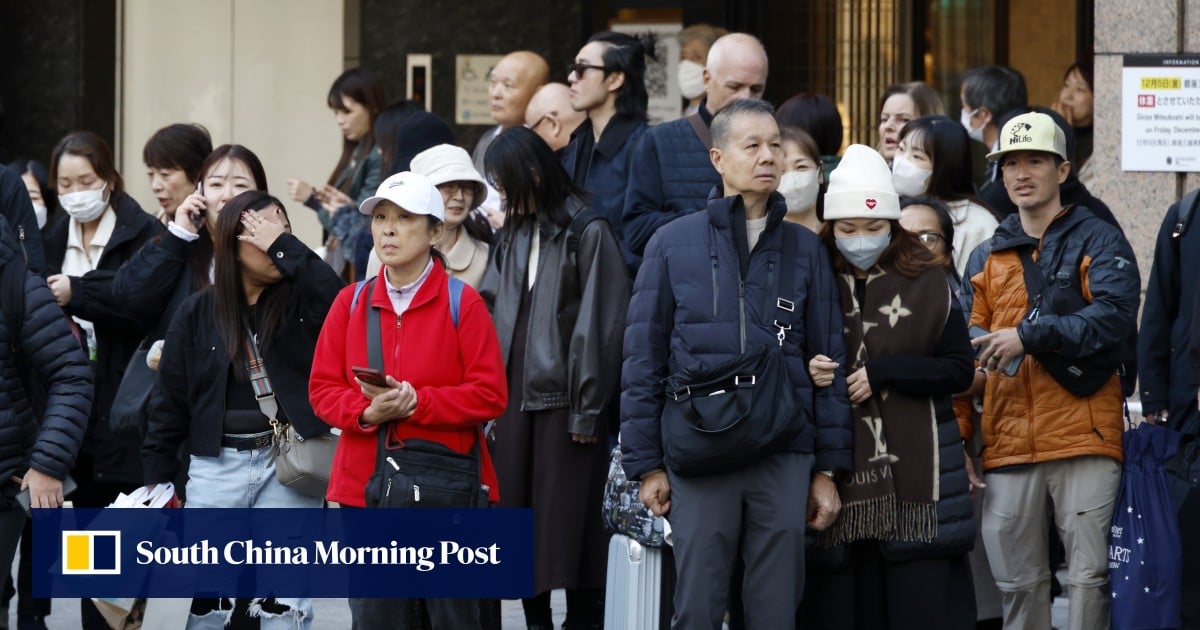
China's embassy in Japan has warned citizens to avoid travel due to a surge in assaults amid deteriorating diplomatic ties sparked by Japan's stance on Taiwan.
China Issues Urgent Travel Warning for Japan Amid Escalating Tensions and Reported Assaults
In a significant escalation of diplomatic tensions, China’s embassy in Japan has issued a stark travel advisory, urging its citizens to postpone all non-essential travel to Japan. The warning cites a "significant" increase in unprovoked assaults and discriminatory incidents targeting Chinese nationals within Japan since July.
A Spike in Safety Concerns
The security alert, disseminated via WeChat, detailed numerous reports of Chinese citizens experiencing verbal abuse, physical assaults, and injuries without apparent cause. This surge in safety concerns forms a backdrop to already strained bilateral relations between China and Japan, which have plummeted to their lowest point in recent memory.
Taiwan Dispute Fuels Diplomatic Crisis
The current diplomatic fallout intensified following remarks made by Japanese Prime Minister Sanae Takaichi on November 7. Takaichi suggested that Tokyo would be justified in invoking "collective self-defence" alongside allied nations should a conflict erupt over Taiwan. Beijing staunchly considers Taiwan an integral part of its territory, asserting its right to reunification, potentially by force if necessary. While many nations, including the United States and Japan, do not officially recognize Taiwan as an independent state, Washington has consistently opposed any forceful takeover of the self-governed island and remains committed to supplying it with defensive weaponry.
Beijing reacted swiftly and vehemently to Takaichi's comments, lodging repeated official protests and branding her remarks as "extremely erroneous and extremely dangerous." Despite the strong condemnation, Prime Minister Takaichi has firmly refused to retract her statements.
Broader Diplomatic Repercussions
Beyond the travel advisory, China has implemented several other measures in response to the deteriorating ties. These include advising Chinese citizens against pursuing studies in Japan, imposing a halt on seafood imports from the country, and canceling various intergovernmental exchanges and cultural events. These actions collectively underscore the depth of the current diplomatic crisis impacting the two Asian powers.
By news
7 months ago
No cameras found for this country.