Pope Leo XIV Embarks on Landmark First Foreign Trip to Turkey for Peace & Christian Unity
Nov 27, 2025
 Turkey
World News
Turkey
World News
Turkey
World News
Pope Leo XIV visits Turkey for his first foreign trip, meeting President Erdogan, fostering Christian unity at the Council of Nicaea anniversary, and promoting
Pope Leo XIV Begins Historic First Foreign Visit to Turkey
Pope Leo XIV has commenced his inaugural foreign visit in Turkey, following in the footsteps of his predecessor, Pope Francis. The trip aims to commemorate a significant Orthodox anniversary and deliver a crucial message of peace amid global tensions.
Arrival in Ankara & Key Meetings
The pontiff arrived in Ankara on Thursday, initiating a tightly packed schedule. Highlights include a high-profile meeting with President Recep Tayyip Erdogan and an address to the country's diplomatic corps. These engagements underscore the political and diplomatic dimensions of his visit.
Following his commitments in the capital, Pope Leo is slated to travel to Istanbul. There, he will participate in a three-day series of ecumenical and interfaith dialogues, before concluding this leg of his journey with a visit to Lebanon.
Turkey's Role in Global Peace Efforts
Pope Leo's visit arrives at a time when Turkey is actively positioning itself as a vital mediator in international conflicts, particularly the war in Ukraine and the volatile situation in the Middle East, including Gaza. Ankara has hosted discussions between Russia and Ukraine and has offered to contribute to a stabilization force in Gaza to help maintain a fragile ceasefire. It is anticipated that Pope Leo will commend these diplomatic efforts in his public statements.
With a population exceeding 85 million, predominantly Sunni Muslim, and possessing NATO's second-largest army after the U.S., Turkey's strategic importance is undeniable. This growing influence draws Western leaders closer to President Erdogan, even as critics express concerns over domestic political actions.
Local Perspectives & Economic Concerns
Despite the international significance of the Pope's visit, local interest in Turkey appears somewhat subdued, particularly outside the nation's small Christian community. Many Turks are more focused on the ongoing cost-of-living crisis, a pressing domestic issue stemming from political changes. Some citizens speculated the visit might be aimed at advancing U.S. interests or advocating for the reopening of a Greek Orthodox religious seminary, a contentious issue related to religious freedoms.
Marking the Council of Nicaea & Christian Unity
A central reason for Pope Leo's journey is the 1,700th anniversary of the Council of Nicaea, Christianity's first ecumenical council. The Pope will join Ecumenical Patriarch Bartholomew, the spiritual leader of global Orthodox Christians, in prayer at the historic site of the 325 AD gathering, now known as Iznik in northwestern Turkey. A joint declaration will be signed, serving as a powerful symbol of Christian unity, bridging divisions that have persisted since the Great Schism of 1054.
Strengthening Muslim-Christian Ties
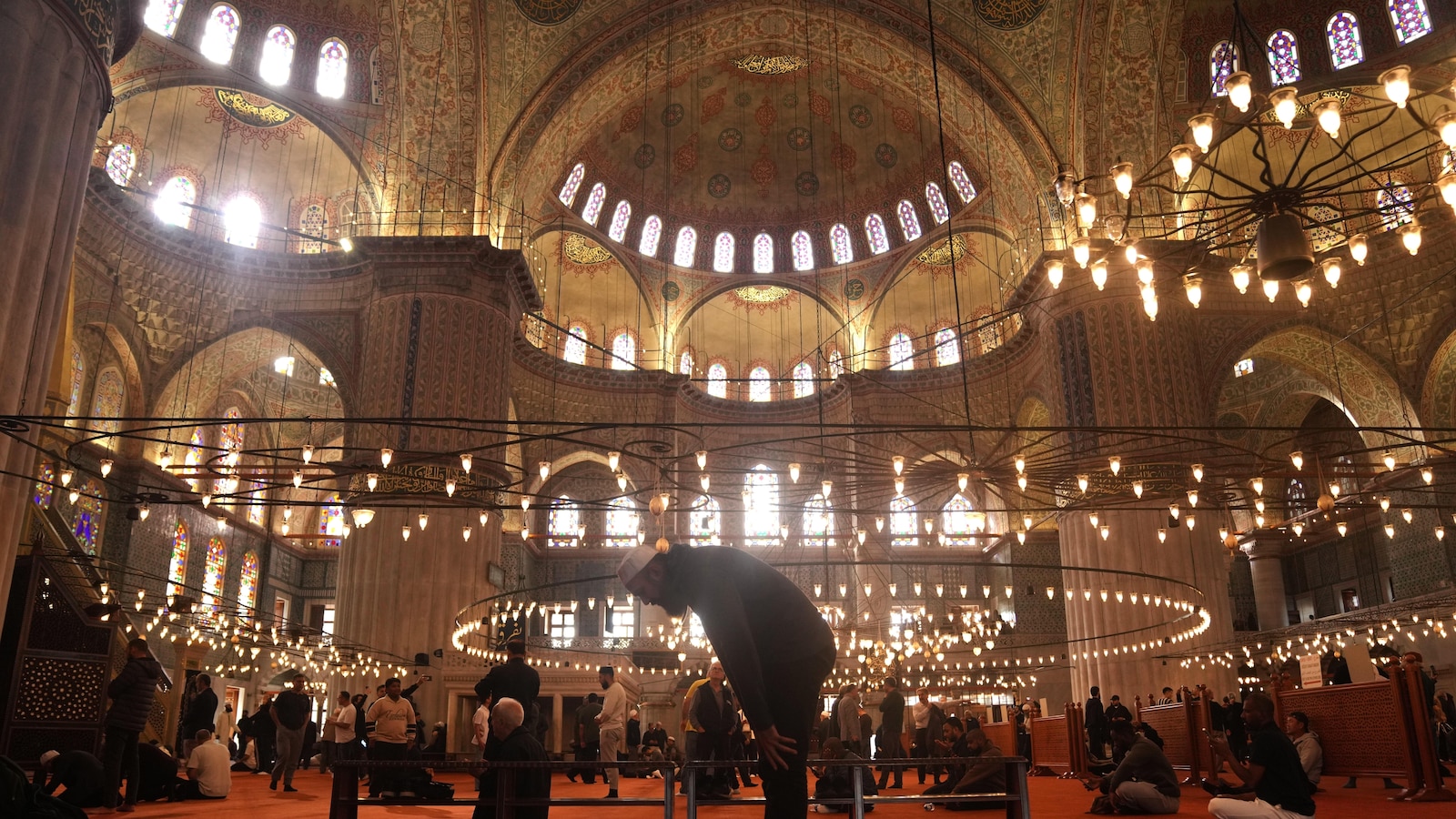
Beyond fostering Christian unity, the visit aims to reinforce relations between the Catholic Church and the Muslim world. Pope Leo is scheduled to visit the revered Blue Mosque and preside over an interfaith meeting in Istanbul. Asgın Tunca, an imam at the Blue Mosque, emphasized that the visit offers a valuable opportunity to advance Christian-Muslim understanding and dispel common prejudices about Islam through the demonstration of hospitality, a core religious principle.
While Erdogan's government has enacted reforms to improve religious group rights, including property returns and opening places of worship, a U.S. State Department report notes that some Christian groups still face bureaucratic challenges in registering churches. The Catholic Church in Turkey, with around 33,000 members, lacks formal legal recognition, which Rev. Paolo Pugliese of the Capuchin friars described as "the source of many problems," though its international profile provides a degree of support.
A Diplomatic Tightrope: The Armenian Question
A particularly sensitive segment of the Pope's itinerary will be his visit to the Armenian Apostolic Cathedral in Istanbul on Sunday. This echoes visits by previous popes, though Pope Francis's 2015 declaration labeling the Ottoman Turks' actions against Armenians as "the first genocide of the 20th century" led to a significant diplomatic fallout with Turkey. Pope Leo, known for his more cautious public statements, will likely avoid using such terms on Turkish soil to prevent a diplomatic incident. The Vatican is also navigating delicate relations with Armenia following recent overtures to Azerbaijan.
By news
7 months ago
No cameras found for this country.