Moore Threads IPO Ignites China's Homegrown GPU Ambition with 4000x Investor Demand for AI Chips
Nov 27, 2025
 China
Technology
China
Technology
China
Technology
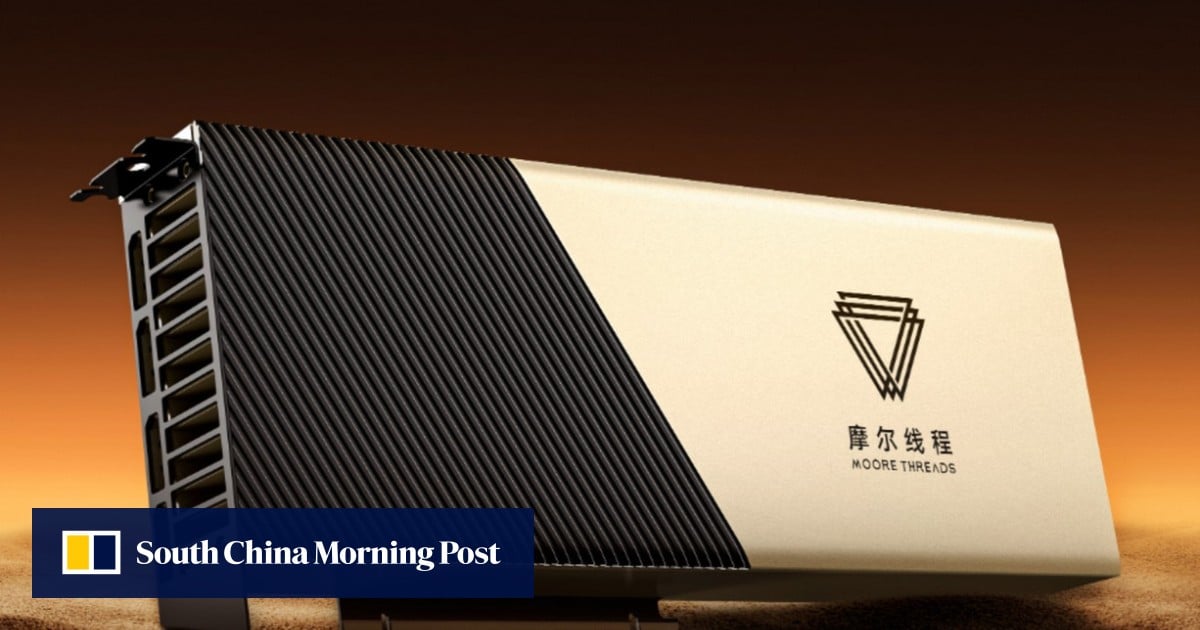
Chinese GPU maker Moore Threads' IPO saw over 4,000 times subscription from retail investors, raising 8 billion yuan. This highlights China's push for homegrown
Moore Threads IPO Frenzy Highlights China's AI Chip Self-Sufficiency Drive
The global race for artificial intelligence (AI) dominance is intensifying, and nowhere is this more evident than in China's fervent pursuit of homegrown semiconductor technology. A recent testament to this ambition is the overwhelming investor response to the initial public offering (IPO) of Beijing-based graphics processing unit (GPU) manufacturer, Moore Threads.
Unprecedented Investor Demand
This week, Moore Threads' IPO witnessed an unprecedented frenzy, with retail investor subscriptions soaring over 4,000 times the available shares. This remarkable demand underscores China's strategic imperative to develop domestic alternatives to foreign-made chips, particularly those from industry giants like Nvidia. The enthusiasm is expected to fast-track the listing plans for other notable domestic GPU developers, including MetaX and Biren Technology.
The broader market reflects this sentiment, with Shanghai-listed AI chipmaker Cambricon Technologies seeing its share price double in 2025, becoming one of the city's most coveted stocks.
IPO Details and Valuation
Moore Threads, a company backed by major tech players like Tencent Holdings and ByteDance, launched its lottery-style subscriptions on Monday at an IPO price of 114.28 yuan per share. The staggering oversubscription led to a minuscule final allotment rate of just 0.036 percent for retail investors, as disclosed in a recent company filing.
Operating on Shanghai’s Nasdaq-style Star Market, the IPO structure ensures proportionate allocations for qualified institutional investors, while retail participants vie for shares via a lucky draw system. Through this process, Moore Threads successfully raised approximately 8 billion yuan, achieving a market valuation of 53.7 billion yuan. The official debut date for the company's shares is currently pending finalization.
This investor stampede for Moore Threads is a clear indicator of the robust confidence in China's domestic semiconductor industry and its long-term vision to achieve self-sufficiency in critical AI chip technology.
By news
6 months ago
No cameras found for this country.