
Published: November 28, 2025
US-South Korea Drills Escalate Tensions, Pyongyang Responds
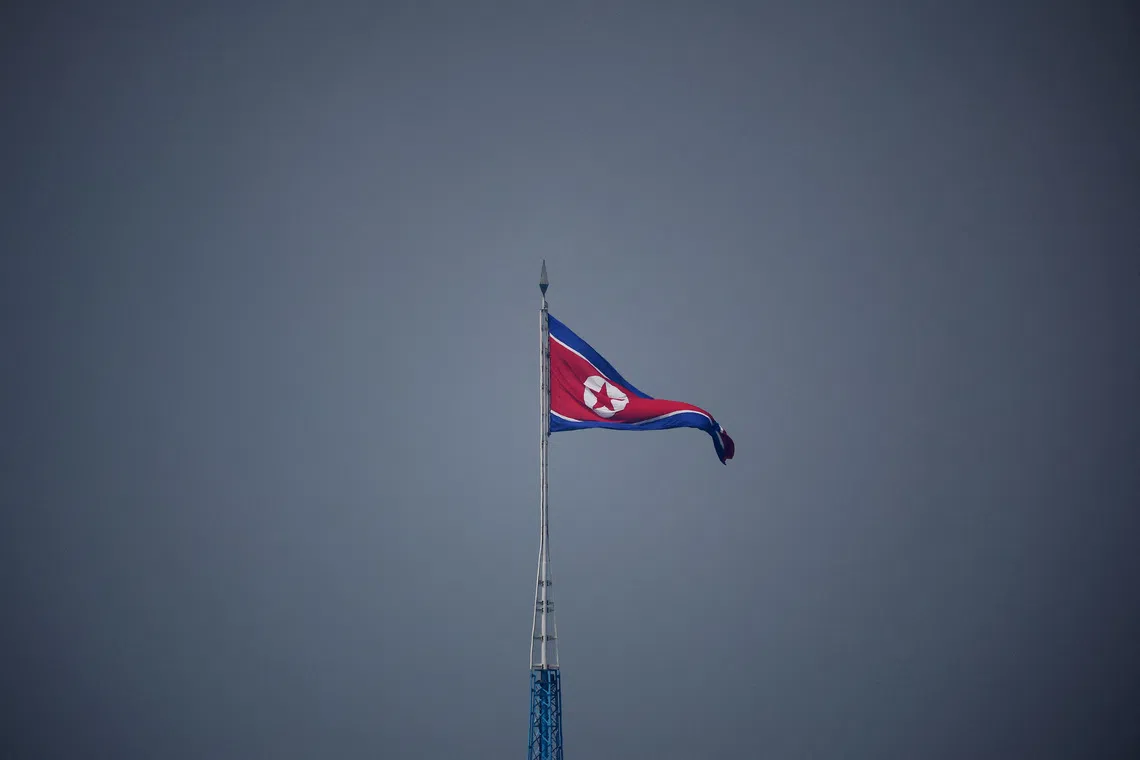
The latest series of joint military exercises between South Korea and the United States are perceived by North Korea as a direct act of intimidation. According to the North's official state news agency, KCNA, these drills are explicitly designed to deter Pyongyang, further highlighting the deep-seated friction on the Korean Peninsula.
Advanced Military Assets Deployed
The allied forces engaged in a diverse range of maneuvers, with notable naval operations taking place near the South Korean port city of Pyeongtaek. KCNA detailed the mobilization of sophisticated weaponry, including a guided missile destroyer and advanced anti-submarine helicopters, showcasing the significant military capabilities involved. Beyond naval operations, the United States also deployed its F-16 fighter jets to key airbases in both South Korea and Japan. KCNA explicitly stated that these deployments were intended to deter not only North Korea but also other regional countries "by force."
North Korea's Strong Accusation
In a sharp condemnation, KCNA contended that it is the United States that is actively "threatening the peace and stability and destroying the strategic security balance" in the region. This strong rhetoric emerges against a backdrop of ongoing diplomatic efforts by Seoul to foster greater stability.
Seoul's Call for De-escalation and Unanswered Dialogue
Earlier in the week, South Korean President Lee Jae Myung articulated a desire for a potential shift in strategy. He suggested that it "would be better" for the allied nations to cease joint military drills once a firm and enduring peace regime is successfully established on the peninsula. This reflects Seoul's broader initiative to reduce regional tensions.
Adding to these diplomatic overtures, South Korea had, more than a week prior, put forth a proposal for discussions with North Korea. The core objective of these proposed talks was to delineate a clear boundary along the Military Demarcation Line (MDL), an effort aimed at preventing potential armed clashes in the highly sensitive border area. However, Pyongyang has remained silent, offering no response or acknowledgment of this crucial proposal. The current scenario, characterized by continued military displays and a lack of dialogue from the North, underscores the persistent complexities facing peace and stability in Northeast Asia.