Japan's Unprecedented Bear Attack Surge Drives New Insurance and Safety Initiatives
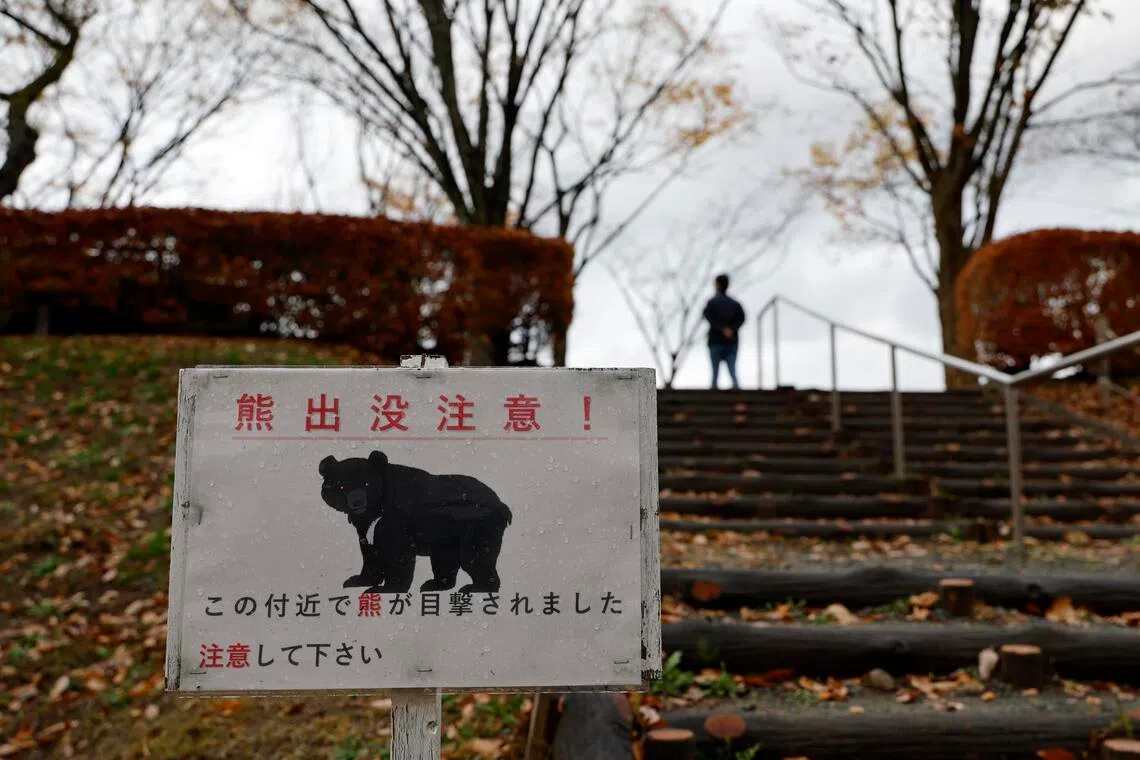
Japan is currently grappling with an unprecedented surge in bear attacks, leading to a record number of fatalities and prompting a swift, multi-faceted response from both the insurance sector and the government. Since April 2025, a grim tally of 13 lives has been lost, with 197 people injured and over 20,000 bear sightings recorded across the nation. This escalating threat has become a daily concern for residents, tourists, and farmers alike, significantly impacting leisure and hospitality businesses.
Insurers Respond to Emerging Risks
The severity of the situation has opened new avenues for insurers. Tokio Marine & Nichido Fire Insurance, for instance, unveiled a novel policy on November 28 specifically designed to protect businesses affected by bear intrusions. This innovative product caters to hotel and leisure facility operators, offering coverage for lost profits and the essential costs associated with enhancing safety protocols to mitigate future risks.
The human toll of these encounters is stark. In October, the Asahi newspaper reported the tragic discovery of a man's body in Iwate prefecture, believed to have been a victim of a bear attack while maintaining an outdoor hot spring bath. The widespread nature of the danger has even led the US and UK embassies to issue travel advisories, cautioning their citizens about the heightened risk of bear encounters in Japan.
Broader Support and Global Implications
Beyond individual and business insurance, broader support systems are emerging. A division of MS&AD Insurance Group Holdings is assisting municipal governments by subsidizing emergency bear hunt operations, with costs beginning at 300,000 yen (approximately S$2,488). Recognizing the global implications, Hong Kong-based Blue Cross (Asia Pacific) Insurance Limited has also expanded its travel insurance offerings to include additional coverage for bear attacks. Citing climate change and habitat shifts as contributing factors to increased wildlife encounters, Blue Cross now provides an extra HK$3,000 (S$500) cash allowance for insured travelers who suffer an attack in destinations like Japan.
Government Countermeasures Take Shape
In response to the crisis, the Japanese government approved a comprehensive package of countermeasures on November 14. These measures include the deployment of government-trained hunters, authorization for police to utilize rifles in response to threats, and expanded financial aid for local authorities to bolster their prevention and response capabilities. This concerted effort underscores the urgency with which Japan is addressing this growing challenge to public safety and its environment.