France Agrees to Intercept Small Boats in English Channel After UK Pressure, Bolstering Deterrence Efforts
Nov 28, 2025
 United Kingdom
Politics
United Kingdom
Politics
United Kingdom
Politics
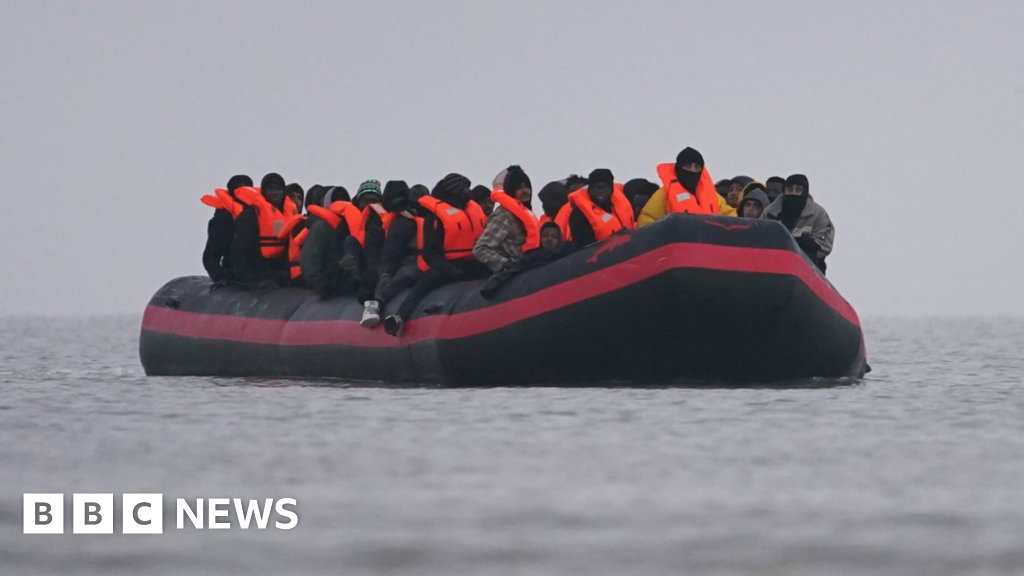
France will now intercept small boats in the English Channel before passengers board, following UK pressure. PM Starmer urged the move due to a lack of deterren
France to Intercept Small Boats in Channel After UK Pressure
A significant policy shift has been announced by France regarding the interception of small boats in the English Channel. This change comes after sustained pressure from the United Kingdom, aiming to curb illegal crossings. The push for a more proactive stance culminated in a direct communication from UK Prime Minister Sir Keir Starmer to French President Emmanuel Macron, where Starmer highlighted the current absence of an "effective deterrent" in the Channel, as reported by Le Monde.
New Policy Details and Safety Concerns
Historically, French maritime police have been hesitant to intervene directly with overcrowded vessels at sea, primarily due to the considerable safety risks posed to both officers and the migrants themselves. However, the new agreement signifies a crucial departure from this previous approach. French security forces will now be authorized to stop small boats at sea, specifically before they have picked up passengers from the northern French coastline.
A spokesperson for the French maritime police confirmed this revised policy to the BBC, emphasizing that all interventions will be conducted with the paramount objective of safeguarding human life. Importantly, the spokesperson explicitly ruled out the use of aggressive tactics such as nets to foul boat propellers, a method that Le Monde had previously speculated might be employed.
Past Incidents and Future Challenges
This decision represents a substantial step forward, building on a brief, more aggressive enforcement period witnessed earlier this summer under former Interior Minister Bruno Retailleau, which subsequently subsided upon his departure from government. An incident in July, preceding a summit between Sir Keir and President Macron, saw BBC journalists observe French police wading into the sea south of Boulogne to slash the sides of a boat, underscoring the earlier, tougher stance.
While French authorities are now empowered to intercept boats before they embark migrant passengers from the beaches, the precise operational methods for stopping these vessels at sea are yet to be fully clarified. The immediate implementation of these interceptions is currently being delayed by adverse weather conditions, particularly strong winds. Furthermore, people-smuggling gangs, renowned for their adaptability, are expected to rapidly devise new strategies to circumvent these enhanced enforcement measures. Both the UK Home Office and Downing Street have been approached for their official comments on these recent developments, as this policy seeks to address the ongoing challenges of illegal immigration across the English Channel, a persistent and often debated issue in UK political discourse.
By news
7 months ago