Hungary's Orban Meets Putin in Moscow Amid EU Tensions Over Ukraine War & Critical Energy Deals
Nov 28, 2025
 Hungary
International Politics
Hungary
International Politics
Hungary
International Politics
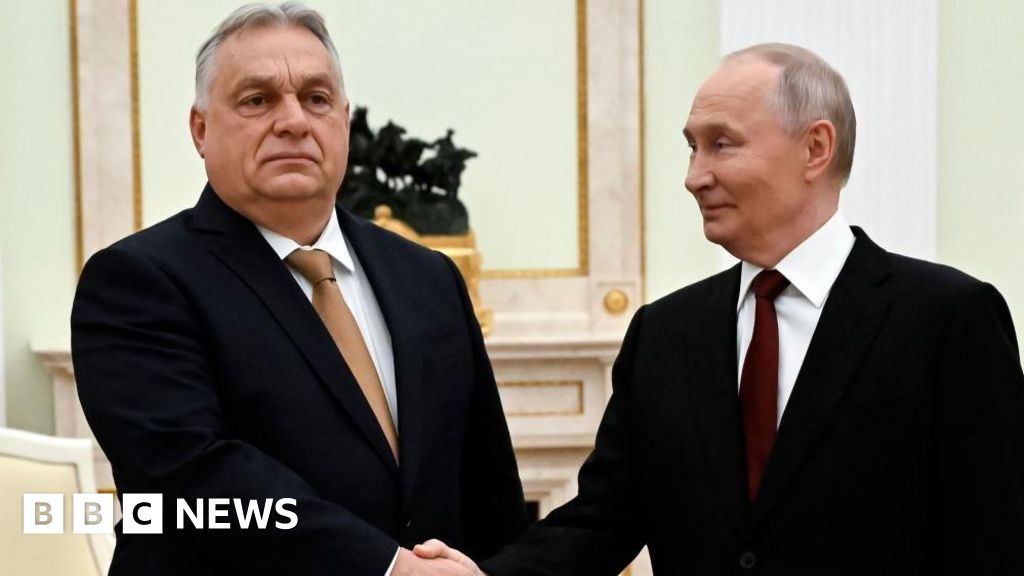
Hungarian PM Viktor Orban met Vladimir Putin in Moscow, sparking EU concern. Orban seeks Russian energy deals, defies allies on Ukraine, and faces elections, le
Hungarian Leader Viktor Orban Defies EU Allies, Holds Talks with Putin in Moscow
In a move that has once again highlighted Hungarian Prime Minister Viktor Orban's distinct foreign policy path, he recently met with Russian President Vladimir Putin in Moscow. This high-profile encounter occurred just days before crucial talks are slated to address the U.S. push for a resolution to the conflict in Ukraine.
The Moscow Meeting and Geopolitical Context
Orban, often regarded as one of Putin's closest European counterparts, has frequently drawn criticism from his NATO and EU allies by consistently undermining collective solidarity against Russia's actions. During their discussions, President Putin reportedly acknowledged Orban's "balanced position on the situation in Ukraine," a sentiment conveyed by Russian state media. Putin also expressed gratitude for Budapest's earlier proposal to host a potential Russia-U.S. summit involving former President Donald Trump. According to Putin, Trump had indicated, "We have good relations with Hungary, you have good relations with Viktor, and I do too, so I suggest this option." While this Budapest "peace summit" concept was initially floated, it was ultimately abandoned, allegedly due to Russia's unwillingness to compromise on its maximalist demands regarding the Ukraine war.
Orban's Domestic and International Balancing Act
This diplomatic maneuver comes at a critical juncture for Orban's Fidesz party, which faces parliamentary elections in April. Polls suggest a potential defeat for the first time in 15 years, adding a layer of domestic political pressure to his international engagements.
Orban, whose last visit to Moscow was in July 2024, has been a consistent challenger of EU efforts to curb European reliance on Russian oil and gas. He framed his recent visit as a strategic step to secure Russian energy supplies for the upcoming winter, not only for Hungary but also for Slovakia and Serbia. Earlier this month, during a visit to Washington, he successfully negotiated an exemption from U.S. sanctions on Russian fuel, albeit contingent on his continued tenure as prime minister.
"Peace" Rhetoric and EU Friction
Since Russia's full-scale invasion of Ukraine in 2022, Orban has consistently positioned himself as a proponent of peace. Speaking on Hungarian state radio last week, he asserted that "Europe has decided to go to war in Ukraine." He has been a strong supporter of Trump's 28-point peace plan to end the conflict. Amidst the intense diplomatic discussions following its emergence, the Orban government and its aligned media outlets have accused EU leaders of "war-mongering" for attempting to modify the plan to incorporate Ukraine's objections.
During the Kremlin meeting, Orban was joined by senior Russian officials, including Putin aide Yuri Ushakov, a key member of Russia's negotiating team with the U.S. In a recent letter to European Commission President Ursula von der Leyen, Orban advocated for immediate, unconditional peace talks and direct EU negotiations with the Kremlin. He also reiterated his opposition to further EU financial aid for Ukraine and rejected the use of frozen Russian assets to fund Ukrainian defense efforts.
Energy Dependence and Future Implications
With minimal indications of Russian flexibility on Ukraine, Orban's immediate focus appears to be firmly on energy security. While Hungary has made recent deals in Washington to purchase U.S. liquefied natural gas (LNG) and nuclear fuel, which will reduce its reliance on Russian sources, these moves could potentially strain relations with his Russian hosts. Orban contends that without agreements with both the U.S. and Russia, heating costs in Hungary could triple next month.
Hungary currently imports over 80% of its oil and gas and 100% of its nuclear fuel from Russia, with total Hungarian trade contributing approximately $5 billion annually to the Russian budget. Despite EU pressure to cease all Russian energy imports by 2027, any new agreement secured in Moscow would likely embolden Hungary to continue its defiance of Brussels. It is clear that a "deal" in Moscow serves mutual interests; much like Trump, Putin has publicly expressed his desire for Orban's victory in the upcoming April elections, making another diplomatic "triumph" beneficial for both leaders, and potentially shaping the future geopolitical landscape.
By news
7 months ago
No cameras found for this country.