
South Africa Pivots from US Amid Diplomatic Strain, Eyes Asia and Europe for Economic Future
South Africa is strategically reorienting its foreign economic policy, actively pursuing new trade and investment opportunities across Asia, with a particular focus on China, and Europe. This significant shift comes amidst a rapid deterioration of its diplomatic and economic ties with the United States.
Escalating Diplomatic Tensions with the US
The strain in relations was starkly evident during the recent Group of 20 (G20) summit in Johannesburg, which saw a notable boycott by the US. Washington's stated reason for the boycott was an accusation against Pretoria of persecuting Afrikaner farmers, a situation it controversially labeled “white genocide.” The South African government has vehemently denied these claims.
The diplomatic rift deepened further when US President Donald Trump announced that South Africa would not be invited to the upcoming G20 talks in Miami next year. Pretoria condemned this decision as “regrettable,” asserting its sovereign right as a founding G20 member to attend and attributing the US stance to “misinformation and distortions.”
Economic Challenges and Strategic Diversification
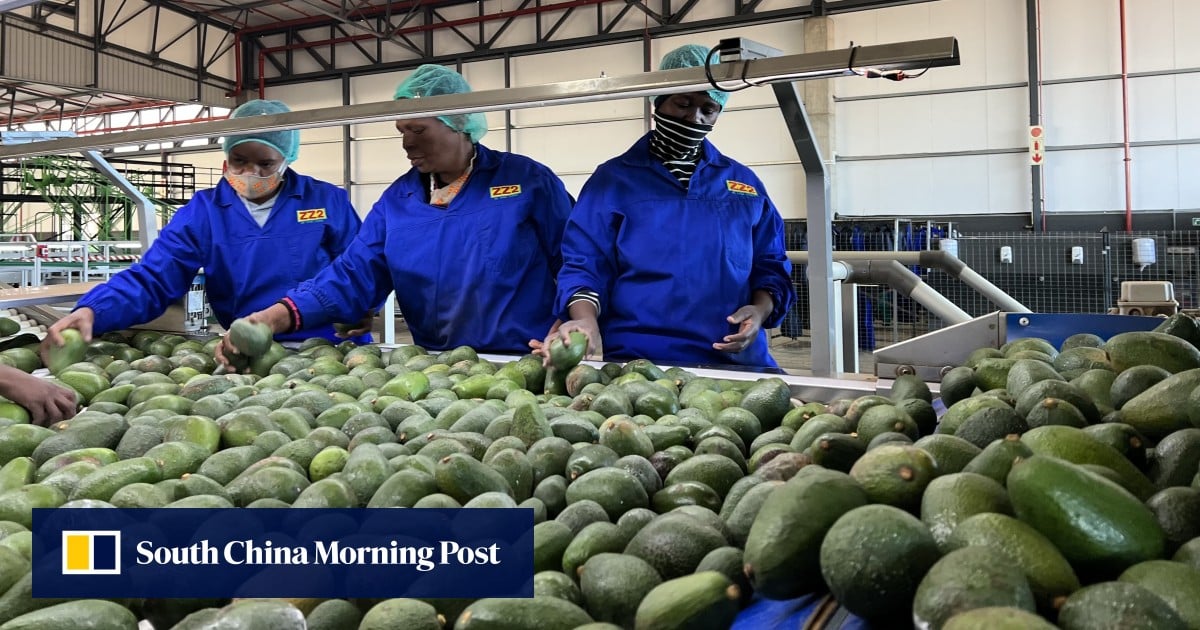
Economically, South Africa has also faced challenges from its relationship with the US. Just two months prior to these events, the African Growth and Opportunity Act (AGOA), a key US trade initiative that granted duty-free access for many South African exports, expired. Compounding this, the US has imposed a 30 percent tariff on various South African exports. These tariffs have had a detrimental impact on vital sectors, including farms, vehicle and car parts manufacturers, and mining companies, severely hurting their ability to compete in the American market.
In response to these escalating pressures and to mitigate its reliance on the US, South Africa is now determined to bolster its “economic diplomacy.” The nation is proactively exploring and cultivating new export markets and seeking foreign direct investment in dynamic regions like Asia, which includes expanding its engagement with China, and throughout Europe. This strategic diversification is seen as a crucial step for South Africa to ensure its economic stability and growth in a rapidly evolving global landscape, with China poised to be a significant beneficiary of this pivot.