Venezuelans Anxiously Prepare for Potential U.S. Attack Amidst Rising Geopolitical Tensions & Uncertainty
Nov 29, 2025
 Venezuela
Geopolitics
Venezuela
Geopolitics
Venezuela
Geopolitics
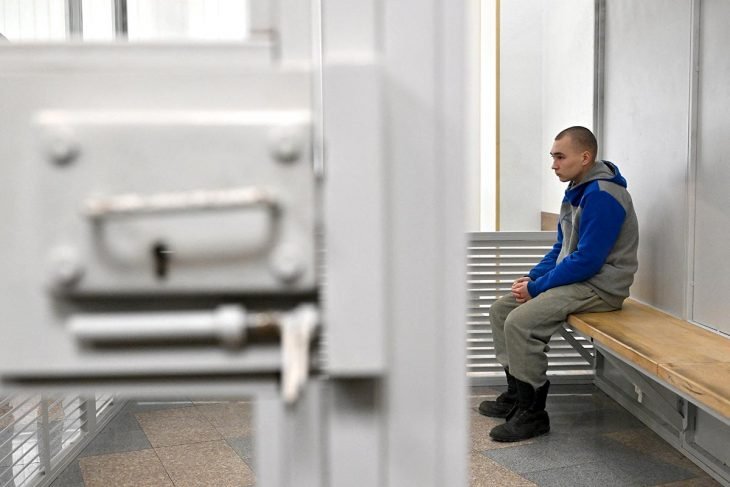
Venezuelans grapple with anxious anticipation, initiating preparations for a potential U.S. attack. The nation faces uncertainty amidst rising geopolitical tens
The Paradox of Preparation: Venezuela's Stance Against Perceived U.S. Threat
Note: The original article content could not be retrieved due to a connection timeout. The following analysis and unique content are based solely on the provided title: "Hurry up and wait: Venezuelans try to prepare for U.S. attack."
The phrase "hurry up and wait" perfectly encapsulates the tense and uncertain atmosphere that appears to be gripping Venezuela. As suggested by the headline, the nation finds itself in a peculiar state of limbo, where the anticipation of a potential U.S. military intervention has prompted widespread, albeit anxious, preparations. This isn't just about military readiness; it’s a societal phenomenon affecting public sentiment, political discourse, and daily life in a country already grappling with significant challenges.
Civilian Readiness and Government Rhetoric
For many Venezuelans, the perceived threat of a foreign attack, particularly from the United States, is a deeply serious matter. This sentiment is often fueled by official government rhetoric, which frequently portrays the U.S. as an imperialist power aiming to destabilize the region or effect regime change. In response, there might be initiatives encouraging civilian participation in defense drills, community organization for emergency response, and a general emphasis on national unity and resilience.
The "hurry up" aspect implies a flurry of activity: military exercises, the stockpiling of essential goods where possible, and a heightened state of alert. Citizens might be urged to prepare their homes, learn first aid, or participate in local defense committees. This active preparation, however, exists alongside the "wait"—a period of prolonged uncertainty, where the threat remains abstract yet omnipresent.
Living in Limbo: The Psychological Toll
The constant state of anticipation can take a significant psychological toll. Families might debate whether to stay or seek refuge elsewhere, economic decisions are complicated by instability, and the general mood can oscillate between defiance and apprehension. This perpetual state of readiness without a clear timeline for action can be exhausting, leading to a sense of fatalism or, conversely, a hardening of resolve.
International observers often view such preparations through different lenses. Some might see them as legitimate defensive measures by a sovereign nation under threat, while others might interpret them as a propaganda tool by the government to rally support and distract from internal issues. Regardless of the perspective, the human element—the ordinary Venezuelans trying to navigate this complex reality—remains at the core.
Geopolitical Implications and the Path Forward
A potential U.S. intervention in Venezuela would have profound geopolitical consequences, not just for the two nations involved, but for the wider Latin American region and international relations. The current situation highlights the intricate web of diplomacy, economic sanctions, and strategic posturing that characterizes modern global politics. For Venezuela, the immediate future is defined by this delicate balance between preparing for the worst and hoping for continued peace, all while living under the cloud of a perceived impending conflict.
By news
7 months ago
No cameras found for this country.