Sri Lanka Appeals for Global Aid as Cyclone Ditwah Death Toll Hits 132 & Thousands Displaced Amid Devastating Floods
Nov 29, 2025
 Sri Lanka
Natural Disasters & Aid
Sri Lanka
Natural Disasters & Aid
Sri Lanka
Natural Disasters & Aid
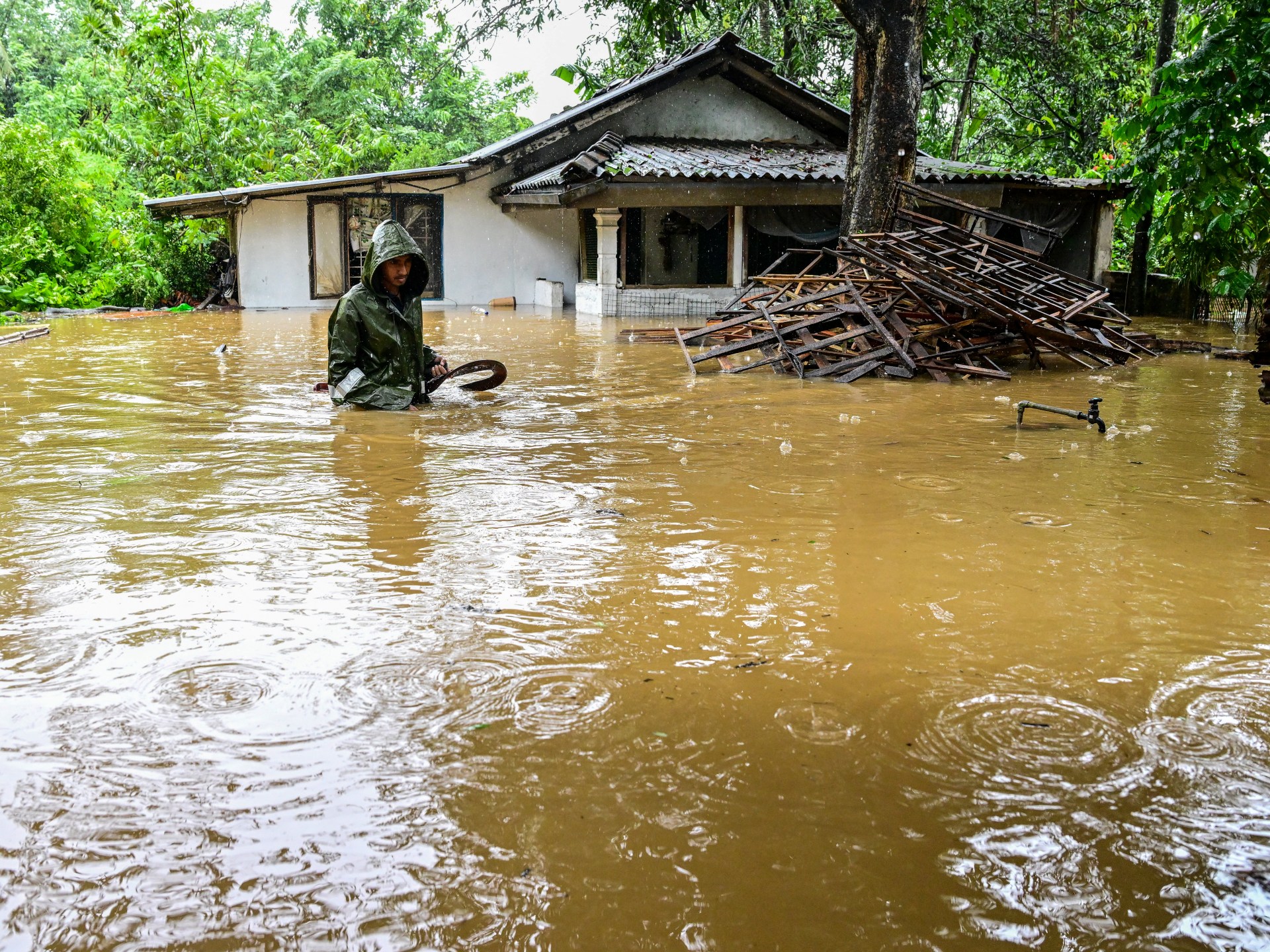
Sri Lanka faces a humanitarian crisis as Cyclone Ditwah leaves 132 dead, 176 missing, and 15,000 homes destroyed. The nation seeks global aid for nearly half a
Sri Lanka Plunges into Crisis: Cyclone Ditwah Leaves 132 Dead, Thousands Displaced Amid Plea for Global Aid
Sri Lanka is grappling with a severe humanitarian crisis in the wake of Cyclone Ditwah, which has unleashed devastating floods and landslides across the island nation. The official death toll has tragically climbed to 132, with an additional 176 individuals still reported missing, igniting fears that the final count could rise further. The powerful weather system has left a trail of destruction, annihilating nearly 15,000 homes and forcing approximately 44,000 people to seek refuge in temporary shelters established by the state, according to the Disaster Management Centre (DMC).
A Nation Submerged and Stranded
While Cyclone Ditwah itself has begun to track towards neighboring India, its destructive aftermath continues to plague Sri Lanka. The central district of Kandy, situated 115km (70 miles) east of the capital Colombo, has been particularly hard-hit by fresh landslides, rendering main access roads impassable in multiple locations due to overwhelming floodwaters. The capital region itself has not been spared; the Kelani River, a major waterway flowing into the Indian Ocean from Colombo, burst its banks on Friday evening, prompting urgent evacuation orders for hundreds of residents in its vicinity who subsequently relocated to temporary shelters.
Mahesh Gunasekara, the secretary-general of the Sri Lanka Red Cross Society, painted a grim picture, noting that countless individuals remain trapped in various flood-stricken areas, awaiting rescue. "Relief needs have been escalating dramatically. Even two days after the initial deluge, water levels continue to swell," Gunasekara stated, underscoring the ongoing peril despite the cyclone's slow departure. He emphasized, "Although the cyclone is slowly moving away from the country, it is not over for us yet."
Intensified Rescue and Global Plea
In response to the escalating crisis, the DMC Director-General, Sampath Kotuwegoda, confirmed that relief operations have been significantly bolstered. Thousands of personnel from the army, navy, and air force have been deployed to assist with rescue efforts and distribute aid, a testament to the scale of the emergency.
Recognizing the immense challenge, the Sri Lankan government has issued an urgent appeal for international assistance. Prime Minister Harini Amarasuriya reportedly engaged with Colombo-based diplomats, briefing them on the dire situation and soliciting support from their respective governments. Furthermore, the government has called upon Sri Lankan expatriates worldwide to contribute through cash donations, aiming to support the nearly half a million people severely affected by the disaster.
India Leads International Response
India has swiftly responded to its neighbor's plight, becoming the first nation to offer tangible aid. Two planeloads of essential relief supplies have already arrived, and an Indian warship, which was fortuitously in Colombo on a pre-scheduled goodwill visit, generously donated its rations to aid the victims. Indian Prime Minister Narendra Modi conveyed his deep condolences to Sri Lanka, affirming New Delhi's readiness to provide further assistance. "We stand ready to provide more aid and assistance as the situation evolves," Modi declared on X, signaling continued support.
Lingering Impact and Historical Context
While many parts of Sri Lanka, including the capital, experienced an easing of rainfall on Saturday, the northern regions of the island continue to battle showers – a lingering effect of Cyclone Ditwah. DMC officials are grimly predicting that the current flood levels could surpass those witnessed in 2016, a year when 71 lives were lost nationwide due to similar weather events. This week's casualty figures mark the highest weather-related death toll since June of the previous year, when heavy rains claimed 26 lives. In December of the same year, another 17 fatalities resulted from flooding and landslides, highlighting a recurring vulnerability to extreme weather patterns. The current crisis serves as a stark reminder of Sri Lanka's ongoing struggle against the forces of nature and the critical need for resilient infrastructure and proactive disaster management strategies.
By news
7 months ago
No cameras found for this country.