Gaza Aid Vanishes: Unpacking the 'Bermuda Triangle' of Humanitarian Shipments Amidst Conflict & Governance Collapse
Nov 30, 2025
 Palestinian Territory Occupied
Humanitarian Crisis
Palestinian Territory Occupied
Humanitarian Crisis
Palestinian Territory Occupied
Humanitarian Crisis
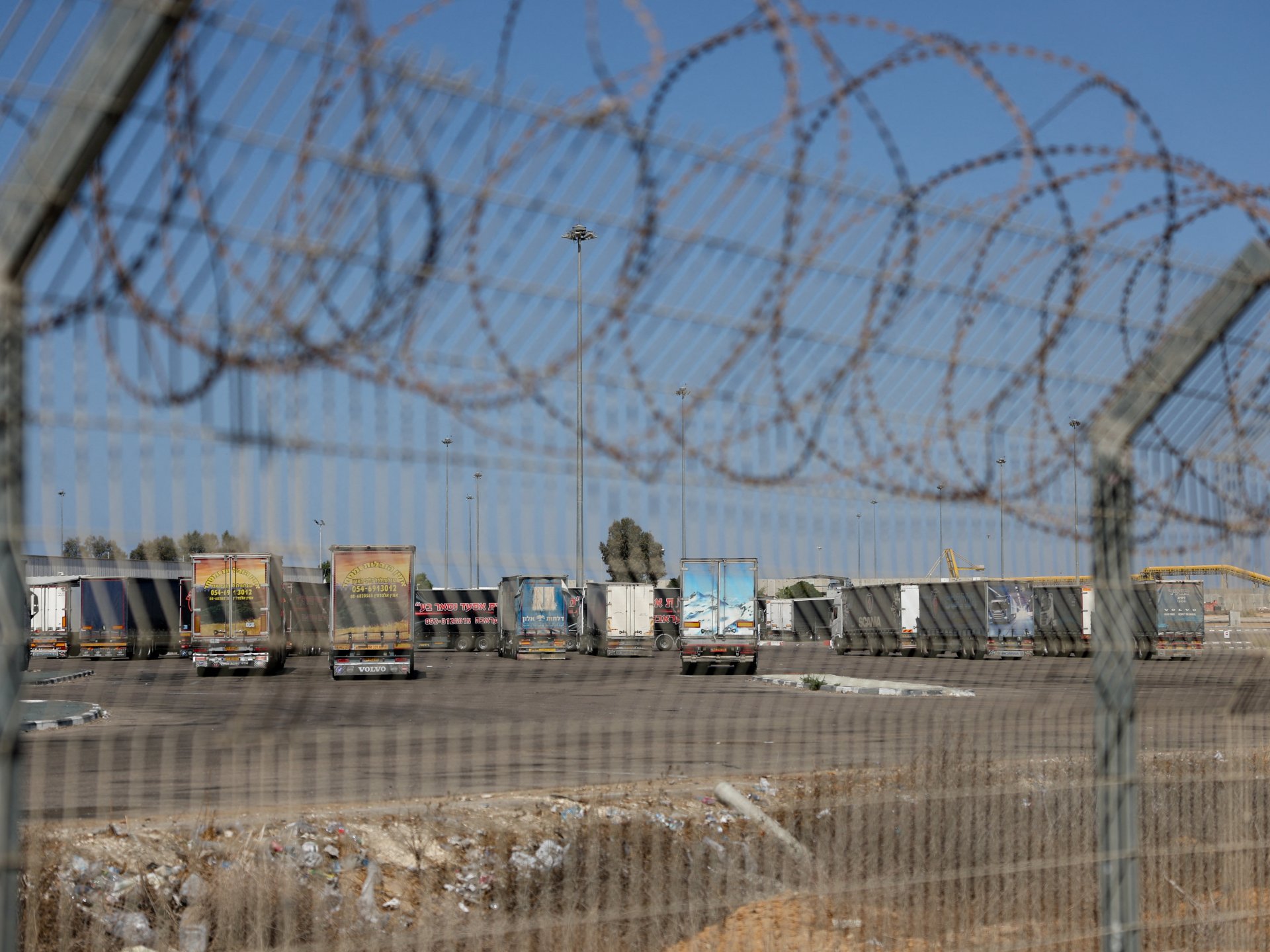
Despite a Gaza ceasefire, humanitarian aid shipments frequently disappear between border crossings and distribution points. Official counts conflict with on-gro
The sands of Gaza have swallowed more than just promises since the ceasefire. Over a month and a half after a truce was declared, what was supposed to be a lifeline of humanitarian aid—600 trucks daily carrying food, medicine, tents, and fuel—is largely vanishing into what locals call Gaza’s "Bermuda Triangle."
While Israeli authorities boast of thousands of trucks entering weekly and millions of tons of food, the reality on the ground paints a starkly different, and increasingly desperate, picture. Official reports from November 26 claimed over 16,600 food trucks and 370,000 tons of food had entered since the ceasefire. Yet, for many Palestinians, their plates remain empty.
This discrepancy raises serious questions. What Israel counts as "food" often includes low-nutritional items like chocolate bars or exorbitantly priced goods such as frozen chicken at $25 a kilo. Humanitarian organizations concur: the World Food Programme reports only half the required food aid reaches Gaza, while Palestinian relief agencies suggest merely a quarter makes it in. And even then, only a fraction of that fraction arrives at the hands of the displaced, injured, and hungry.
The Vanishing Act: Inside Gaza's Aid "Bermuda Triangle"
The term "Bermuda Triangle" isn't a hyperbolic flourish; it describes a harsh reality. The seemingly short distance between border crossings and displacement camps transforms into a treacherous journey, fraught with political and security challenges. Trucks laden with vital supplies frequently disappear, leaving families without the promised provisions. Locals report seeing aid trucks enter, hearing announcements of tons of flour, but never witnessing these supplies reach their communities. Instead, labeled "Humanitarian Aid Not for Sale," these items mysteriously surface in local markets, often at exorbitant prices. One account mentions cans of chicken meat, clearly marked for humanitarian distribution, being sold for $15. Even direct aid parcels often arrive incomplete, with vital items missing.
This isn't merely a matter of common corruption; it's a symptom of a systemic collapse. Two years of conflict have decimated Gaza’s governance and institutions, leaving a vacuum of authority. Public order and security have crumbled. The UN's own aid monitoring mechanism confirms the scale of the problem: between May 19 and November 29, out of 8,035 aid trucks destined for Gaza, a staggering 7,127 were "intercepted" either "peacefully" or "forcefully."
A Perilous Journey: Why Aid Doesn't Reach
The journey for aid trucks is deliberately made perilous. Israeli army restrictions often force convoys onto dangerous routes. Some roads are impassable without coordination with influential local families or neighborhood committees, while others fall under the control of various armed groups. What should be a short trip of a few dozen kilometers becomes an incredibly fragile process, easy to disrupt.
International organizations face severe limitations. The inherent dangers prevent staff from accompanying trucks or supervising real-time unloading. Insufficient personnel make tracking every shipment impossible. Their dependence on local committees and volunteers, while necessary, creates a system riddled with vulnerabilities that different parties exploit.
Who Benefits from the Disappearance?
The question of who profits from this dire situation reveals a complex web of actors:
- Opportunistic Merchants: Seeking quick gains from essential goods.
- Local Armed Groups: Leveraging aid for financial resources.
- The Occupation and its Allies: Accused of using hunger as a tool of political pressure, perpetuating collective punishment.
These entities, wittingly or unwittingly, benefit from the suffering of ordinary Palestinians.
The alarming truth is that global attention has waned since the ceasefire, falsely reassured that the crisis is over. This normalization of aid disappearance within policy circles is dangerous; it is not a natural byproduct of conflict but an engineered crisis. As the world continues to look away, it is not just humanitarian trucks that vanish into Gaza’s "Bermuda Triangle," but also the resilience and hope of the Palestinian people themselves.
By news
8 months ago