Ukraine Escalates Black Sea War: Naval Drones Strike Russian 'Shadow Fleet' Oil Tankers & Novorossiysk Port
Nov 30, 2025
 Ukraine
War & Conflict
Ukraine
War & Conflict
Ukraine
War & Conflict
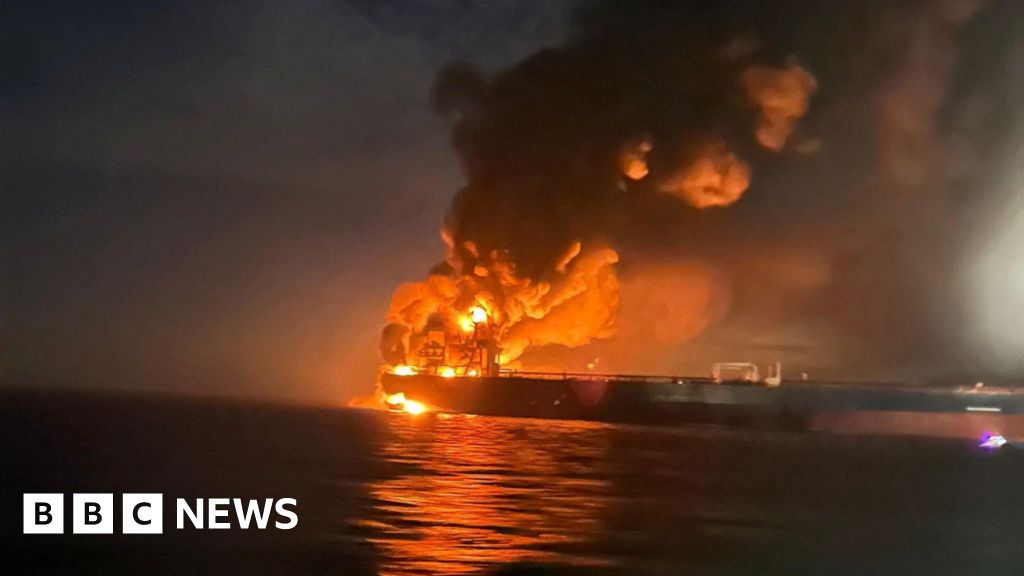
Ukrainian naval drones hit Russian 'shadow fleet' oil tankers in the Black Sea, intensifying efforts to disrupt oil revenues. A port in Novorossiysk was also at
Ukrainian Naval Drones Target Russian Oil Tankers in Black Sea Escalation
Ukraine has significantly escalated its operations in the Black Sea, deploying naval drones to strike two oil tankers belonging to Russia's elusive "shadow fleet." These attacks, confirmed by Ukrainian officials and verified footage, saw uncrewed surface vessels (USVs) detonate upon impact, engulfing the ships in flames and sending plumes of black smoke skyward.
Shadow Fleet Tankers Hit Off Turkish Coast
The targeted vessels, identified by Turkish authorities as the Kairos and the Virat, are both flagged to Gambia. The incidents occurred off the Turkish coast, with the Kairos reportedly struck on Friday and the Virat experiencing a second hit on Saturday. Fortunately, no casualties were reported from either attack.
These strikes mark a clear intensification of Kyiv's strategy to cripple Russia's oil revenues, a vital source of funding for its ongoing war in Ukraine. The "shadow fleet" refers to hundreds of aged tankers, often with opaque ownership and insurance, that Russia utilizes to circumvent Western sanctions imposed following its full-scale invasion in 2022. Both the Kairos and Virat are listed among ships subject to international sanctions, according to London Stock Exchange data.
Sources from BBC Ukrainian indicate that the attacks were carried out by "Sea Baby" drones, a specialized naval drone developed by Ukraine's security services (SBU). Turkish authorities provided assistance to the stricken vessels, with footage showing their boats actively battling the fires on the Kairos.
The attacks serve as a stark warning from Ukraine: any vessel transporting Russian oil in the Black Sea is now considered a potential direct target, not just subject to economic sanctions.
Further Disruptions: Novorossiysk Port Hit
In a related development, a major consortium responsible for transporting oil from the Caspian region announced the suspension of loading operations at the Russian Black Sea port of Novorossiysk. This decision followed an overnight attack by unmanned boats which reportedly caused substantial damage to a crucial mooring point. The Caspian Pipeline Consortium, which includes major stakeholders like Russia and Kazakhstan alongside Western firms such as ExxonMobil, Chevron, and Shell, confirmed the disruption.
Diplomatic Maneuvers Amidst Conflict
Meanwhile, amidst these military escalations, Ukrainian President Volodymyr Zelensky confirmed that a delegation, led by top security official Rustem Umerov, is en route to the United States. Their mission is to continue discussions aimed at securing an agreement to end the conflict. Umerov's appointment to lead the delegation comes after the resignation of the previous chief negotiator, Andriy Yermak, Zelensky's influential chief of staff, whose apartment was searched by anti-corruption detectives on Friday. The Ukrainian delegation is slated to meet American officials in Florida on Sunday.
Separately, Steve Witkoff, an overseas envoy for former US President Donald Trump, is scheduled to hold talks in Moscow next week, adding another layer to the complex diplomatic landscape surrounding the conflict.
By news
8 months ago
No cameras found for this country.