Kyrgyzstan Snap Election: Japarov Consolidates Power Amidst Crackdown, Economic Growth & No Opposition
Nov 30, 2025
 Kyrgyzstan
Politics
Kyrgyzstan
Politics
Kyrgyzstan
Politics
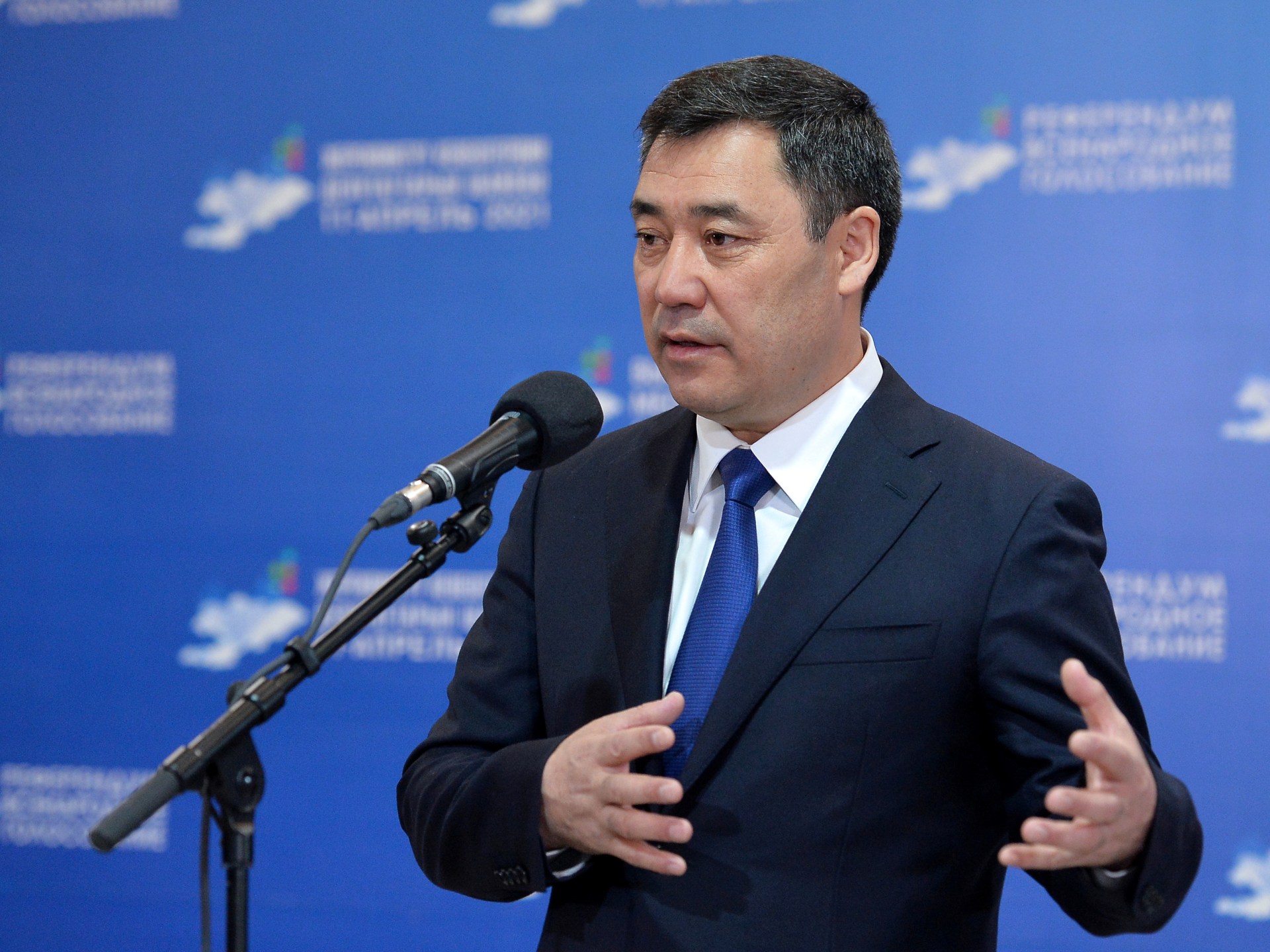
Kyrgyzstan holds a snap parliamentary election expected to solidify President Sadyr Japarov's power amidst a media crackdown and absence of opposition. Economic
Kyrgyzstan's Snap Election: A Foregone Conclusion as Japarov's Power Grows
As Kyrgyzstan goes to the polls for a snap parliamentary election, the outcome appears largely predetermined: a resounding victory for allies of President Sadyr Japarov. This election, notably devoid of formal opposition parties or organized dissent, is poised to further cement Japarov's already firm grip on power, a control he has systematically established since 2020.
The Erosion of Democratic Traditions
Traditionally recognized as Central Asia's most democratic nation, Kyrgyzstan has undergone a significant transformation under Japarov's populist and nationalist leadership. His ascent to power in 2020, following widespread protests, ushered in an era marked by a stringent crackdown on independent media and opposition groups. This shift stands in stark contrast to the country's turbulent post-Soviet history, which saw leaders overthrown in 2005, 2010, and 2020 amid accusations of rigged elections and a vibrant, free press that once thrived in the region.
Rejecting the 'Western Model' for Stability
Deputy Prime Minister Edil Baisalov, a close confidant of Japarov, articulates the government's rationale, suggesting that the president's popularity stems from a rejection of past decades' instability. Baisalov argues that Kyrgyzstan's attempt to adopt a "Westminster-style parliamentary system" for 30 years failed to improve living standards or provide stability. He justifies the media crackdown, which has seen independent journalists labeled "extremists," as necessary to protect the nation from what he terms "negative sentiments fanned by foreign social media platforms."
Economic Boom and Russian Ties
Despite rising inflation and electricity shortages impacting daily life, Japarov's administration benefits from robust economic growth, the fastest in Central Asia. Experts attribute a significant portion of this economic boom to Kyrgyzstan's role as a crucial clearinghouse for goods rerouted to Russia, circumventing Western sanctions imposed over the war in Ukraine. This has, in turn, led to Western countries sanctioning several Kyrgyz banks and cryptocurrency firms for facilitating Russian sanctions evasion.
In the lead-up to the election, Japarov has openly embraced stronger ties with Russia, a nation with military bases in Kyrgyzstan and a significant destination for Kyrgyz migrant workers. Russian President Vladimir Putin's recent visit to Bishkek, marked by his image on city billboards, underscores this burgeoning alliance.
A Clear Path Ahead for Japarov
With around 80 percent of the parliament expected to be re-elected, predominantly Japarov's allies, the stage is set for a presidential election in 2027 where Japarov is anticipated to seek another term, further solidifying his enduring political dominance.
By news
9 months ago
No cameras found for this country.