
Sabah Voters Prioritize Local Autonomy, Reshaping Malaysian Politics
The recent Sabah state election has delivered a powerful message from voters, highlighting a growing preference for local parties over national coalitions. While initially anticipated to result in a fragmented assembly requiring complex negotiations, the outcome instead revealed a united electorate keen on asserting regional autonomy and challenging federal influence.
GRS Secures Victory, Hajiji Noor Begins Second Term
Gabungan Rakyat Sabah (GRS), under the leadership of Chairman Hajiji Noor, emerged victorious, securing 29 seats. This placed them ahead of their main competitor, Parti Warisan, which managed to win 25 seats. Following this clear mandate, Datuk Seri Hajiji Noor was promptly sworn in for his second term as Chief Minister, ensuring continuity in the state's leadership.
Anwar's Coalition Struggles, Future Elections in Question
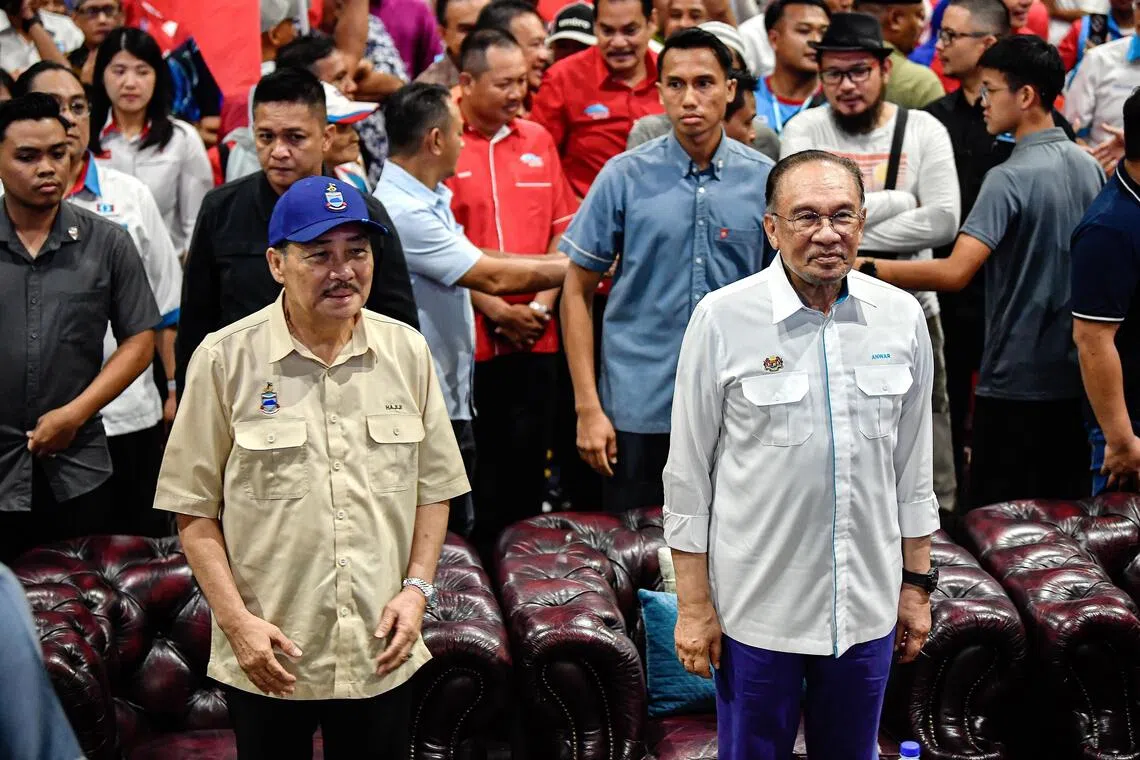
A notable aspect of the election was the struggle faced by national political parties, including Prime Minister Anwar Ibrahim's Pakatan Harapan (PH) coalition. PH secured a mere single seat, a stark indicator of the strong anti-federal and pro-autonomy sentiments prevalent among Sabahans. This performance is a significant concern for PM Anwar, as it casts a shadow over the potential support for his coalition in upcoming state elections across other key Malaysian states such as Sarawak, Melaka, and Johor. The Sabah results underscore a broader trend of regional identity gaining precedence in Malaysian electoral politics, potentially reshaping the national political landscape.