
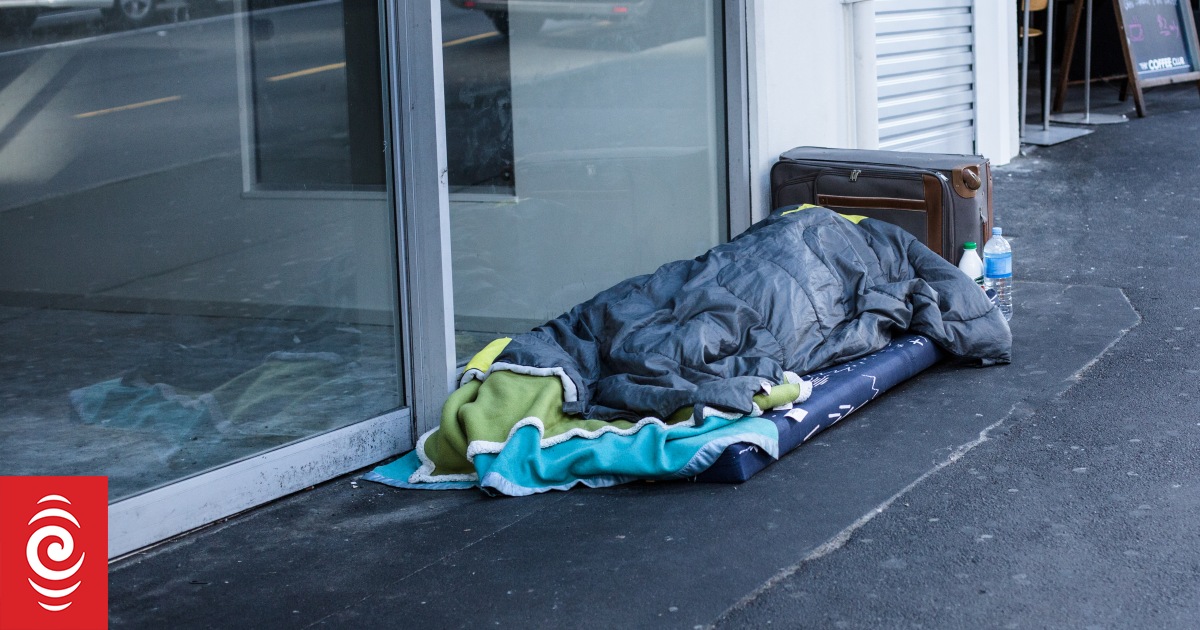
Auckland's Hidden Crisis: Shocking Rise in Child Homelessness Revealed
Auckland, New Zealand – A grim reality is unfolding on the streets of Auckland, as the youth homelessness support service Kick Back releases its inaugural "State of the Street" report, an urgent plea to both the government and the wider community. The report paints a stark picture of a growing crisis, revealing an alarming number of young people, including children under 16, forced to sleep rough or in precarious conditions.
Unexpected Numbers Among the Youngest
Aaron Hendry, general manager of Kick Back, expressed profound concern over the findings, particularly the unexpectedly high prevalence of very young children experiencing homelessness. "What we've observed is children couch-surfing, sleeping in and out of transitional housing or hostels, moving around constantly," Hendry stated, highlighting the instability faced by these vulnerable youth.
This detailed report, a first of its kind for Kick Back, presents undeniable and distressing figures:
- 22% of young individuals seeking support were found to be sleeping rough.
- Another 22% were "couch-surfing," lacking a stable home and constantly moving between temporary accommodations.
- 12% resorted to sleeping in vehicles, a dangerous and often overlooked form of homelessness.
- A significant 27% lived in housing classified as unstable, overcrowded, or insecure.
Further breakdowns reveal the tender age of those affected: 62% of all young people approaching Kick Back for help were under 19 years old. Within this group, 20% were 16 or 17, and a startling 17% were aged 15 or under. This last figure particularly shocked Hendry, who admitted, "It was much larger than we'd first anticipated."
Cuts to Public Services Blamed for Worsening Crisis
Hendry attributes part of this escalating crisis to recent public and community sector cuts, which he believes have reduced the capacity to adequately support vulnerable children. He emphasizes the critical lack of resources for children in situations like couch-surfing, car-sleeping, or constantly cycling through transitional accommodations. "Our feeling is that there has been less capacity within the community to respond at the pace that these children require to ensure their safety and to get the support that they need," he explained, unequivocally calling it a "growing crisis."
Kick Back's Urgent Call to Action
To address this urgent situation, Kick Back's report outlines several key recommendations for immediate action by the government:
- Reverse Emergency Housing Reforms: Advocate for an end to current emergency housing policies and prioritize investment in immediate, stable housing solutions.
- Implement "Duty to Assist" Legislation: Establish clear legal obligations for the state to provide essential support to individuals at risk of homelessness.
- Prevent Transition to Homelessness from State Care: Introduce legislation to ensure young people are not discharged from state care directly into homelessness.
- Review Youth Services Contract: Ensure providers are well-equipped to offer intensive support to young people (rangatahi) receiving Youth Payment.
- Increase Public Housing Stock: Commit to building more public housing units to meet the demand.
Kick Back stresses the critical need for a coordinated government and community response to safeguard New Zealand's vulnerable youth, whose numbers on the street are far greater than previously imagined, demanding immediate attention and systemic change.