Coupang Data Breach: Founder Bom Kim Criticized for Lack of Accountability & Governance Issues in South Korea
Dec 1, 2025
 South Korea
Corporate Governance
South Korea
Corporate Governance
South Korea
Corporate Governance
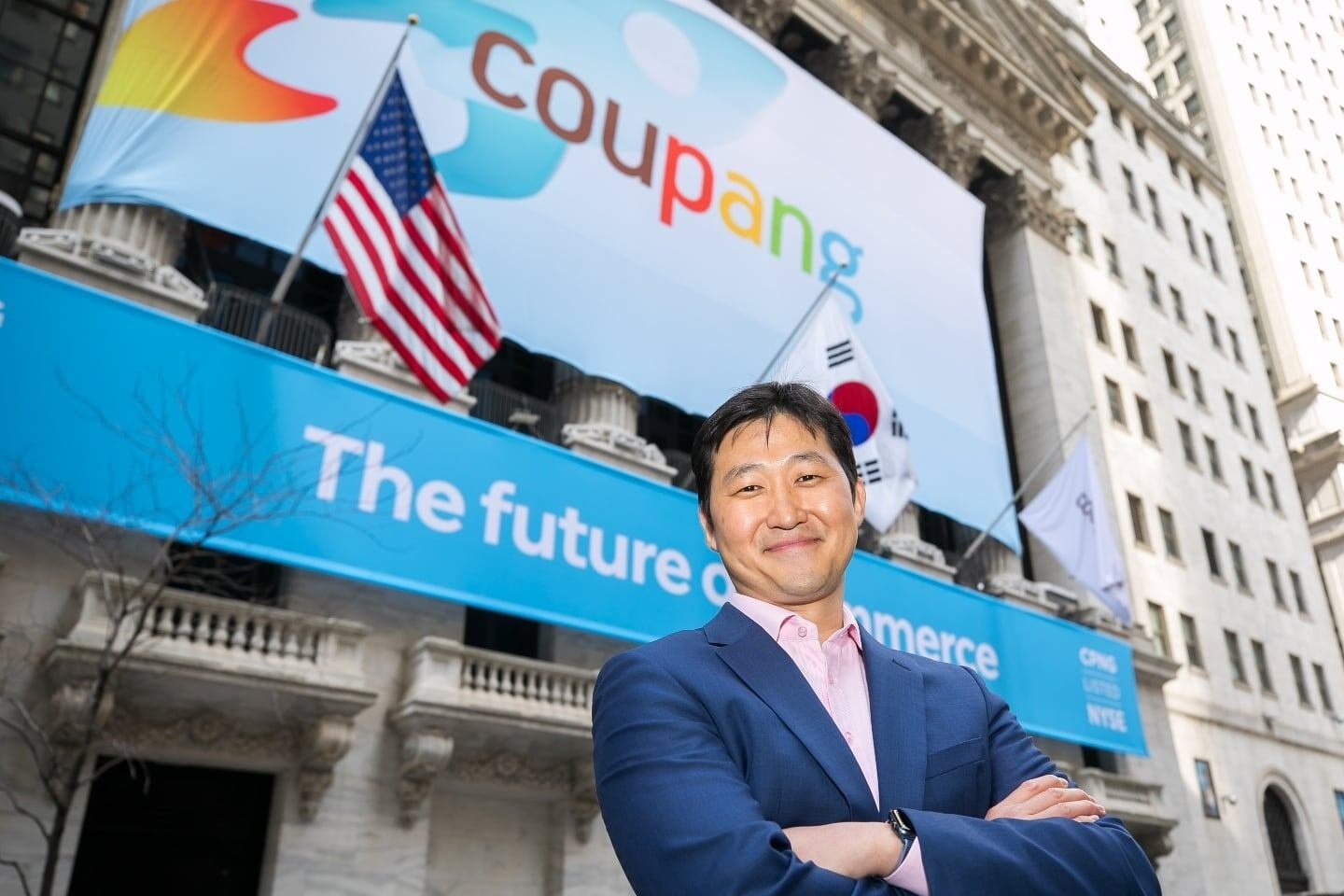
Coupang founder Bom Kim faces criticism for his absence during a massive data breach affecting 33.7 million Koreans. His dual-class share structure insulates hi
Coupang Founder Bom Kim Under Scrutiny Amid Massive Data Breach and Governance Concerns
South Korean e-commerce giant Coupang is embroiled in a significant controversy following a massive data breach that exposed the personal information of 33.7 million customers, nearly 65% of the nation's population. Despite the widespread public outrage and calls for accountability, the company's founder and de facto head, Bom Kim (also known as Kim Bom-suk), has remained conspicuously absent from the public discourse surrounding the incident. This absence has ignited a fierce debate over Coupang's ownership and governance structure, which critics argue allows Kim to maintain dominant control while sidestepping responsibility for major corporate crises.
A Crisis of Accountability
While public anger mounts, it was Park Dae-jun, CEO of Coupang Corp. (Coupang Korea), who issued an apology on Sunday. He vowed the company would cooperate with authorities and review its data security systems. However, the lack of a direct response from Bom Kim, who posed in front of the New York Stock Exchange on the day Coupang was listed, has drawn sharp criticism. Online forums, including a major one on Naver, are rapidly organizing for a potential class-action lawsuit, with membership surpassing 70,000. Lawmakers are also demanding stricter oversight and personal accountability.
Coupang's responses thus far have been overseen by Park, a government affairs specialist appointed co-CEO in 2020. Kim notably resigned from Coupang Corp.'s board in 2021 after a tragic fire at a logistics center in Gyeonggi Province claimed a firefighter's life, further fueling perceptions of his detachment from direct corporate responsibilities in Korea.
The Power of Dual-Class Shares
The heart of the governance issue lies in Coupang's unique dual-class share structure. As a Korean American entrepreneur, Bom Kim controls Coupang Inc., a Delaware-based entity listed on the New York Stock Exchange, as its CEO and board chairman. Coupang Inc. wholly owns Coupang Global LLC, which in turn owns 100% of Coupang Corp.
Despite holding only about 9% of the company's total shares (164.4 million out of 1.8 billion), Kim possesses predominantly Class B shares. These shares carry a staggering 29 times more voting power than Class A shares, granting him an effective voting power of 74.3%. This mechanism allows Kim to steer the company according to his vision, insulated from external shareholder pressures. Crucially, Class B shares are not traded on the open market, meaning their value is shielded from the direct financial fallout of incidents like the recent data breach, further limiting Kim's personal financial exposure. Critics contend this structure empowers Kim to make pivotal decisions with significantly diluted personal responsibility.
Beyond Data Breaches: A Pattern of Concerns
The data leak is not an isolated incident. Coupang has faced intense scrutiny over harsh working conditions for its night-shift employees, with over 20 on-duty deaths reported since 2020. Additionally, a special counsel investigation targeted Coupang Fulfillment Services for allegedly revising internal rules to avoid paying severance to long-serving day laborers.
The National Assembly has repeatedly summoned Bom Kim to hearings and audits for these issues, but he has consistently declined, citing his overseas residence. Park has represented the company in his stead. In a move seen by some as deflecting scrutiny, Coupang opted to significantly expand its government affairs team just before the latest Assembly session.
Calls for Greater Social Responsibility
Industry experts and officials highlight that when a controlling shareholder is shielded from direct responsibility, corporate governance, compliance, and security systems — areas less directly linked to immediate profit — tend to weaken. Professor Suh Yong-gu of Sookmyung Women’s University articulated this, stating, "Coupang has grown rapidly in size, but its internal organization remains immature, resulting in a lack of systems to strengthen corporate ethics and social responsibility." He urged Coupang to broaden its investment beyond logistics, prioritizing "people and social systems to reinforce its responsibility as a corporate citizen."
The situation contrasts sharply with precedent set by other conglomerates. SK Group Chairman Chey Tae-won, for instance, publicly apologized for an SK Telecom data leak despite not holding shares or a board seat in the subsidiary. This sets a clear expectation for leaders to step forward during crises. While Kim's appearance at hearings or a public apology remains unlikely given his current stance, industry figures believe that as Coupang's ultimate leader, he will "inevitably need to step forward" for crucial decisions on compensation or penalties.
By news
8 months ago
No cameras found for this country.