
Canadian Teen Arrested After $4.55 Million Meth Haul at Auckland Airport
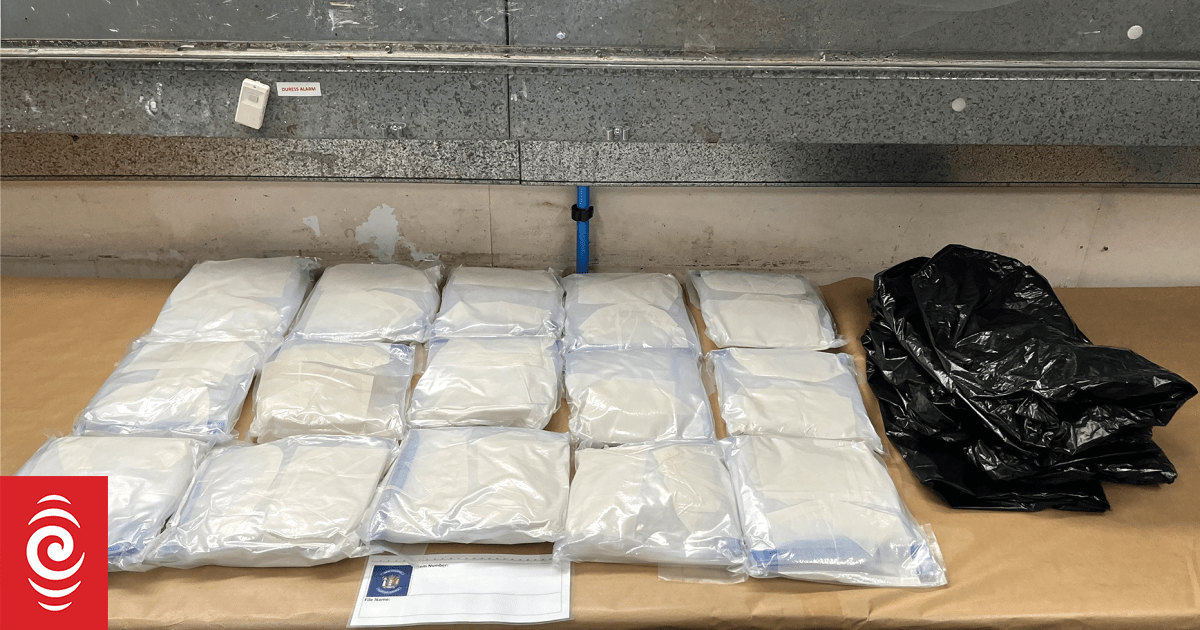
A 19-year-old Canadian national is facing serious drug importation charges following a significant interception by New Zealand Customs officers at Auckland Airport. On Sunday, authorities seized 15.17 kilograms of methamphetamine, a Class A controlled drug, which was meticulously hidden in the teen's luggage. The street value of the confiscated drugs is estimated at a staggering $4.55 million.
Pre-Arrival Screening Flags "Risk Passenger"
The arrest stemmed from routine pre-arrival screening procedures, during which the individual was identified as a "risk passenger." Upon his arrival on a flight from Vancouver, Customs officials promptly took him aside for questioning and a comprehensive baggage inspection. It was during this thorough search that officers discovered fifteen vacuum-sealed packages containing a crystal-like substance, later confirmed to be methamphetamine. These packages were cleverly concealed among his personal clothing inside his suitcase.
Court Appearance and Customs' Vigilance
The accused appeared before the Manukau District Court on Monday morning, where he was formally charged with importing a Class A controlled drug.
Ben Wells, the acting Customs Manager for Auckland Airport, underscored the efficacy of their robust systems designed to apprehend drug couriers. "Customs employs a variety of tools, including intelligence gathering, sophisticated technology, and data-driven passenger targeting, to identify high-risk individuals like this passenger," Wells stated. He further noted that the subsequent questioning and an on-site search by front-line officers unequivocally indicated that something was amiss.
As New Zealand heads into the busy summer travel season, expecting increased passenger volumes, Wells emphasized the critical importance of every interception. He explained that each successful bust not only removes illicit substances from circulation but also significantly enhances their intelligence and targeting mechanisms. This continuous feedback loop helps ensure that only legitimate travellers can pass through the borders, thereby effectively closing off avenues for criminal behaviour.