
Japan's Oyster Farmers Face Devastation as Warming Seas Trigger Mass Deaths
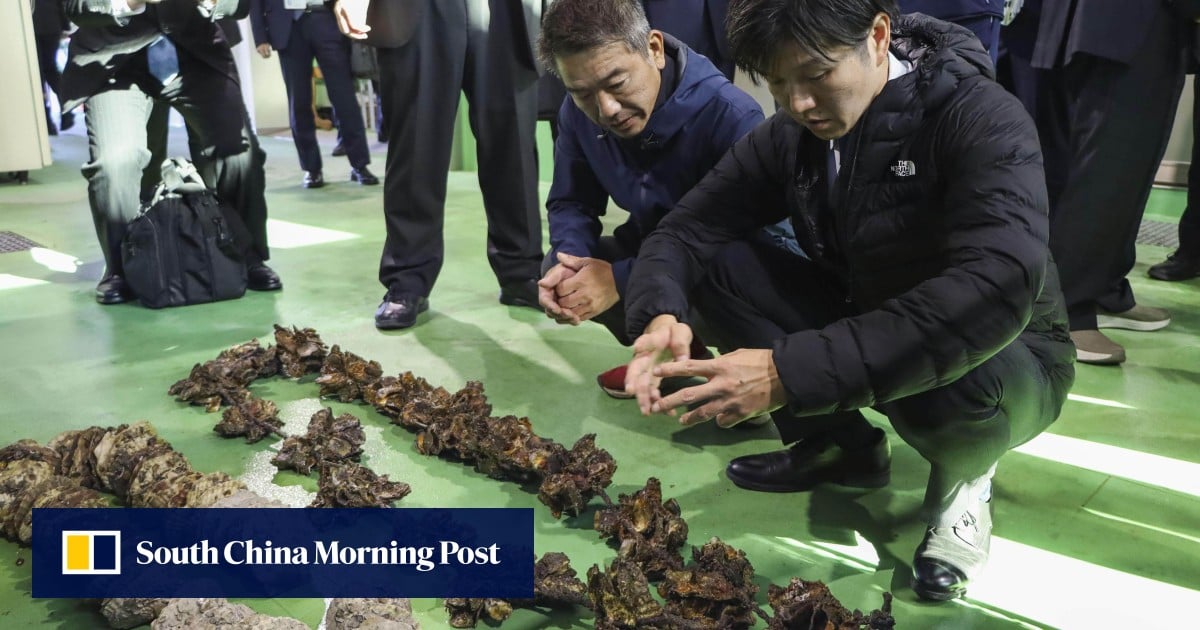
Japan's revered oyster farming industry, a cornerstone of its culinary heritage and a vital economic sector, is currently grappling with an unprecedented crisis. Across the crucial Seto Inland Sea region in western Japan, the nation's primary oyster production hub, an alarming 90 percent of cultivated oysters are reportedly perishing en masse. This devastating phenomenon, largely attributed to escalating sea temperatures, casts a grim shadow over the livelihoods of countless farmers and the future of a cherished delicacy.
An Unprecedented Catastrophe for Veteran Farmers
Veteran oyster farmer Tatsuya Morio, with over two decades of experience in the industry, expressed his profound shock and despair. He stated unequivocally that he has "never experienced this in [his] whole career." This sentiment reflects the widespread anxiety gripping the community as they witness their precious harvests vanish, threatening generations of traditional farming practices.
Evidence Points to Drastically Rising Sea Temperatures
Officials in the Hiroshima area, a key part of the Seto Inland Sea, have pinpointed significantly elevated water temperatures as the primary suspect behind the widespread oyster deaths. Data from the prefecture provides stark evidence: average coastal water temperatures in Hiroshima from July to October – a critical growth period for oysters – soared by 1.5 to 1.9 degrees Celsius compared to the 1991-2020 average. This sharp increase, potentially compounded by other environmental stressors like altered salinity levels, is creating a lethal environment for the delicate molluscs.
Local Impact of a Global Climate Crisis
The severe crisis unfolding in Japan's oyster farms serves as a potent local manifestation of a broader global threat: climate change. Rising sea temperatures worldwide are fundamentally altering marine ecosystems, threatening biodiversity and jeopardizing industries reliant on stable aquatic conditions. For Japan's oyster farmers, this translates not just into immediate economic hardship but a profound, existential challenge to a tradition passed down through generations. The industry, which supplies more than three-quarters of the country’s farmed oysters, now faces an uncertain and precarious future unless effective, sustainable solutions can be implemented to mitigate the escalating impacts of a rapidly warming ocean.